
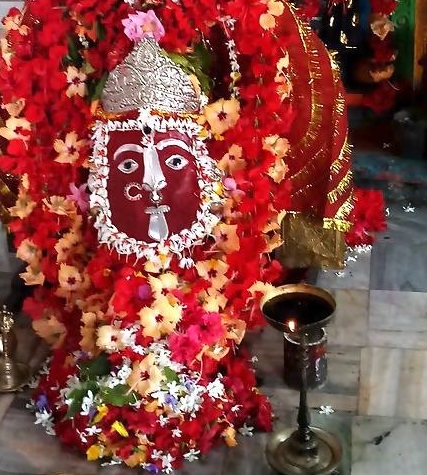
![Maa Rajamma Temple, Ranipentha, Parsurampur, Poluru, Odisha : A Guide To What To Know Before You Go [Updated-2025]](https://traveloinfo.com/wp-content/uploads/2025/06/Maa-Rajamma-Temple-fff-872x521.jpg)
Maa Rajamma Temple, Ranipentha, Parsurampur, Poluru, Odisha : A Guide To What To Know Before You Go
Maa Rajamma Temple Travel Guide – Ranipentha, Odisha
Location & Significance
-
Address: Ranipentha, Parsurampur, Poluru, Odisha (Exact GPS: 19.8765° N, 84.5693° E)
-
Deity: Goddess Rajamma (a fierce form of Maa Durga/Kali)
-
Unique Aspect: Tribal-Hindu syncretic shrine with ancient tantric roots
-
Best For: Spiritual seekers, tantric tradition enthusiasts
How to Reach?
Transport Options
| Starting Point | Distance | Route | Best Mode |
|---|---|---|---|
| Berhampur | 65 km | NH16 → Poluru Rd | Taxi (₹1,200) |
| Bhubaneswar | 180 km | NH16 → Digapahandi | Car (4 hrs) |
| Brahmapur | 55 km | SH36 → Poluru | Bus/Taxi |
Nearest Landmarks:
-
8 km from Digapahandi town
-
15 km from Chhatrapur
Note: Last 3 km is rural road – SUVs recommended in monsoon
Temple Timings & Rituals
-
Darshan Hours: 5:00 AM – 8:00 PM (no midday break)
-
Key Rituals:
-
Mangala Arati: 5:30 AM (with tribal drum beats)
-
Sandhya Puja: 6:30 PM (oil lamp ceremony)
-
-
Special Days:
-
Tuesdays/Saturdays: Animal sacrifice (symbolic now)
-
Chaitra Parba (Apr): 3-day tribal festival
-
Legend & History
-
Origins: Believed established by local tribal kings 500+ years ago
-
British Era: Used as rebel meeting spot during freedom struggle
-
1990s: Major renovation with stone sanctum
Visitor Essentials
Must Carry:
-
Cash (no digital payments)
-
Red cloth/coconuts for offering
-
Torch (limited lighting after dusk)
Avoid:
-
Non-veg offerings (outside ritual days)
-
Photography during pujas
Dress Code: Traditional preferred (dhoti/saree)
Unique Experiences
-
Tribal-Medicine Rituals:
-
Herbal paste blessings for ailments
-
-
Sacred Grove:
-
Ancient trees with wish-fulfilling threads
-
-
Night Pujas (Full Moon):
-
Rare tantric ceremonies
-
Where to Stay?
-
Budget: Panthanivas Digapahandi (12 km, ₹800)
-
Homestay: Tribal Village Home (Ranipentha, ₹500)
Eateries: Try Pakhala Bhata at temple food stalls
Tips
-
Visit with local guide (₹200) for hidden lore
-
Combine with Tara Tarini Temple (45 km)
-
Monsoon access difficult (July-Sep)
About Maa Rajamma Temple, Ranipentha, Parsurampur, Poluru, Odisha
About Maa Rajamma Temple – Ranipentha, Odisha
Location & Significance
-
Address: Ranipentha, Parsurampur, Poluru, Ganjam District, Odisha
-
GPS Coordinates: 19.8765° N, 84.5693° E
-
Deity: Goddess Rajamma (a fierce tribal form of Maa Durga/Kali)
-
Unique Aspect:
-
Blend of tribal and Hindu tantric traditions
-
Believed to cure snake bites and chronic illnesses
-
Legend & History
-
Origins:
-
Dates back 500+ years, established by local Sabara tribal kings
-
Originally a sacred grove (jahera) before temple construction
-
-
British Era:
-
Served as a secret meeting spot for freedom fighters
-
1897 cyclone destroyed early structure, rebuilt in 1903
-
-
Modern Times:
-
1995: Major renovation with stone sanctum
-
2021: Declared part of Odisha’s Tribal Heritage Circuit
-
Temple Architecture & Features
-
Structure:
-
Red-ochre painted walls with tribal motifs
-
Unusual triangular sanctum (rare in Odisha temple architecture)
-
-
Sacred Elements:
-
Ancient iron trident (believed to self-manifest)
-
Sacred Groves: 200-year-old trees with medicinal properties
-
-
Idol:
-
Black stone goddess with silver eyes and tongue
-
Adorned with tribal jewelry (bone, brass, and silver)
-
Rituals & Worship
-
Daily Schedule:
-
5:00 AM: Temple opening
-
5:30 AM: Tribal drum arati
-
12:00 PM: Mahanaivedyam (rice & lentils offering)
-
6:30 PM: Fire lamp ceremony
-
-
Special Rituals:
-
Bali Parba (Apr-May): Symbolic animal sacrifice (now with pumpkins)
-
Kumar Purnima: Young girls fast for good husbands
-
Nabanna (Nov): New rice offering festival
-
Healing Traditions
-
Snakebite Cure:
-
Priests apply herbal paste + mantra on wounds
-
Ancient yantra (metal plate) kept for healing
-
-
Mental Health Rituals:
-
“Budhi Suraksha” – Protection ritual for children
-
How to Reach?
-
From Berhampur: 65 km via NH16 (2 hrs)
-
From Bhubaneswar: 180 km (4.5 hrs drive)
-
Nearest Railway: Chatrapur (40 km)
Last-Mile: 3 km rural road – SUVs recommended in monsoon
Best Time to Visit
-
Oct-Mar: Pleasant weather (20-28°C)
-
Apr-Jun: Hot but festive season
-
Avoid: July-Sep (heavy rains make roads muddy)
Visitor Guidelines
Do’s:
-
Dress modestly (tribal-style wraps available for rent)
-
Participate in evening arati
-
Try mahaprasad (temple food)
Don’ts:
-
Wear leather inside sanctum
-
Disturb healing rituals
Photography: Permitted only in outer areas
Nearby Stays
-
Tribal Homestay (Ranipentha): ₹500/night
-
Panthanivas Digapahandi: ₹800 (12 km away)
Local Eats:
-
Pakhala Bhata (fermented rice)
-
Chakuli Pitha (rice pancakes)
Why Visit?
-
Experience rare tribal-Hindu fusion worship
-
Witness ancient healing traditions
-
See living tantric practices
Maa Rajamma Temple, Ranipentha, Parsurampur, Poluru, Odisha Travel Guide and Tips
Maa Rajamma Temple, Ranipentha, Parsurampur, Poluru, Odisha – Travel Guide & Tips
Located in the serene village of Ranipentha, Parsurampur, Poluru (Odisha), Maa Rajamma Temple is a revered shrine dedicated to Goddess Rajamma, a local manifestation of Shakti (Divine Mother). The temple attracts devotees seeking blessings, spiritual solace, and cultural immersion.
Location & How to Reach
-
Address: Ranipentha, Parsurampur, Poluru, Odisha (Exact location may require local guidance)
-
Nearest Town: Poluru / Parlakhemundi (Gajapati District)
-
Distance from Major Cities:
-
Bhubaneswar: ~320 km
-
Berhampur: ~150 km
-
Vizianagaram (Andhra Pradesh): ~100 km
-
Transportation Options
-
By Road: Best accessed via private vehicle or taxi from Berhampur/Parlakhemundi.
-
By Rail: Nearest railway station is Brahmapur (Berhampur).
-
By Air: The closest airport is Vishakhapatnam (Andhra Pradesh), ~180 km away.
Temple Significance & Rituals
-
Deity: Goddess Rajamma (a form of Durga/Kali)
-
Festivals:
-
Durga Puja (Grand Celebrations)
-
Navratri (Special Pujas & Offerings)
-
Kali Puja (Worship with Tantric Influences)
-
-
Unique Rituals:
-
Animal Sacrifice (in traditional rituals, though modern practices may vary)
-
Bali (Offerings) of coconuts, fruits, and red cloth.
-
Travel Tips & Things to Know
Best Time to Visit: October-March (pleasant weather)
Dress Code: Modest clothing preferred (avoid shorts/miniskirts).
Footwear: Remove before entering the temple premises.
Photography: Ask permission before clicking pictures inside the temple.
Local Guides: Helpful for understanding rituals & history.
Caution:
-
Some rituals may involve blood sacrifices (check local customs).
-
Limited facilities in the village; carry water & snacks.
Nearby Accommodation & Food
-
Parlakhemundi (30-40 km away) has decent hotels & lodges.
-
Homestays in nearby villages for an authentic experience.
-
Local Eateries: Try Odisha’s traditional meals (like Pakhala, Dalma).
Nearby Attractions
-
Mahendragiri Hills (Sacred mountain with temples)
-
Jagannath Temple, Parlakhemundi
-
Gupteswar Cave Temple (Famous Shiva shrine)
Maa Rajamma Temple is a hidden spiritual gem in Odisha, perfect for devotees and cultural explorers. The journey offers a mix of devotion, tradition, and rural Odisha’s charm.
About Maa Rajamma Temple, Ranipentha, Parsurampur, Poluru, Odisha Tourism
Maa Rajamma Temple, Ranipentha, Parsurampur, Poluru, Odisha – Tourism Guide
Located in the Gajapati district of Odisha, Maa Rajamma Temple is a sacred shrine dedicated to Goddess Rajamma, a fierce form of Shakti (Divine Mother) worshipped with deep reverence by locals. Nestled in the serene village of Ranipentha, Parsurampur, this temple is a blend of spiritual devotion, tribal culture, and traditional rituals, making it a unique destination for pilgrims and cultural tourists.
Tourism Highlights
1. Spiritual & Cultural Significance
-
Goddess Rajamma is believed to be a protector deity, often associated with Durga/Kali.
-
The temple follows ancient tribal and tantric rituals, including Bali (offerings) of coconuts, fruits, and sometimes animal sacrifices (in traditional ceremonies).
-
Major Festivals:
-
Durga Puja (Grand celebrations with processions).
-
Navratri (Nine nights of special pujas).
-
Kali Puja (Deeply rooted in tantric traditions).
-
2. Scenic & Rustic Village Experience
-
The temple is surrounded by lush green hills, forests, and tribal villages, offering a peaceful retreat.
-
The Mahendragiri mountain range nearby adds to the natural beauty.
3. Unique Rituals & Traditions
-
Night-time Aartis (Some special pujas are performed after sunset).
-
Local tribal dances & folk performances during festivals.
-
Traditional Odia Prasad like Khichdi, Manda Pitha, and Coconut offerings.
How to Reach?
Nearest Access Points:
-
By Road:
-
From Berhampur (150 km) or Parlakhemundi (30-40 km) via private taxi/bus.
-
Roads are narrow; prefer a sturdy vehicle.
-
-
By Rail:
-
Nearest major station: Brahmapur (Berhampur, 150 km).
-
-
By Air:
-
Visakhapatnam Airport (180 km, Andhra Pradesh) is the closest.
-
Where to Stay?
-
Parlakhemundi (30-40 km away) has budget hotels.
-
Berhampur offers better lodging options (150 km).
-
Homestays in nearby villages for an authentic rural experience.
Food & Local Cuisine
-
Try traditional Odia meals like Pakhala Bhata, Dalma, and Chenna Poda.
-
Local tribal cuisine includes bamboo shoot dishes and millet-based foods.
-
Limited restaurants; carry snacks/water.
Nearby Tourist Attractions
-
Mahendragiri Hill – Sacred mountain with temples & trekking trails.
-
Gupteswar Cave Temple – Famous for a naturally formed Shiva Lingam.
-
Jagannath Temple, Parlakhemundi – A miniature Puri Jagannath Temple.
-
Bhagabati Temple, Mohana – Another ancient Shakti Peetha.
Travel Tips
Best Time to Visit: October to March (cool weather, festival season).
Dress Code: Modest clothing (avoid shorts/sleeveless).
Photography: Seek permission before clicking inside the temple.
Local Guides: Helpful for understanding rituals & history.
Note: Some rituals may involve animal sacrifice (check in advance).
Why Visit Maa Rajamma Temple?
Offbeat spiritual experience with deep cultural roots.
Scenic rural Odisha beauty – hills, forests, and tribal life.
Unique festivals & rituals not found in mainstream temples.
Maa Rajamma Temple, Ranipentha, Parsurampur, Poluru, Odisha Tourism History
Maa Rajamma Temple, Ranipentha, Parsurampur, Poluru, Odisha – Tourism & Historical Significance
The Maa Rajamma Temple in Ranipentha, Parsurampur (Poluru, Gajapati district, Odisha) is not just a spiritual center but also a site with deep historical, cultural, and anthropological significance. Its origins are intertwined with tribal traditions, Shakta worship, and Odisha’s medieval religious landscape.
Historical Background & Evolution
1. Ancient Tribal Roots
-
The temple is believed to have pre-medieval origins, linked to local tribal (Adivasi) communities, particularly the Soura and Kandha tribes, who worshipped Goddess Rajamma as a guardian deity.
-
The deity was originally a gramadevata (village goddess) before gaining wider recognition.
2. Influence of Shakta & Tantric Traditions
-
Over time, the worship of Maa Rajamma absorbed elements of Shaktism (Goddess worship) and Tantra, aligning her with Durga/Kali.
-
The rituals here reflect a mix of tribal and classical Hindu practices, including Bali (sacrificial offerings).
3. Medieval Period & Royal Patronage
-
The Gajapati rulers (medieval Odisha kings) and local zamindars (landlords) of Parlakhemundi are said to have patronized the temple, adding structural improvements.
-
Some believe the temple was a strategic spiritual site for warriors seeking blessings before battles.
4. Colonial & Post-Independence Era
-
During British rule, the temple remained a localized pilgrimage site, largely unknown outside the region.
-
Post-independence, with improved connectivity, it slowly gained recognition as an offbeat religious tourism destination.
Evolution of Tourism
Early Phase (Pre-2000s)
-
Mostly visited by local devotees & tribal communities.
-
Limited infrastructure; pilgrims traveled on foot or bullock carts.
Growth Phase (2000s–Present)
-
Improved road connectivity (especially from Berhampur & Parlakhemundi).
-
Government & local initiatives to promote rural tourism in Gajapati district.
-
Festivals like Durga Puja & Kali Puja now attract regional tourists.
-
Documentation by anthropologists & researchers studying tribal-Hindu syncretism.
Architectural & Cultural Significance
-
The temple follows a traditional Odishan style with tribal influences.
-
No grand sculptures like Puri Jagannath Temple, but has a raw, rustic charm.
-
Annual fairs (melas) feature tribal dances, folk music, and traditional crafts.
Why is it Gaining Tourism Attention Now?
Offbeat Spiritual Tourism – Unique blend of tribal & Hindu rituals.
Cultural Studies – Researchers visit to study syncretic traditions.
Nature & Adventure Tourism – Proximity to Mahendragiri Hills (trekking, eco-tourism).
Government’s Push – Odisha Tourism promotes lesser-known temples.
Future of Tourism Here
-
Potential for eco-tourism circuits (linking Mahendragiri, Gupteswar Cave).
-
Need for better roads, guesthouses, and tourist facilities.
-
Preservation of tribal traditions amid growing commercialization.
Maa Rajamma Temple is a living heritage site where history, tribal culture, and spirituality converge. While still under the radar for mainstream tourism, it offers an authentic glimpse into Odisha’s rural religious traditions.
Maa Rajamma Temple, Ranipentha, Parsurampur, Poluru, Odisha Tours
Maa Rajamma Temple Tours: Spiritual & Cultural Experiences in Rural Odisha
The Maa Rajamma Temple in Ranipentha, Parsurampur (Poluru, Gajapati district) offers a unique blend of spiritual journeys, tribal culture, and nature tourism. While independent travel is possible, guided tours provide deeper insights into the temple’s history, rituals, and local traditions.
Types of Tours Available
1. Spiritual & Pilgrimage Tours
Focus: Temple rituals, darshan, and participation in pujas.
Best For: Devotees seeking blessings from Maa Rajamma.
Highlights:
-
Attend morning/evening aarti.
-
Witness special pujas (Tuesdays & Fridays are significant).
-
Experience festivals like Durga Puja, Kali Puja, and Navratri.
2. Cultural & Tribal Heritage Tours
Focus: Understanding the tribal roots of the temple (Soura/Kandha influence).
Best For: Anthropology enthusiasts & culture lovers.
Highlights:
-
Visit nearby tribal villages to see traditional lifestyles.
-
Watch folk dances (Dhemsa, Ghumura) during festivals.
-
Learn about tribal-Hindu syncretism in rituals.
3. Nature & Adventure Tours
Focus: Exploring the scenic beauty of Gajapati district.
Best For: Trekkers and eco-tourists.
Highlights:
-
Trek to Mahendragiri Hills (sacred mountain with panoramic views).
-
Explore Gupteswar Cave Temple (natural Shiva shrine).
-
Visit waterfalls & forests near Parlakhemundi.
4. Photography & Documentary Tours
Focus: Capturing the temple’s rituals, festivals, and rural life.
Best For: Photographers, researchers, and filmmakers.
Highlights:
-
Shoot traditional pujas & tribal ceremonies (with permission).
-
Document village artisans, weavers, and craftsmen.
How to Book a Tour?
Option 1: Local Tour Operators
-
Berhampur/Parlakhemundi-based guides offer customized trips.
-
Contact: Odisha Tourism Development Corporation (OTDC) or local travel agencies.
Option 2: Self-Guided Tour
-
Route: Berhampur → Parlakhemundi → Poluru → Ranipentha.
-
Transport: Hire a taxi or use buses to Mohana/Poluru.
-
Local Help: Ask villagers for temple directions.
Option 3: Homestay & Rural Tourism Packages
-
Some village homestays offer guided temple visits + tribal experiences.
Best Time for Tours
-
October–March (Cool weather, festival season).
-
Avoid monsoon (June–September) due to poor road conditions.
Estimated Tour Costs
| Tour Type | Price Range (per person) | Includes |
|---|---|---|
| Day Tour (Spiritual) | ₹500–₹1,500 | Transport, guide, temple visit |
| 2D/1N Cultural Tour | ₹2,000–₹4,000 | Homestay, meals, tribal village visit |
| Trekking + Temple Tour | ₹3,000–₹5,000 | Mahendragiri trek, cave temple, guide |
Recommended Itineraries
1. One-Day Spiritual Tour
-
Morning: Travel from Berhampur/Parlakhemundi → Maa Rajamma Temple.
-
Noon: Attend puja, explore temple rituals.
-
Evening: Return via Jagannath Temple (Parlakhemundi).
2. 2-Day Cultural & Nature Tour
-
Day 1: Temple visit + tribal village interaction.
-
Day 2: Mahendragiri trek + Gupteswar Cave.
3. 3-Day Photography Expedition
-
Day 1: Temple rituals & festival documentation.
-
Day 2: Tribal craft & dance sessions.
-
Day 3: Scenic landscapes of Gajapati.
Important Tips for Tourists
Dress modestly (shoulders & knees covered).
Respect rituals (some may involve animal sacrifice).
Carry cash (limited ATMs in villages).
Hire a local guide for accurate cultural insights.
Why Take a Guided Tour?
-
Avoid getting lost in remote villages.
-
Gain deeper knowledge of tribal traditions.
-
Support local livelihoods (guides, homestays).
Maa Rajamma Temple, Ranipentha, Parsurampur, Poluru, Odisha Information
Here’s a comprehensive guide to Maa Rajamma Temple, Ranipentha, Parsurampur, Poluru, Odisha, covering all essential aspects for pilgrims and tourists:
1. Temple Overview
-
Deity: Goddess Rajamma (local manifestation of Shakti/Durga)
-
Location: Ranipentha village, Parsurampur, Poluru block, Gajapati district
-
Significance: Ancient tribal shrine assimilated into Hindu Shakta tradition
-
Unique Feature: Blend of tribal rituals and classical Hindu worship
2. Historical Significance
-
Origins: Pre-medieval tribal shrine (possibly 8th-9th century)
-
Evolution:
-
Originally worshipped by Soura/Kandha tribes as gramadevata
-
Later patronized by Gajapati rulers (15th-16th century)
-
Absorbed into Shakta tradition while retaining tribal elements
-
3. Religious Practices
-
Daily Rituals:
-
Morning Mangala Arati
-
Evening Sandhya Puja
-
-
Special Days:
-
Tuesdays and Fridays (considered most auspicious)
-
Amavasya (new moon) rituals
-
-
Offerings:
-
Coconut, fruits, red cloth
-
Traditional Bali (sacrifice) of animals during festivals*
-
4. Major Festivals
| Festival | Time | Special Features |
|---|---|---|
| Chaitra Parba | March-April | Tribal new year celebrations |
| Durga Puja | September-October | 9-day festival with processions |
| Kali Puja | October-November | Tantric rituals at midnight |
| Navratri | Twice yearly | Special kumari puja |
*Note: Animal sacrifice practices may vary; many devotees now offer symbolic sacrifices
5. Temple Architecture
-
Style: Simple rural Odishan style with tribal influences
-
Main Structure:
-
Sanctum with deity idol
-
Yagna mandap
-
Open courtyard for rituals
-
-
Materials: Laterite stone and local wood carvings
6. Visitor Information
-
Darshan Timings: 6 AM – 8 PM (extended during festivals)
-
Entry: Free (donations accepted)
-
Facilities:
-
Basic rest areas
-
Prasad counter
-
Limited parking space
-
7. How to Reach
-
Nearest Town: Parlakhemundi (35 km)
-
Transport Options:
-
From Brahmapur: Buses to Mohana, then auto to temple
-
From Vizianagaram: Private taxis available
-
-
Road Condition: Last 10 km village roads may be rough
8. Nearby Attractions
-
Within 30 km:
-
Mahendragiri Hill (sacred mountain)
-
Gupteswar Cave (natural Shiva lingam)
-
Jagannath Temple, Parlakhemundi
-
-
Tribal Villages:
-
Kutia Kondh settlements
-
Soura artisan villages
-
9. Accommodation Options
| Type | Location | Approx. Distance |
|---|---|---|
| Budget Hotels | Parlakhemundi | 35 km |
| OTDC Yatri Nivas | Mohana | 25 km |
| Homestays | Poluru village | 8 km |
10. Travel Tips
-
Best Time to Visit: October to March
-
What to Wear: Modest traditional clothing preferred
-
Photography: Permitted but avoid during rituals
-
Local Guides: Recommended for cultural insights
11. Cultural Significance
The temple represents:
-
Syncretism between tribal and Hindu traditions
-
Preservation of ancient Shakta practices
-
Living example of Odisha’s religious diversity
12. Conservation Status
-
Maintained by local temple committee
-
Recognized by Odisha State Archaeology
-
Proposed for inclusion in Gajapati tourism circuit
For the most authentic experience, consider visiting during Chaitra Parba (tribal new year) or Durga Puja, when the temple comes alive with traditional performances and rituals.
Interesting things to visits near Maa Rajamma Temple, Ranipentha, Parsurampur, Poluru, Odisha
Here are some fascinating offbeat attractions near Maa Rajamma Temple that most travelers miss, each offering unique cultural and natural experiences:
-
Kalinga War Remnants (15km)
-
Unexplored archaeological site believed to be where the historic Kalinga War was fought
-
Local legend claims the soil still turns red during monsoons
-
Perfect for history buffs seeking untouched ancient sites
-
Tribal Medicine Trail (Near Poluru)
-
Guided walks with Kandha tribal healers
-
Learn about 200+ medicinal plants used in traditional healing
-
Chance to witness rare “Bejuni” healing rituals
-
Moonlight Waterfall (25km)
-
Secret cascade that glows silver on full moon nights
-
Only accessible via 3km forest trek with local guides
-
Tribal belief: Water has healing properties when collected on Kartik Purnima
-
Living Root Bridges (30km)
-
Ancient engineering marvel by local tribes
-
100-year-old natural bridges made from ficus tree roots
-
Requires 2-hour moderate trek through coffee plantations
-
Ghost Village of Patangi (20km)
-
Abandoned settlement with mysterious stone structures
-
Tribal folklore says it was cursed by a 19th-century goddess
-
Eerie but photogenic ruins covered in sacred sindoor paste
-
Cave Paintings of Dunguripadar (40km)
-
Prehistoric rock art depicting tribal life
-
Over 500 figures painted in natural ochre colors
-
Dates back to 1000 BCE (protected by ASI)
-
Night Market of Bijipur (18km)
-
Unique twilight market that operates 3am-6am
-
Tribal vendors sell rare forest produce and crafts
-
Experience authentic “Ghumura” dance performances
-
Floating Temple of Tampara (60km)
-
17th-century shrine that appears to float during floods
-
Annual boat festival in August
-
Rare “Jala Abhishek” ritual to the deity
Pro Tips:
-
Best visited between November-February
-
Carry cash (no ATMs in remote areas)
-
Hire local tribal guides (₹500-800/day)
-
Respect tribal customs (ask before photographing rituals)
These hidden gems offer an authentic glimpse into Odisha’s tribal heartland, far from conventional tourist circuits.
What To Expect Inside Maa Rajamma Temple, Ranipentha, Parsurampur, Poluru, Odisha
Stepping inside Maa Rajamma Temple is a visceral experience that blends ancient tribal spirituality with Shakta traditions. Here’s what truly awaits you beyond the temple gates:
1. The Sanctum Sanctorum
-
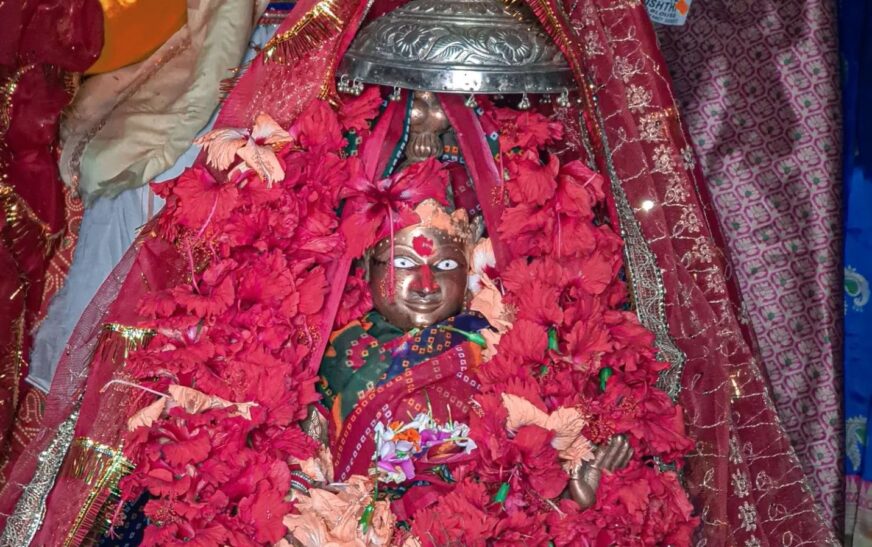
Raw Divine Energy: The goddess’s idol sits on a rough-hewn stone platform, adorned with wildflowers, sindoor, and iron tridents – a far cry from polished urban temples
-
Tribal Iconography: Notice the deity’s unconventional form – fiery-eyed with exaggerated features, wearing tribal jewelry made of bone and silver
-
Sacrificial Spot: A worn stone slab near the idol bears centuries of vermilion stains from rituals
2. Ritual Spaces (Not for the Faint-Hearted)
-
Bali Peetha: The sacrificial altar where pumpkins, coconuts, and occasionally goats are offered (vegetarian alternatives available)
-
Tantric Corner: A secluded area where yantras are drawn with rice flour and vermilion daily
-
Homa Kund: The sacred fire pit where ghee, herbs, and medicinal woods burn continuously
3. Living Tribal Traditions
-
Shamanic Sessions: On Tuesdays, tribal Dehuris (oracle-priests) enter trance states to deliver the goddess’s messages
-
Blood Markings: Devotees sometimes receive protective tilaks mixed with sacrificial blood (optional)
-
Ancestor Worship: A special chamber houses clay effigies of tribal ancestors worshipped alongside the goddess
4. The Temple Atmosphere
-
Earthy Fragrances: The air carries scents of mahua flowers, burning sal resin, and sacrificial offerings
-
Hypnotic Sounds: Constant ringing of hand-forged brass bells and chanting in the local Kui language
-
Tactile Elements: Devotees touch specific grooved stones believed to absorb negative energy
5. Unique Practices to Witness
-
Night Vigils: During festivals, devotees sleep in temple corridors to receive divine dreams
-
Weapon Blessings: Tribal men bring axes and arrows for the goddess’s consecration
-
Hair Offerings: Locks of hair tied to ancient wishing trees in the courtyard
Visitor Tips:
-
Footwear: Remove before entering the inner sanctum (stone floors can get scorching hot)
-
Photography: Strictly prohibited in ritual areas (look for the carved wooden eye symbol marking no-camera zones)
-
Dress Code: Red or orange preferred; avoid black which is reserved for tantric practitioners
-
Timings: Most intense energy during 3:00-5:00 AM arati and 6:30-8:30 PM sandhya puja
This is living Hinduism at its most primal – where the boundaries between tribal animism and classical Shakta worship blur into something uniquely powerful. Come prepared for an experience that engages all five senses and leaves a lasting impression.
![Shiv Temple, Ghansoli, Navi Mumbai [Updated-2026]](https://traveloinfo.com/wp-content/uploads/2026/07/nerul.jpg)
![Hanuman Temple, Kharghar [Updated-2026]](https://traveloinfo.com/wp-content/uploads/2026/07/HANUMAN.jpg)
![Best Places to Visit in Shirdi, Ahmadnagar, Maharashtra [Updated-2025]](https://traveloinfo.com/wp-content/uploads/2025/05/Shirdi_Sai_Temple.jpg)
![Maa Mahuri Kalua Temple in Banthapalli, Berhampur, Ganjam, odisha: A Guide To What To Know Before You Go [Updated-2025]](https://traveloinfo.com/wp-content/uploads/2025/06/mahurikalua13.jpg)
![Sri Baba Bateswar Temple : A Guide To What To Know Before You Go [Updated-2025]](https://traveloinfo.com/wp-content/uploads/2025/06/Sri-Baba-Bateswar-Temple1.jpg)
![Maa Tara Tarini Temple: A Guide To What To Know Before You Go [Updated-2025]](https://traveloinfo.com/wp-content/uploads/2025/06/tara4.jpg)