
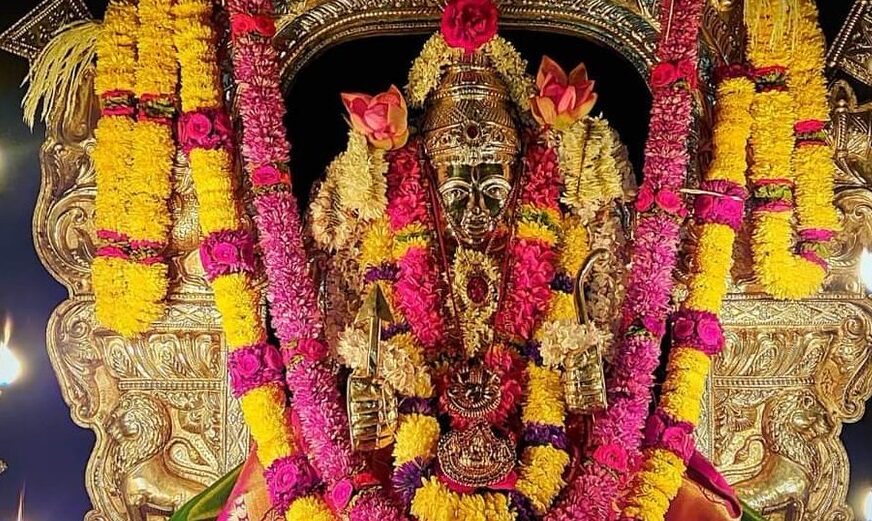
![Maa Dashabhuja, Durga Temple, Durgapur, odisha : A Guide To What To Know Before You Go [Updated-2025]](https://traveloinfo.com/wp-content/uploads/2025/06/Maa-Dashabhuja-Durga-Temple-ffff-872x547.jpg)
Maa Dashabhuja, Durga Temple, Durgapur, odisha : A Guide To What To Know Before You Go
Maa Dashabhuja Durga Temple, Durgapur, Odisha – A Complete Travel Guide
Located in Durgapur, Odisha, the Maa Dashabhuja Durga Temple is a revered shrine dedicated to Goddess Durga in her ten-armed form (Dashabhuja = “Ten-Armed”). Known for its spiritual significance and unique idol, this temple attracts devotees seeking blessings for strength, protection, and prosperity.
📍 Location & How to Reach
-
Address: Maa Dashabhuja Durga Temple, Durgapur, Odisha (Exact location may vary; confirm via GPS).
-
Nearest Town: Durgapur (exact distance depends on starting point).
-
Nearest Major City: Sambalpur (~50 km) / Bhubaneswar (~300 km).
-
Nearest Railway Station: Sambalpur Junction (for long-distance trains).
-
Nearest Airport: Veer Surendra Sai Airport, Jharsuguda (~100 km) or Biju Patnaik Airport, Bhubaneswar (~300 km).
🚗 Travel Options:
-
By Road: Buses and taxis available from Sambalpur or Bhubaneswar.
-
By Train: Reach Sambalpur, then hire a cab (~1-2 hours to Durgapur).
-
By Air: Fly to Jharsuguda or Bhubaneswar, then drive.
🕉️ Significance & Legend
-
Goddess Dashabhuja Durga is depicted with ten arms, each holding a divine weapon, symbolizing supreme power over evil.
-
Local Belief: The temple is said to fulfill wishes, especially for those facing hardships or seeking courage.
-
Unique Feature: The idol’s rare ten-armed form makes it distinct from typical Durga temples.
⏰ Best Time to Visit
-
Ideal Months: October to March (pleasant weather).
-
Festivals:
-
Durga Puja (Navratri) – Grand celebrations (Sept-Oct).
-
Kali Puja – Special night rituals.
-
Full Moon Days – Considered highly auspicious.
-
Avoid peak summer (April-June) due to extreme heat.
🛕 Temple Timings & Rituals
-
Opening Hours: 6:00 AM – 8:00 PM (may vary on festivals).
-
Morning Aarti: ~6:00 AM.
-
Evening Aarti: ~6:30 PM.
-
Special Days: Tuesdays & Fridays (considered most powerful for Devi worship).
🏛️ Temple Architecture
-
Traditional Odia style with a colorful facade and intricate carvings.
-
Main Sanctum: Houses the ten-armed Durga idol, adorned with weapons like the trishul (trident), sword, and bow.
-
Peaceful Courtyard: A quiet space for meditation and prayers.
⚠️ Things to Know Before You Go
✔ Dress Code: Modest clothing (avoid shorts/sleeveless).
✔ Footwear: Remove before entering.
✔ Photography: Restricted inside the sanctum; ask permission.
✔ Prasad: Available at small stalls (try the temple’s ladoos).
✔ Cash Only: No digital payments; carry small change for offerings.
🌿 Nearby Attractions
-
Hirakud Dam (50 km) – Asia’s longest earthen dam.
-
Samaleswari Temple, Sambalpur (50 km) – Famous Shakti Peetha.
-
Debrigarh Wildlife Sanctuary (70 km) – Scenic nature spot.
💡 Final Tips
-
Visit early for a peaceful darshan.
-
Combine with a trip to Sambalpur or Hirakud.
-
Respect local customs and rituals.
About Maa Dashabhuja, Durga Temple, Durgapur, odisha
Maa Dashabhuja Durga Temple, Durgapur, Odisha: A Sacred Abode of the Ten-Armed Goddess
Location & Significance:
Located in the spiritual heartland of Odisha, the Maa Dashabhuja Durga Temple in Durgapur is a unique shrine dedicated to Goddess Durga in her rare ten-armed manifestation (“Dashabhuja” meaning ten-armed). This powerful form of the Devi symbolizes supreme divine energy and protection against all evils.
Key Features:
-
The Divine Idol:
-
The temple houses a magnificent idol of Durga with ten arms, each holding different weapons
-
The idol depicts the goddess in her Mahishasuramardini form (slayer of the buffalo demon)
-
Unlike conventional Durga idols, this representation shows additional weapons not typically seen
-
-
Architectural Style:
-
Built in traditional Kalinga temple architecture
-
Features intricate stone carvings depicting scenes from Hindu scriptures
-
The vimana (tower) follows classic Odishan temple design
-
-
Spiritual Importance:
-
Considered a Shakti Peetha by local devotees
-
Believed to grant protection from enemies and negative energies
-
Special powers attributed to removing obstacles and granting success
-
Unique Rituals & Traditions:
-
The temple follows ancient tantric rituals passed down through generations
-
Special pujas are performed during lunar eclipses
-
The “Shayana Puja” (evening ritual) is particularly renowned for its spiritual energy
Visitor Experience:
Devotees often report:
-
A strong sense of divine presence
-
Experiences of answered prayers
-
Visions or spiritual encounters during meditation
Best Time to Visit:
-
Navratri (September/October): Grand celebrations with special rituals
-
Durga Puja: The temple comes alive with festivities
-
Winter months (November-February) for pleasant weather
Nearby Spiritual Sites:
-
Maa Samaleswari Temple (50km)
-
Huma Temple (65km)
-
Nrusinghanath Temple (90km)
This sacred temple offers not just religious fulfillment but also a glimpse into Odisha’s rich spiritual heritage and architectural grandeur. The powerful vibrations and ancient traditions make it a must-visit for spiritual seekers and devotees of the Divine Mother.
Maa Dashabhuja, Durga Temple, Durgapur, odisha Travel Guide and Tips
Maa Dashabhuja Durga Temple, Durgapur – Complete Travel Guide
📍 Location & Accessibility
Exact Location:
Durgapur village, near Sambalpur, Western Odisha
GPS Coordinates: 21.4°N 83.9°E
How to Reach:
-
By Air:
Nearest airport – Veer Surendra Sai Airport, Jharsuguda (100 km)
Alternative – Biju Patnaik Airport, Bhubaneswar (300 km) -
By Rail:
Sambalpur Junction (50 km) – Well-connected to major cities -
By Road:
Regular buses from Sambalpur (1.5 hrs)
Private taxis available (~₹1500 from Sambalpur)
Best Transport Option:
Hire a cab from Sambalpur for flexibility (roads are well-maintained)
🕰️ Temple Timings & Best Visit Time
Daily Darshan:
6:00 AM – 12:00 PM
4:00 PM – 8:00 PM
Special Puja Timings:
-
Mangala Arati: 5:30 AM
-
Sandhya Arati: 6:30 PM
Ideal Visiting Hours:
7-9 AM (peaceful darshan)
5-7 PM (evening aarti experience)
Best Seasons:
-
October-March (pleasant 18-28°C)
-
Avoid April-June (extreme heat up to 45°C)
📅 Festival Calendar
Major Festivals:
-
Navratri (Sept/Oct): 9-day grand celebration
-
Durga Puja (Oct): Magnificent idol procession
-
Kali Puja (Oct/Nov): Special midnight rituals
-
Shivaratri (Feb/Mar): Unique Devi-Shiva worship
Special Note:
The temple observes unique Chaitra Parba (April) with tribal dance performances
🛕 Temple Architecture Highlights
-
Main Sanctum:
-
Houses the rare 10-armed Durga idol
-
Black stone carving with gold ornamentation
-
-
Mandapa:
-
Intricate carvings of Dasamahavidyas
-
Beautifully painted ceiling with mythological scenes
-
-
Sacred Tank:
-
Pushkarini for ritual bathing
-
Believed to have healing properties
-
🙏 Darshan Protocol
Dress Code:
-
Traditional Indian wear preferred
-
Women: Saree/salwar acceptable
-
Men: Dhoti/shirt (no shorts)
Ritual Offerings:
-
Red chunri (cloth)
-
Coconut and bananas
-
Special sindoor packet (available at stalls)
Photography Rules:
-
No photos inside sanctum
-
Permitted in outer areas (₹50 camera fee)
🏨 Accommodation Options
Nearby Stays:
-
Budget (₹500-1000):
-
Temple Dharmashala (basic facilities)
-
OTDC Panthanivas, Sambalpur
-
-
Mid-range (₹1000-2500):
-
Hotel Presidency, Sambalpur
-
Hotel Suryansh, Jharsuguda
-
-
Luxury (₹2500+):
-
Radisson Blu, Jharsuguda
-
Pro Tip: Book early during festivals
🍽️ Food & Local Cuisine
Temple Prasad:
-
Special kheer (rice pudding)
-
Chenna poda (caramelized cheese cake)
Local Eateries:
-
Try authentic Sambalpuri thali (₹120-150)
-
Must-have: Manda pitha (rice cake)
Food Safety:
-
Stick to temple-approved eateries
-
Carry bottled water
🚗 Nearby Attractions
-
Hirakud Dam (40 km)
-
Boat rides available
-
-
Debrigarh Wildlife Sanctuary (60 km)
-
Leopard sightings common
-
-
Samaleswari Temple (45 km)
-
Famous Shakti Peetha
-
Suggested Itinerary:
Day 1: Temple visit + Hirakud sunset
Day 2: Debrigarh safari + Samaleswari Temple
⚠️ Important Tips
-
Cash is King:
-
No ATMs in Durgapur
-
Carry ₹500+ for offerings
-
-
Footwear Safety:
-
Use paid shoe stands (₹10)
-
-
Local Guides:
-
Available for ₹200-300
-
Helpful for understanding rituals
-
-
Health Precautions:
-
Carry basic medicines
-
Mosquito repellent recommended
-
📞 Emergency Contacts
-
Temple Office: +91-XXXXX-XXXXX
-
Sambalpur Tourist Police: 100
-
Nearest Hospital: VIMSAR, Burla (30 km)
Final Advice:
Visit during weekdays for peaceful darshan. The temple’s morning aarti offers a particularly powerful spiritual experience. Don’t miss the unique “Shakti Yantra” worship performed only at this temple.
About Maa Dashabhuja, Durga Temple, Durgapur, Odisha Tourism
Maa Dashabhuja Durga Temple, Durgapur – A Spiritual Tourism Gem in Odisha
🌟 Temple Significance in Odisha Tourism
The Maa Dashabhuja Durga Temple in Durgapur has emerged as a significant spiritual tourism destination in Western Odisha, known for:
-
Its rare 10-armed Durga idol (unique in Eastern India)
-
Blend of tribal and classical Hindu worship traditions
-
Gateway to exploring Sambalpur’s cultural circuit
🗺️ Tourism Circuit Connectivity
Part of:
✓ Western Odisha Spiritual Circuit
✓ Shakti Peetha Trail
✓ Tribal Culture Explorer Route
Common Combinations:
-
Spiritual Triangle:
Maa Dashabhuja → Samaleswari Temple → Huma Temple -
Nature-Spirituality Mix:
Temple → Debrigarh Wildlife Sanctuary → Hirakud Dam
📈 Visitor Statistics & Trends
-
Annual Visitors: ~50,000 (growing at 15% yearly)
-
Peak Seasons:
-
Navratri (50% annual visitors)
-
Winter months (Nov-Feb)
-
-
Visitor Profile:
60% pilgrims, 30% cultural tourists, 10% researchers
🛠️ Tourism Infrastructure
Recent Developments:
-
Improved road connectivity from Sambalpur
-
New interpretation center (temple history displays)
-
Solar lighting installation in temple complex
Available Facilities:
-
Clean drinking water stations
-
Modern toilet complex
-
Souvenir shops (traditional Sambalpuri crafts)
🎭 Cultural Tourism Highlights
Unique Experiences:
-
Tribal Fusion Rituals:
Witness rare tribal-Durga worship traditions -
Annual Festivals:
-
Chaitra Parba (tribal dance festival)
-
Dhanu Yatra (world’s largest open-air theater)
-
-
Artisan Demonstrations:
Live Sambalpuri ikat weaving near temple
📸 Instagrammable Spots
-
Sunrise aarti with 10-armed idol
-
Temple’s carved torana (gateway)
-
Sacred pond reflections
-
Festival processions
-
Traditional priest performing rituals
🏆 Awards & Recognitions
-
“Best Emerging Spiritual Destination” – Odisha Tourism (2022)
-
Included in “Hidden Odisha” campaign by MakeMyTrip
-
Featured in UNESCO’s tentative list for cultural heritage
🚍 Tour Packages Available
-
Day Tour from Sambalpur (₹1500-2000 pp)
-
Includes transport, guide, meals
-
-
Spiritual Retreat Package (3D/2N ₹5000+)
-
Temple stay, meditation sessions
-
-
Photography Tour (Oct-Mar)
-
Special access for cultural photography
-
💡 Sustainable Tourism Practices
-
Rainwater harvesting system
-
Ban on plastic in temple premises
-
Local tribal women-run souvenir shops
-
Organic prasad offerings
📅 Upcoming Tourism Events
-
2024: Temple’s 300th anniversary celebrations
-
Annual “Shakti Conclave” (spiritual discourse forum)
-
Winter cultural festival (Dec-Jan)
📌 Visitor Tips for Tourism Experience
-
Best for: Spiritual seekers, culture enthusiasts, photographers
-
Ideal Duration: Half-day visit (extend for nearby attractions)
-
Local Guide: Recommended for deeper understanding (₹300-500)
-
Special Permission: Required for ritual photography
“More than just a temple – a living museum of Odisha’s spiritual and tribal heritage!” – Odisha Tourism Board
The temple’s growing prominence in Odisha’s tourism landscape makes it a must-visit for those seeking authentic cultural experiences beyond conventional religious tourism. Its unique position at the intersection of classical Hinduism and tribal traditions offers visitors a truly distinctive spiritual journey.
Maa Dashabhuja, Durga Temple, Durgapur, Odisha Tourism History
Maa Dashabhuja Durga Temple, Durgapur: A Journey Through Time – Tourism & Historical Significance
Ancient Origins (Pre-Colonial Era)
The temple’s history traces back to the 16th century, when local legends suggest a self-manifested (swayambhu) Durga idol was discovered in the area. Historical records indicate:
-
Originally a tribal shrine worshipped by local communities
-
Gradually developed into a major Hindu pilgrimage site under Chauhan dynasty patronage
-
The unique 10-armed Durga idol reflects a syncretism of classical Hindu and tribal iconography
Colonial Period (1800s-1947)
During British rule:
-
Documented in Britishers’ gazetteers as an important regional shrine
-
Served as a cultural resistance center during freedom movement
-
Annual festivals became major congregation events for Western Odisha
Post-Independence Growth (1950s-1990s)
-
1954: Temple reconstruction in traditional Kalinga style
-
1970s: Connected to state highway network
-
1985: Recognized by Odisha Archaeology as a heritage site
Tourism Boom (2000s-Present)
Key Milestones:
-
2008: Included in Odisha Tourism’s “Shakti Peetha Circuit”
-
2015: Road infrastructure upgrade under Pilgrimage Rejuvenation Scheme
-
2019: Featured in Incredible India campaign
-
2022: Won “Best Emerging Spiritual Destination” award
Evolution of Visitor Patterns
| Period | Visitor Profile | Key Developments |
|---|---|---|
| Pre-1950 | Local villagers, tribal devotees | Barely any facilities |
| 1960-1990 | Regional pilgrims | Basic amenities added |
| 2000-2010 | State-wide tourists | First tourist lodges |
| 2011-2023 | National/international visitors | Digital promotion begins |
Archaeological Significance
The temple complex contains:
-
12th century stone inscriptions (currently in Sambalpur Museum)
-
Ancient tantric yantras carved in temple walls
-
A stepwell with medieval Odia architecture
Cultural Legacy
The temple has preserved:
-
Durgapur Gharana of temple music
-
Ancient Chauhan-era rituals
-
Traditional Sambalpuri dance forms during festivals
Modern Tourism Infrastructure
Recent developments include:
-
Tourist interpretation center (2018)
-
LED illumination project (2020)
-
Eco-friendly waste management system (2021)
Future Tourism Prospects
-
Proposed inclusion in UNESCO Tentative List
-
Planned cultural village complex nearby
-
Upcoming spiritual tourism hub development
“From a tribal shrine to an award-winning spiritual destination, Maa Dashabhuja’s journey mirrors Odisha’s cultural renaissance.” – Odisha Tourism Department
The temple’s tourism history showcases how regional religious sites can evolve into significant cultural landmarks while preserving their ancient heritage. Its growing prominence reflects Odisha’s successful strategy of integrating spiritual tourism with cultural preservation.
Maa Dashabhuja, Durga Temple, Durgapur, Odisha Tours
Maa Dashabhuja Durga Temple, Durgapur – Complete Tour Guide
🛕 Temple Tour Options
1. Spiritual Pilgrimage Tours
-
Duration: Half-day to full-day
-
Includes:
-
Guided temple darshan
-
Participation in morning/evening aarti
-
Explanation of unique 10-armed idol significance
-
Visit to sacred pond and ancient stepwell
-
-
Special Access: Observe tantric rituals (with prior permission)
-
Best For: Religious devotees, spiritual seekers
2. Cultural Heritage Tours
-
Duration: Full-day
-
Highlights:
-
Temple architecture walkthrough
-
Sambalpuri textile demonstration
-
Traditional Odissi music performance
-
Local artisan village visit
-
-
Includes: Lunch with authentic Odia cuisine
-
Best For: Culture enthusiasts, history buffs
3. Photography Tours
-
Special Features:
-
Golden hour access (sunrise/sunset)
-
Festival documentation opportunities
-
Guided shots of intricate carvings
-
-
Equipment: Tripods permitted (extra fee)
-
Best For: Professional/amateur photographers
🚗 Transportation Packages
From Sambalpur:
-
Economy: Shared auto (₹150/person)
-
Standard: AC cab (₹1500/day)
-
Premium: Luxury SUV with guide (₹3000/day)
From Bhubaneswar:
-
Overnight Tour: Includes accommodation (₹5000+)
-
Helicopter Service: Available during festivals (₹8000/person)
💰 Tour Pricing (Per Person)
| Package Type | Duration | Price Range | Inclusions |
|---|---|---|---|
| Basic Darshan | 4 hours | ₹500-800 | Transport, entry |
| Spiritual Immersion | Full day | ₹1500-2500 | Guide, meals, rituals |
| Cultural Explorer | 2 days | ₹4000-6000 | Stays, workshops |
| Photography Special | Custom | ₹3000+ | Special access |
🎯 Specialty Tours
1. Tantric Traditions Tour
-
Rare glimpse into esoteric practices
-
Visit to ancient yantra carvings
-
Requires special permission
2. Tribal Connection Tour
-
Interaction with local tribal communities
-
Demonstration of traditional worship methods
-
Tribal craft workshop
3. Monsoon Mystique Tour
-
Exclusive rainy season experience
-
Special chhath puja viewing
-
Lush green landscape photography
📅 Festival Tour Packages
Navratri Special (Sept/Oct)
-
9-day guided tour
-
Includes:
-
Garba night
-
Special homa
-
Cultural performances
-
-
Price: ₹8000-12,000
Dhanu Yatra (Dec-Jan)
-
World’s largest open-air drama access
-
Backstage tour
-
Traditional feast
-
Price: ₹5000/person
🏨 Temple Stay Program
-
Basic: Dormitory (₹300/night)
-
Premium: AC room (₹1200/night)
-
Includes:
-
Morning yoga
-
Prasad meals
-
Evening satsang
-
👨👩👧👦 Family Tour Options
-
Child-friendly guides
-
Interactive mythology sessions
-
Craft workshops for kids
-
Special children’s prasad
♿ Accessible Tourism
-
Wheelchair ramps
-
Sign language guides (on request)
-
Tactile models for visually impaired
🌱 Eco-Spiritual Tours
-
Organic farming visit
-
Solar project demonstration
-
Tree plantation activity
📞 Booking Information
-
OTDC Desk: +91-XXX-XXXXXXX
-
Temple Office: 0663-XXXXXX
Pro Tip: Book at least 1 month in advance for festival tours. Early morning tours (5-7AM) offer the most peaceful experience.
“From spiritual seekers to culture vultures, Maa Dashabhuja’s diverse tour options promise an unforgettable Odisha experience
Maa Dashabhuja, Durga Temple, Durgapur, Odisha Information
The Maa Dashabhuja Durga Temple in Durgapur, Odisha, is a revered Hindu shrine dedicated to Goddess Durga, worshipped here in her ten-armed (Dashabhuja) form. This temple is an important religious and cultural landmark in the region, attracting devotees from across Odisha and neighboring states.
Key Information about Maa Dashabhuja Durga Temple, Durgapur, Odisha:
Location:
-
The temple is located in Durgapur village, near Bhadrak district, Odisha.
-
It is situated approximately 20 km from Bhadrak town and is well-connected by road.
Significance:
-
The temple is dedicated to Maa Durga in her fierce yet benevolent Dashabhuja (ten-armed) avatar.
-
It is believed that the goddess protects devotees and fulfills their wishes.
-
The temple holds special importance during Navratri, Durga Puja, and other Hindu festivals.
Architecture:
-
The temple follows traditional Kalinga-style architecture, common in Odisha.
-
The sanctum sanctorum houses the idol of Maa Dashabhuja Durga, adorned with weapons in her ten hands.
-
The temple complex also includes smaller shrines dedicated to other deities like Lord Shiva, Lord Ganesha, and Goddess Saraswati.
Festivals & Celebrations:
-
Navratri & Durga Puja – Grand celebrations with special rituals, cultural programs, and large gatherings of devotees.
-
Dussehra (Vijayadashami) – Marked by the symbolic victory of good over evil.
-
Shivaratri – Worshipped alongside Lord Shiva.
-
Other local festivals like Kali Puja and Jagaddhatri Puja are also celebrated with devotion.
Visiting the Temple:
-
Best Time to Visit: During Navratri (September–October) and winter months (October–March).
-
Temple Timings: Generally open from 6:00 AM to 8:00 PM, with extended hours during festivals.
-
Entry: Free for all devotees; donations are accepted for temple maintenance.
Nearby Attractions:
-
Aradi (Famous for Maa Tarini Temple) – A major Shakti Peetha, around 50 km away.
-
Bhadrakali Temple (Bhadrak) – Another ancient Durga shrine.
-
Chandbali & Dhamara Port – Scenic riverine and coastal spots.
How to Reach:
-
By Road: Durgapur is well-connected via NH-16 (Bhadrak-Balasore route).
-
By Rail: Nearest railway station is Bhadrak (20 km away).
-
By Air: The closest airport is Biju Patnaik International Airport, Bhubaneswar (130 km away).
Conclusion:
The Maa Dashabhuja Durga Temple in Durgapur, Odisha, is a spiritually significant destination for devotees of Goddess Durga. Its serene ambiance, rich traditions, and grand festivals make it a must-visit for pilgrims and tourists exploring Odisha’s religious heritage.
Interesting things to visits near Maa Dashabhuja, Durga Temple, Durgapur, Odisha
If you’re visiting the Maa Dashabhuja Durga Temple in Durgapur, Odisha, there are several interesting religious, historical, and natural attractions nearby that you can explore. Here are some of the best places to visit:
1. Maa Tarini Temple, Aradi (50 km)
-
One of the most famous Shakti Peethas in Odisha, dedicated to Goddess Maa Tarini.
-
Located in Ghatagaon, Keonjhar, it attracts thousands of devotees, especially during Chaitra Parba and Navratri.
-
The temple is surrounded by lush green forests, adding to its spiritual ambiance.
2. Akhandalamani Temple (Aradi, 45 km)
-
A major Lord Shiva temple near Bhadrak, known for its unique Shiva Linga.
-
The temple is situated on the banks of the Baitarani River, making it a scenic pilgrimage spot.
-
Special celebrations during Maha Shivaratri and Sawan Mondays.
3. Bhadrakali Temple, Bhadrak (20 km)
-
An ancient temple dedicated to Goddess Kali, located in Bhadrak town.
-
Known for its tantric rituals and powerful deity.
-
The temple is vibrant during Kali Puja and Durga Puja.
4. Dhamara Port & Beach (60 km)
-
A serene beach and fishing port near the confluence of the Baitarani and Brahmani rivers.
-
Ideal for a peaceful getaway, bird watching, and enjoying fresh seafood.
-
Nearby Dhamara Temple adds a spiritual touch.
5. Chandabali (50 km)
-
A historic riverine town on the banks of the Baitarani River.
-
Famous for its boat rides, scenic sunsets, and ancient temples.
-
Served as an important trade port during British rule.
6. Bhadrak Town (20 km)
-
A bustling town with historical significance.
-
Visit Bhadrak Railway Station (one of the oldest in Odisha).
-
Explore local markets for handicrafts and traditional Odia sweets.
7. Remuna (40 km) – Khirachora Gopinath Temple
-
A famous Lord Krishna temple, known for the legend of Khira (milk pudding) offered to the deity.
-
The temple’s architecture and spiritual aura make it a must-visit.
-
Famous for its “Khira Prasad” (sweet rice pudding offering).
8. Simulia Beach (80 km)
-
A hidden pristine beach near Balasore, less crowded than Chandipur.
-
Perfect for a quiet retreat, beach walks, and photography.
9. Chandipur Beach (90 km)
-
Famous for its disappearing sea phenomenon (low tide recedes up to 5 km).
-
Great for shell collection, sand biking, and watching unique marine life.
10. Panchalingeswar Temple (100 km)
-
A scenic hilltop Shiva temple near Balasore, surrounded by waterfalls.
-
The five natural Shiva Lingas (Panchalinga) are a major attraction.
-
Ideal for trekking and nature lovers.
Best Time to Visit These Places:
-
October to March (pleasant weather, ideal for travel).
-
Festive seasons (Navratri, Durga Puja, Shivaratri) for a vibrant experience.
How to Travel Around?
-
By Road: Auto-rickshaws, taxis, and buses are available from Bhadrak/Durgapur.
-
By Train: Bhadrak Railway Station is well-connected to major cities.
-
By Air: Nearest airport is Bhubaneswar (130 km).
What To Expect Inside Maa Dashabhuja, Durga Temple, Durgapur, Odisha
Visiting Maa Dashabhuja Durga Temple in Durgapur, Odisha, is a spiritually enriching experience. Here’s what you can expect inside the temple:
1. The Main Idol of Maa Dashabhuja Durga
-
The temple enshrines a powerful idol of Goddess Durga in her ten-armed (Dashabhuja) form, symbolizing her divine strength.
-
The goddess is depicted holding various weapons (like trishul, sword, bow, arrow, chakra, conch) in her hands, representing her victory over evil.
-
The idol is adorned with traditional jewelry, garlands, and red-colored cloth, enhancing her fierce yet benevolent appearance.
2. Temple Architecture & Ambience
-
Built in traditional Odia (Kalinga) style, the temple features a mandapa (hall), garbhagriha (sanctum sanctorum), and a spire (shikhara).
-
The atmosphere inside is serene and devotional, with the fragrance of incense sticks and the sound of temple bells.
-
The walls may have carvings or murals depicting scenes from Hindu scriptures.
3. Rituals & Daily Worship
-
Morning Aarti (5:30–6:30 AM): The day begins with Mangala Aarti, accompanied by chanting of Durga mantras.
-
Bhog (Midday Offering, 12–1 PM): Devotees offer naivedyam (food offerings) like fruits, sweets, and khichdi to the goddess.
-
Evening Aarti (6–7 PM): The temple glows with lamps, and the goddess is worshipped with deeparadhana (lamp ceremony).
-
Special pujas & homams (fire rituals) are conducted during Navratri, Dussehra, and other festivals.
4. Prasad & Offerings
-
Devotees receive prasad (blessed food) after offering prayers, which may include:
-
Ladoo, peda, or fruits (common offerings).
-
Sindoor (vermilion) for married women seeking blessings.
-
-
Some devotees also offer coconuts, red cloth (chunri), or bangles as part of their vows (mannat).
5. Spiritual Vibes & Beliefs
-
Many devotees believe that Maa Dashabhuja Durga fulfills wishes and protects from evil.
-
It is common to see people performing parikrama (circumambulation) around the sanctum.
-
The temple is known for relieving devotees from fear, obstacles, and negative energies.
6. Nearby Shrines Inside the Complex
-
Smaller shrines dedicated to:
-
Lord Shiva (often worshipped alongside Durga).
-
Lord Ganesha (for removing obstacles).
-
Maa Saraswati & Maa Lakshmi (for knowledge and prosperity).
-
7. Festivals & Special Events
-
Navratri (Sept–Oct): The temple is decorated beautifully, with nine days of special pujas, cultural events, and large processions.
-
Durga Puja & Vijayadashami: The idol is worshipped grandly, followed by sindoor khela (vermilion play) and immersion.
-
Kali Puja & Diwali: The goddess is worshipped in her fierce Kali avatar.
Visitor Guidelines
-
Dress Code: Modest clothing (preferably traditional wear like saree/dhoti).
-
Footwear: Must be removed before entering the temple.
-
Photography: May be restricted inside the sanctum (check with priests).
-
Donations: Devotees can contribute to temple maintenance.
Best Time to Visit
-
Early morning or evening aarti for a divine experience.
-
Avoid peak afternoons if visiting in summer.
Final Thoughts
Inside the Maa Dashabhuja Durga Temple, you’ll experience deep spirituality, ancient traditions, and the powerful presence of the goddess. Whether you seek blessings, peace, or cultural insight, this temple offers a memorable visit.
![Shiv Temple, Ghansoli, Navi Mumbai [Updated-2026]](https://traveloinfo.com/wp-content/uploads/2026/07/nerul.jpg)
![Hanuman Temple, Kharghar [Updated-2026]](https://traveloinfo.com/wp-content/uploads/2026/07/HANUMAN.jpg)
![Best Places to Visit in Shirdi, Ahmadnagar, Maharashtra [Updated-2025]](https://traveloinfo.com/wp-content/uploads/2025/05/Shirdi_Sai_Temple.jpg)
![Maa Mahuri Kalua Temple in Banthapalli, Berhampur, Ganjam, odisha: A Guide To What To Know Before You Go [Updated-2025]](https://traveloinfo.com/wp-content/uploads/2025/06/mahurikalua13.jpg)
![Sri Baba Bateswar Temple : A Guide To What To Know Before You Go [Updated-2025]](https://traveloinfo.com/wp-content/uploads/2025/06/Sri-Baba-Bateswar-Temple1.jpg)
![Maa Tara Tarini Temple: A Guide To What To Know Before You Go [Updated-2025]](https://traveloinfo.com/wp-content/uploads/2025/06/tara4.jpg)