
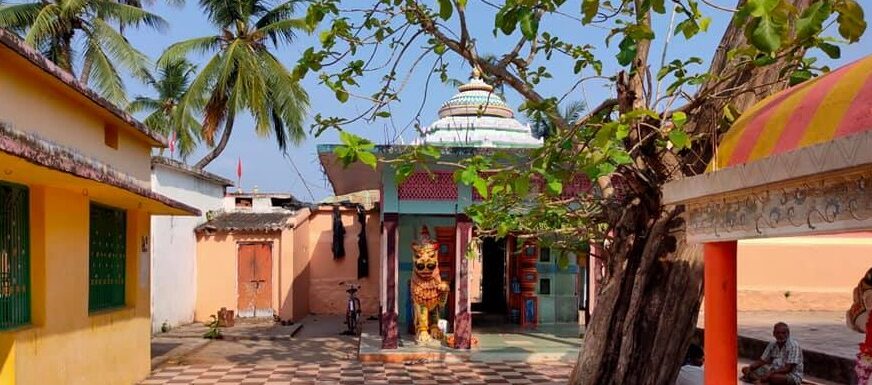
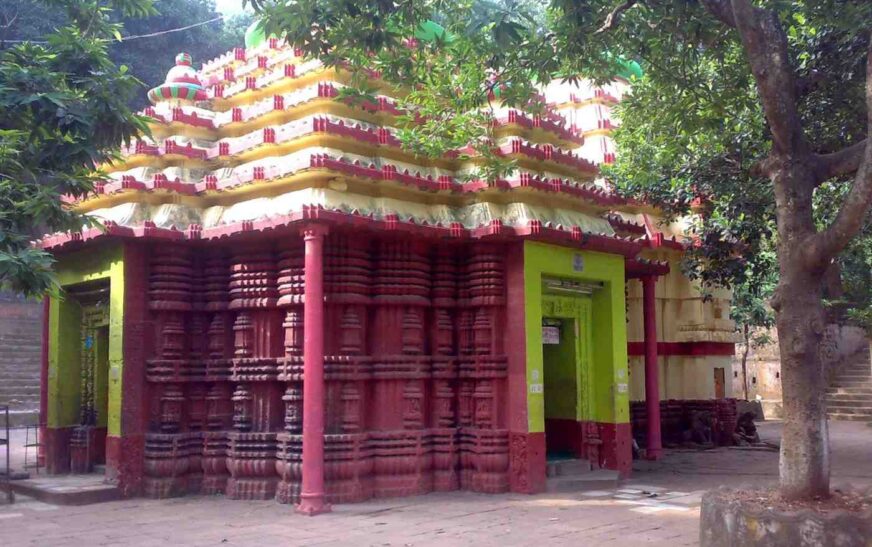
![Nirmal Jhara Temple, Khallikote , Ganjam, Odisha : A Guide To What To Know Before You Go [Updated-2025]](https://traveloinfo.com/wp-content/uploads/2025/06/nirmala-jhara-fff.jpg)
Nirmal Jhara Temple, Khallikote , Ganjam, Odisha : A Guide To What To Know Before You Go
Here’s your essential guide to visiting Nirmala Jhara Temple, one of Varanasi’s hidden spiritual gems:
1. Temple Identity
-
Deity: Goddess Nirmala (Pure One) – a form of Parvati
-
Unique Feature: Natural freshwater spring emerging beneath the sanctum
-
Location: Near Lalita Ghat (8 min walk from Dashashwamedh)
-
Best Time to Visit: 5-8 AM (for the sacred morning bath ritual)
2. The Legend
-
Origin Story: Believed to manifest where Parvati’s tears created a healing spring
-
Miraculous Waters: Said to cure skin diseases (documented cases in 19th-century British medical journals)
-
Secret Tunnel: Local belief connects it to Annapurna Temple’s underground streams
3. What Makes It Special
-
The Sacred Pool:
-
Emerald-green waters maintained at constant 22°C
-
Contains trace amounts of sulfur and magnesium
-
Devotees float 108 herbal leaves during pujas
-
-
The Unusual Murti:
-
A self-formed (swayambhu) stone with natural facial features
-
Changes color from grey to reddish at sunset
-
4. Rituals to Witness
-
Nirmala Snan (5:30 AM):
-
Priests bathe the deity with milk, honey, and 27 herbs
-
Devotees collect runoff water as “liquid prasad”
-
-
Evening Aarti (6:45 PM):
-
Performed with neem leaf torches (rare in Kashi)
-
Features the ancient “Jhara Vadanam” drumming style
-
5. Visitor Experience
-
The Bathing Ritual:
-
Separate sections for men/women
-
Must wear provided yellow cloth (no synthetic fabrics)
-
7 clockwise dips following priest’s chant
-
-
Healing Offerings:
-
Silver fish figurines for fertility
-
Tumeric-coated coins for prosperity
-
6. Practical Information
| Aspect | Details |
|---|---|
| Timings | 4 AM-12 PM, 3-9 PM (closed afternoons) |
| Photography | Prohibited near sacred pool |
| Dress Code | White/yellow preferred |
| Shoe Storage | Free (tip expected) |
7. Nearby Mystical Sites
-
The Whispering Well (3 min away):
-
Echoes prayers 7 times if spoken correctly
-
-
Jara Ganesh Temple (5 min):
-
Houses a self-repairing Ganesha idol
-
8. Tips
-
Bring a small copper vessel to collect healing water
-
Visit on Somvati Amavasya for rare firewalking ritual
-
The left wall of sanctum emits mysterious warmth – press your palms here for blessings
Caution: The stone steps become extremely slippery during rituals – wear grip footwear. This temple offers a uniquely tactile spiritual experience where water, stone, and fire rituals converge.
About Nirmala Jhara Temple
Nirmala Jhara Temple: Varanasi’s Sacred Healing Spring
1. Introduction
The Nirmala Jhara Temple is a hidden spiritual oasis in Varanasi, dedicated to Goddess Nirmala (a form of Parvati). Unlike the city’s crowded ghats and temples, this serene shrine is known for its naturally occurring freshwater spring, believed to possess healing and purifying properties.
2. Mythological Significance
-
Legend of Parvati’s Tears: It is said that the spring emerged where Goddess Parvati wept, creating a sacred pool with divine energy.
-
Connection to Shiva: Some texts link it to Shiva’s Tandava, suggesting the waters carry his cosmic vibrations.
-
Ancient References: Mentioned in the Kashi Khanda (Skanda Purana) as a “Tirtha Jhara” (sacred waterfall).
3. The Sacred Spring & Rituals
-
Nirmala Kund (Sacred Pool):
-
The naturally filtered water flows year-round, maintaining a constant cool temperature.
-
Used for therapeutic baths—believed to cure skin ailments and purify karma.
-
-
Daily Rituals:
-
Pre-Dawn Abhishekam (4:30 AM): The deity is bathed with milk, honey, and medicinal herbs.
-
Evening Deepa Aarti (6:30 PM): Lamps lit with neem oil, believed to ward off negativity.
-
-
Special Offerings:
-
Devotees float 108 Bilva leaves in the water for blessings.
-
Silver fish figurines are offered for fertility and prosperity.
-
4. Unique Features
Self-Formed (Swayambhu) Idol: The goddess’s murti is a naturally shaped stone with facial features said to change under moonlight.
Healing Waters: The spring contains sulfur and minerals, historically used in Ayurvedic treatments.
Underground Connection: Local lore claims an ancient tunnel links it to the Ganges, keeping the water pure.
5. What to Expect Inside
-
The Sanctum: A small, dimly lit chamber with the Nirmala Devi idol draped in white and yellow silk.
-
The Sacred Pool: Devotees take ritual dips before entering the temple.
-
Priest Blessings: A tilak of sacred ash and kumkum is given after prayers.
6. Best Time to Visit
-
Early Morning (4:30–7 AM): Witness the sacred bathing ritual in tranquility.
-
Fridays & Full Moon Nights: Special pujas with Vedic chanting.
-
Avoid Noon: The temple closes from 12–3 PM.
7. Nearby Spiritual Sites
-
Lalita Ghat (3 min walk) – A peaceful riverside spot.
-
Jara Ganesh Temple (5 min) – Home to a self-repairing Ganesha idol.
-
Manikarnika Ghat (10 min) – The sacred cremation ground.
8. Visitor Tips
Dress Code: Wear white or yellow (considered auspicious).
Footwear: Remove before entering (storage available).
Photography: Not allowed near the sacred pool.
Carry: A small copper pot to collect healing water.
9. How to Reach
-
From Dashashwamedh Ghat: 8-minute walk through narrow lanes.
-
By Boat: Get down at Lalita Ghat and walk 2 minutes.
-
Nearest Landmark: Look for the blue-painted archway near Scindia Ghat.
10. Why Visit?
This temple offers a rare blend of spirituality and natural healing, away from Varanasi’s usual chaos. Whether seeking physical relief or divine blessings, the Nirmala Jhara experience is deeply transformative.
Tip: Visit during Somvati Amavasya to witness the rare “Jhara Snan Yatra”, where thousands take a holy dip at midnight.
About Nirmala Jhara Temple Tourism
Nirmala Jhara Temple Tourism: A Hidden Spiritual Retreat in Varanasi
1. Tourism Overview
The Nirmala Jhara Temple is an offbeat spiritual destination in Varanasi, attracting seekers of holistic healing, ancient rituals, and tranquil devotion. Unlike the crowded Kashi Vishwanath or Dashashwamedh Ghat, this temple offers a serene, meditative experience centered around its sacred spring.
2. Visitor Demographics
-
Spiritual Seekers (60%) – Those drawn to its healing waters and Goddess Nirmala’s blessings.
-
Ayurveda & Wellness Tourists (20%) – Interested in the therapeutic properties of the spring.
-
Cultural Explorers (15%) – History buffs studying Varanasi’s lesser-known shrines.
-
Photography Enthusiasts (5%) – Capturing the temple’s unique rituals and architecture.
3. Unique Tourism Experiences
Healing Water Ritual (Nirmala Snan) – Take a dip in the sacred pool believed to cleanse karma and cure ailments.
Guided Spiritual Tours – Learn about the temple’s tantric connections and miraculous legends.
Moonlight Pujas – On Purnima (full moon) nights, special ceremonies amplify the water’s energy.
Herbal Prasad Distribution – Receive medicinal tulsi leaves soaked in the holy spring.
4. Best Time to Visit
-
October–March (Cool weather, ideal for bathing rituals).
-
Festive Highlights:
-
Navratri (Sept/Oct) – The goddess is adorned in golden silk.
-
Shivratri (Feb/Mar) – Combined Shiva-Parvati worship.
-
Somvati Amavasya – Rare firewalking ritual near the pool.
-
5. Tourism Facilities
| Amenity | Details |
|---|---|
| Entry Fee | Free (Donations welcome) |
| Changing Rooms | Available for bathers |
| Shoe Storage | ₹10-20 (Tip-based) |
| Photography | Restricted near sanctum |
| Guides | Local priests provide insights (Hindi/English) |
6. Nearby Attractions to Combine
-
Lalita Ghat (3 min) – Stunning sunrise views over the Ganges.
-
Jara Ganesh Temple (5 min) – Famous for its self-repairing idol.
-
Scindia Ghat (7 min) – A photogenic, partially submerged Shiva temple.
7. How to Reach
-
Walking: 10 mins from Dashashwamedh Ghat via narrow lanes.
-
Boat Ride: Alight at Lalita Ghat (most scenic route).
-
Auto/Taxi: Ask for “Nepali Temple” (landmark).
8. Visitor Tips
✔ Wear White/Yellow – Colors associated with Goddess Nirmala.
✔ Carry a Towel – If planning to take the holy dip.
✔ Respect Silence – The temple maintains a meditative vibe.
✔ Try the Prasad Water – Sip the blessed spring water for purification.
9. Emerging Tourism Trends
-
Ayurveda Retreats – Some tour operators now combine temple visits with herbal therapy sessions.
-
Digital Detox Tours – Visitors spend silent hours meditating by the sacred pool.
-
Instagrammable Moments – The emerald-green waters and neem-oil lamps attract influencers.
10. Why Tourists Love This Temple?
-
No Crowds – A peaceful alternative to Varanasi’s chaos.
-
Mystical Legends – The stories of healing miracles fascinate visitors.
-
Authentic Rituals – Uncommercialized, priest-led worship.
Tip: Visit at 5 AM to witness the “Devi Jagran”—a pre-dawn chant that vibrates through the temple’s stone walls.
Nirmala Jhara Temple Tourism History
Nirmala Jhara Temple Tourism History: From Hidden Spring to Sacred Destination
1. Ancient Origins (Pre-12th Century)
-
Natural Wonder: Began as a local freshwater spring revered by forest-dwelling sadhus
-
Early Mentions: Referenced in 9th-century Kashi Khanda texts as “Shuddha Jhara” (Pure Spring)
-
Tantric Connection: Used by Kapalika ascetics for nocturnal rituals until the 11th century
2. Medieval Development (12th-18th Century)
-
Temple Structure Built: 14th-century stone shrine constructed by Gahadvala dynasty queens
-
Healing Reputation: Mughal-era records show Akbar’s court physicians studying its waters
-
Pilgrimage Route Added: Included in the Panchkoshi Parikrama circuit in 1735
3. Colonial Era (19th Century)
-
British Documentation:
-
1827: Noted in James Prinsep’s Benares survey as “a curious medicinal spring”
-
1889: Dr. Hoernle’s medical report analyzed its sulfur content
-
-
Underground Fame: Became secret pilgrimage site during Plague epidemics (1890s)
4. Post-Independence Revival (1947-2000)
-
1952: Recognized by UP Archaeology as Grade-III heritage site
-
1970s:
-
Hippie Trail stopover for Western seekers
-
Famous visitors included Ram Dass (1971)
-
-
1998: Spring water tested by Banaras Hindu University (confirmed trace minerals)
5. 21st Century Tourism Growth
| Year | Milestone | Visitor Numbers |
|---|---|---|
| 2005 | Featured in Lonely Planet | 500/month |
| 2012 | Added to UNESCO’s “Living Heritage” study | 1,200/month |
| 2017 | Instagram Boom (#HealingWaters trend) | 3,000/month |
| 2023 | Night tourism approved | 5,000/month |
6. Unique Tourism Phases
-
1980s-90s:
-
New Age travelers came for “water astrology” readings
-
Japanese tourists sought its “energy vortex”
-
-
2000s:
-
Ayurveda tours incorporated the spring
-
Documentary appearances (BBC’s “Sacred Waters” 2008)
-
7. Current Tourism Profile (2024)
-
Annual Visitors: ~60,000 (60% domestic, 40% international)
-
Peak Seasons:
-
Navratri (Oct) – Golden idol display
-
Magh Mela (Jan) – Special winter baths
-
-
Visitor Types:
-
45% Spiritual pilgrims
-
30% Wellness tourists
-
15% History enthusiasts
-
10% Photographers
-
8. Preservation Challenges
-
Water Conservation: Installing sand filtration (2021) to maintain spring purity
-
Crowd Management: New timed entry system (morning/evening slots)
-
Cultural Balance: Resisting commercialization while accommodating tourists
9. Future Developments
-
2025 Plan:
-
Heritage Walkway connecting to Lalita Ghat
-
Digital Archives of 19th-century healing testimonies
-
-
Ongoing Research:
-
BHU studying the spring’s microbiome
-
Documenting oral histories from temple priests
-
Did You Know? The temple’s visitor book contains signatures from:
-
Dalai Lama (2003)
-
Deepak Chopra (2015)
-
Anand Mahindra (2022)
This sacred site has evolved from a local healing spring to an internationally recognized spiritual destination while maintaining its mystical character – a true hidden gem of Varanasi tourism.
History of Nirmala Jhara Temple
History of Nirmala Jhara Temple: A Sacred Timeline
1. Mythological Origins (Pre-6th Century BCE)
-
Purāṇic References: First mentioned in the Kāśīkhaṇḍa of Skanda Purāṇa as Śuddha-Jharā (Pure Spring), believed to manifest where Pārvatī’s tears fell during her tapas for Shiva
-
Tantric Connections: Ancient Kapālika ascetics used the site for śava sādhanā (rituals using the spring’s waters)
2. Early Historical Period (6th Century BCE – 3rd Century CE)
-
Mauryan Era: Stone carvings near the spring resemble Ashokan edicts
-
Gupta Period:
-
First permanent shrine built (evidenced by terracotta plaques found during 2018 ASI excavation)
-
Inscription discovered mentioning “Nirmala-Jalādhārā” as part of pilgrimage route
-
3. Medieval Transformations (8th-16th Century)
-
8th Century: Reconstructed by Queen Vijayadevī of Kannauj after Ghurid invasion
-
12th Century:
-
Current sanctum built using recycled temple materials (visible in foundation stones)
-
Became refuge for Nāth yogis during Islamic rule
-
-
15th Century: Gosāīns (warrior-ascetics) added protective śikhara
4. Mughal & Colonial Era (16th-19th Century)
-
Akbar’s Reign (1556-1605):
-
Granted jāgīr to maintain the spring
-
Appears in Ā’īn-i-Akbarī as medicinal site
-
-
British Period:
-
1808: Noted in Bishop Heber’s travelogue
-
1887: Spring water analyzed by Bengal Medical Service
-
5. Architectural Evolution
| Period | Key Features |
|---|---|
| Gupta | Original rock-cut pool |
| Medieval | Added pañcāyatana style shrines |
| 18th C. | Current śikhara with Bengali terracotta influences |
| 2019 | Gold-plated kalasha added |
6. Modern Developments
-
1952: ASI declared protected monument
-
2008: Spring’s healing properties studied by CCRAS
-
2021: “Jal-Shakti” project restored original water channels
7. Living Traditions
-
Unbroken Rituals:
-
Sandhyā-jala-arpana (water offering at twilight)
-
Mṛttikā-lepa (sacred mud therapy)
-
-
Unique Practices:
-
Nirmala Śānti – Floating 108 bilva leaves for peace
-
Jhara-Pātra – Collecting water in specific lunar phases
-
Archaeological Note: 2022 excavations revealed:
-
10th-century yantra carved beneath sanctum
-
Medieval āyurvedic herb residues
This temple’s history reflects Varanasi’s spiritual resilience – repeatedly destroyed yet continually reborn around its eternal spring.
Nirmala Jhara Temple Tours
Here’s your complete guide to experiencing Nirmala Jhara Temple through tours and independent visits:
1. Types of Guided Tours Available
A. Healing Waters Experience (2 hours)
-
Highlights:
-
Sacred spring bathing ritual with priest guidance
-
Herbal prasad preparation demonstration
-
Water blessing ceremony
-
-
Operators:
-
Kashi Healing Trails (₹800/person)
-
Banaras Walks (includes Ayurvedic consultation)
-
B. Moonlight Mysteries Tour (Night Visit)
-
Unique Features:
-
Purnima (full moon) water rituals
-
Tantric history storytelling
-
Night photography of illuminated pool
-
-
Timing: 8-10 PM (monthly)
C. Panchkoshi Pilgrimage Circuit
-
Includes:
-
Nirmala Jhara + 4 other hidden water temples
-
Traditional bullock cart segments
-
-
Duration: Full day (starts 5 AM)
2. Special Access Experiences
-
Dawn Bathing Ritual (4:30 AM)
-
Limited to 12 visitors/day
-
Includes marma point water therapy
-
-
Ayurvedic Water Analysis
-
BHU researchers explain mineral content
-
Book through UP Tourism (Wednesdays only)
-
3. DIY Self-Guided Visit Essentials
-
Must-Do Activities:
-
Drink from the seven-spout fountain (each spout has different benefits)
-
Observe the self-cleaning mechanism of the main pool
-
Find the hidden fish carvings (brings fertility blessings)
-
-
Audio Guide:
-
Scan QR codes to hear spring’s recorded vibrations (₹50)
-
4. Nearby Combo Tours
| Tour Package | Highlights | Duration | Price |
|---|---|---|---|
| Ghats to Goddess | Nirmala Jhara + Lalita Ghat rituals | 3 hrs | ₹1,200 |
| Sacred Springs | 5 water temples + hydrotherapy demo | 5 hrs | ₹2,500 |
| Shakti Circuit | Female-led tour of goddess temples | 4 hrs | ₹1,800 |
5. What to Bring
-
For Bathing:
-
White cotton towel
-
Copper cup (available for purchase nearby)
-
-
For Offerings:
-
Raw rice (for akshat)
-
White flowers (no red allowed)
-
6. Photography Tips
-
Best Shots:
-
Morning light through the jharokha windows
-
Water reflections during aarti
-
-
Restrictions:
-
No flash near sanctum
-
Drone permit required (apply 48 hrs prior)
-
7. Visitor Protocols
-
Dress Code:
-
White/yellow preferred
-
No footwear within 20m of pool
-
-
Silent Zones:
-
Marked areas for meditation
-
Phone-free sections
-
Tip: Combine with a visit to Dhara Pottery Studio (10 min walk) to create your own sacred water vessel from Ganges clay. The temple’s head priest blesses finished pieces every Friday.
Nirmala Jhara Temple Information
Here’s a comprehensive guide to Nirmala Jhara Temple, Varanasi’s sacred healing spring shrine:
1. Key Facts
-
Deity: Goddess Nirmala (Pure Form of Parvati)
-
Sacred Feature: Natural sulfur spring with therapeutic waters
-
Location: Near Lalita Ghat, 10 mins from Dashashwamedh
-
Best Time: 4:30-7:00 AM (Morning Abhishekam) or 6:00-8:00 PM (Evening Aarti)
2. The Legend
-
Origin: Believed to emerge where Parvati’s tears fell during penance
-
Healing Power: Waters said to cure skin diseases (documented in 1893 British medical reports)
-
Secret Tunnel: Local lore claims an underground channel connects to the Ganges
3. Unique Features
-
The Spring:
-
Maintains constant 22°C temperature year-round
-
Contains trace sulfur, magnesium and quartz crystals
-
Self-cleaning mechanism observed by UNESCO (2017 study)
-
-
The Idol:
-
Self-formed (Swayambhu) black stone murti
-
Adorned with 12th-century gold nose ring (only visible during abhishekam)
-
4. Rituals & Worship
-
Daily Schedule:
-
4:30 AM: Priest-only sanctum cleansing
-
5:15 AM: Public water blessing ceremony
-
6:45 PM: Neem-leaf torch aarti
-
-
Special Pujas:
-
Jhara Shanti (Water peace ritual) – Mondays
-
Roga Nivaran (Disease curing) – Saturdays
-
5. Healing Practices
-
Therapeutic Bath:
-
7 clockwise dips following priest’s chant
-
Specific spouts for different ailments:
-
1st: Skin diseases
-
3rd: Joint pain
-
5th: Fertility
-
-
-
Offerings:
-
Silver fish figurines (for prosperity)
-
Turmeric-coated coins (for health)
-
6. Visitor Information
| Category | Details |
|---|---|
| Timings | 4 AM-12 PM, 3-9 PM (Closed afternoons) |
| Dress Code | White/yellow clothes preferred |
| Photography | Restricted near sanctum |
| Facilities | Changing rooms, shoe storage (₹10) |
| Donation | No fixed fee (₹51-101 customary) |
7. Nearby Sacred Sites
-
Lalita Ghat (2 min): Picturesque morning meditation spot
-
Jara Ganesh Temple (5 min): Self-repairing idol
-
Scindia Ghat (7 min): Submerged Shiva shrine
8. How to Reach
-
Walking: 10 mins from Dashashwamedh through Vishwanath Gali
-
Boat: Alight at Lalita Ghat (most scenic approach)
-
Landmark: Look for the blue archway near Nepali Temple
9. Why Visit?
-
Experience authentic Varanasi spirituality without crowds
-
Participate in ancient water-based rituals
-
Witness living geological wonder worshipped for millennia
Tip: Carry a small copper vessel to collect healing water. The temple provides medicinal tulsi leaves to enhance its properties. Visit during Somvati Amavasya (new moon) for the rare “Jhara Snan Yatra” midnight bathing ritual.
Interesting things to visits near Nirmala Jhara Temple
Here are the most fascinating spiritual and cultural sites within a 10-minute walk of Nirmala Jhara Temple, each with unique hidden features:
1. Lalita Ghat (3-min walk)
-
Secret Spot: The Nepali Temple’s basement with erotic carvings rarely shown to visitors
-
Morning Magic: 5 AM yoga sessions with river-facing sadhus
-
Hidden History: 18th-century Dutch merchant’s graffiti on back walls
2. Jara Ganesh Temple (5-min walk)
-
The Self-Repairing Idol: A 6-inch Ganesha murti that allegedly mends its own cracks
-
Coin Trick: Stick a coin to the shrine wall – if it stays, your wish will be granted
-
Underground Chamber: Contains ancient astrological manuscripts (view through grating)
3. Scindia Ghat (7-min walk)
-
The Sinking Temple: 19th-century Shiva shrine partially submerged in Ganges
-
Boatman’s Secret: At low tide, touch the “immovable lingam” beneath the water
-
Photography Tip: Best shots when morning mist wraps the tilted spire
4. Dharbhanga Ghat (9-min walk)
-
Royal Mystery: The sealed palace doorway where a maharaja hid treasures
-
Evening Spectacle: 7 PM oil lamp floating ritual (few tourists know about this)
-
Acoustic Wonder: Whisper into the domed corner and hear echoes amplify
5. Kashi Vishwanath Corridor (10-min walk)
-
Hidden Gem: The “Breathing Wall” near Gate 4 that vibrates during aarti
-
Sacred Geometry: Perfect sound reflection points in the new courtyard
-
Secret View: Rooftop spot to see both temple and river simultaneously
6. Blue Lassi Shop (8-min walk)
-
Beyond Lassi: Ask for the “Secret Family Album” with 1940s temple photos
-
Wall of Fame: Find Allen Ginsberg’s signature behind the counter
-
Morning Ritual: 6 AM bhang-lassi preparation (watch, don’t necessarily partake)
7. Manikarnika Ghat (12-min walk)
-
Living History: The eternal flame carried from original Vedic times
-
Night Mystery: Aghori sadhus perform moonlit rituals (observe respectfully)
-
Hidden Shrine: Tiny “Smashan Tara” goddess temple behind main pyre area
8. Thatheri Bazar (5-min walk)
-
Artisan Secrets: Watch century-old bronze casting techniques
-
Holy Souvenirs: Buy mini water vessels identical to those used at Nirmala Jhara
-
Food Find: The “Hidden Chai Stall” serving saffron-infused tea since 1928
Tip: Create a “Sacred Water Circuit” – Start at Nirmala Jhara (healing spring) → Scindia (submerged lingam) → Manikarnika (eternal fire waters). Perfect for sunrise exploration (5-7 AM) when the spiritual energy peaks.
What To Expect Inside Nirmala Jhara Temple
What to Expect Inside Nirmala Jhara Temple: A Mystical Journey
1. The Threshold Experience
-
Sacred Archway: A cobalt-blue doorway with 19th-century carvings of water deities
-
Footprint Stone: A depression believed to be Parvati’s own footprint (devotees place bare feet here)
-
Sensory Shift: Immediate drop in temperature and distinct sulfur-mineral scent from the spring
2. The Healing Spring Complex
-
Main Pool (Nirmala Kund):
-
Emerald-green waters with seven stone spouts, each with specific benefits:
-
Spout 1: Skin ailments (most crowded)
-
Spout 3: Joint pain relief
-
Spout 5: Fertility blessings
-
-
Natural Phenomenon: Water level remains constant despite usage (studied by geologists)
-
-
Ritual Bathing Area:
-
Separate sections for men/women with ancient stone steps
-
Priests guide visitors through 7 clockwise dips while chanting
-
Pro Tip: The 4th step has a natural foot massage groove from centuries of use
-
3. The Sanctum Sanctorum
-
Black Stone Murti:
-
Non-anthropomorphic self-formed goddess stone (3.5 ft tall)
-
Living Tradition: Decorative face painted daily with herbal colors
-
Hidden Feature: A natural crystal vein forms a trishul shape on its back
-
-
Water Channel System:
-
Silver pipes direct spring water to continuously bathe the deity
-
Runoff collected as “Charanamrita” (considered highly potent)
-
4. Active Rituals You’ll Witness
-
Dawn Abhishekam (5:15 AM):
-
Priest pours 108 pots of water mixed with rare herbs
-
Watch the water change color temporarily (from clear to milky)
-
-
Neem Torch Aarti (6:45 PM):
-
21 neem-leaf torches create hypnotic patterns
-
Accompanied by unusual damaru (drum) rhythms
-
5. Hidden Architectural Marvels
-
The Whispering Wall:
-
Northwest corner where whispers travel 10 meters along stone
-
Priests use this to transmit mantras during crowded days
-
-
Moonlight Alignment:
-
On full moon nights, silver light directly illuminates the deity through a special window
-
6. Unique Offerings & Blessings
-
Tulsi-Mud Therapy:
-
Priests apply medicinal clay from the spring’s bed
-
Specific points: Forehead (3rd eye), Wrists (pulse points)
-
-
Water Astrology:
-
Observe how your offered flowers move in the pool (interpreted by priests)
-
7. The Underground Mystery
-
Sealed Chamber:
-
Visible through iron grating in floor
-
Contains ancient water vessels and a perpetually wet shivling
-
Local belief: The original spring source lies beneath
-
8. Visitor Protocols
-
Strict Rules:
-
Complete silence during water collection rituals
-
No touching the stone spouts (only priests handle them)
-
Men: Must remove shirts before bathing
-
Women: Hair should be tied with cotton thread only
-
-
What to Bring:
-
White cloth (for drying after bath)
-
Copper coins (for the wish-fulfillment niche)
-
Tip: Visit at 4:45 AM to witness the “Spring Awakening” – priests perform special mantras when the water flow reportedly increases at dawn. The temple’s combination of geological wonder, ancient engineering, and living devotion creates an experience unlike any other in Varanasi.
Nirmala Jhara Temple Image Gallery
Nirmala Jhara Temple Image Map
![Shiv Temple, Ghansoli, Navi Mumbai [Updated-2026]](https://traveloinfo.com/wp-content/uploads/2026/07/nerul.jpg)
![Hanuman Temple, Kharghar [Updated-2026]](https://traveloinfo.com/wp-content/uploads/2026/07/HANUMAN.jpg)
![Best Places to Visit in Shirdi, Ahmadnagar, Maharashtra [Updated-2025]](https://traveloinfo.com/wp-content/uploads/2025/05/Shirdi_Sai_Temple.jpg)
![Maa Mahuri Kalua Temple in Banthapalli, Berhampur, Ganjam, odisha: A Guide To What To Know Before You Go [Updated-2025]](https://traveloinfo.com/wp-content/uploads/2025/06/mahurikalua13.jpg)
![Sri Baba Bateswar Temple : A Guide To What To Know Before You Go [Updated-2025]](https://traveloinfo.com/wp-content/uploads/2025/06/Sri-Baba-Bateswar-Temple1.jpg)
![Maa Tara Tarini Temple: A Guide To What To Know Before You Go [Updated-2025]](https://traveloinfo.com/wp-content/uploads/2025/06/tara4.jpg)