
![Nandikeswar Temple, Pudamari, Odisha : A Guide To What To Know Before You Go [Updated-2025]](https://traveloinfo.com/wp-content/uploads/2025/06/Nandikeswar-Temple2.jpg)
Nandikeswar Temple, Pudamari, Odisha : A Guide To What To Know Before You Go
Located in the serene village of Pudamari in Odisha, the Nandikeswar Temple is a hidden gem dedicated to Lord Shiva. Known for its spiritual significance and tranquil surroundings, this temple attracts devotees and tourists seeking peace and divine blessings.
Key Highlights of Nandikeswar Temple
-
Deity: The temple is dedicated to Lord Shiva, worshipped as Nandikeswar.
-
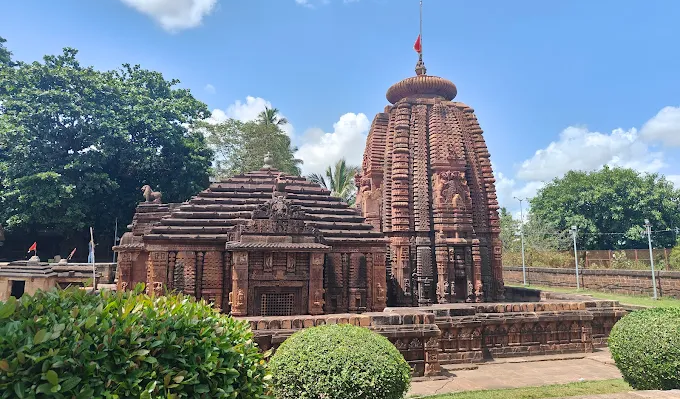
Architecture: Features traditional Kalinga-style architecture with intricate carvings.
-
Sacred Pond: A holy pond near the temple is believed to have healing properties.
-
Festivals: Maha Shivaratri is celebrated with great fervor, drawing large crowds.
Best Time to Visit
-
October to March (pleasant weather)
-
Maha Shivaratri (February/March) for a grand celebration.
How to Reach
-
Nearest Railway Station: Bhadrak (approx. 30 km)
-
Nearest Airport: Biju Patnaik International Airport, Bhubaneswar (approx. 130 km)
-
By Road: Well-connected via buses and taxis from Bhadrak and Balasore.
Nearby Attractions
-
Akhandalamani Temple (Aradi) – Famous Shiva temple (around 25 km away).
-
Chandipur Beach – Unique vanishing beach (approx. 50 km away).
-
Bhadrakali Temple – Ancient goddess temple in Bhadrak.
Travel Tips
-
Dress modestly as it is a religious site.
-
Carry water and snacks as facilities may be limited.
-
Visit early morning or evening for a peaceful experience.
About Nandikeswar Temple
Nandikeswar Temple: A Sacred Abode of Lord Shiva in Bhubaneswar
The Nandikeswar Temple is an ancient Shaivite shrine located in Bhubaneswar, Odisha, India. Dedicated to Lord Shiva, it is one of the lesser-known yet historically significant temples in the city, revered for its spiritual aura and architectural charm.
Historical & Religious Significance
-
Age & Origin: Believed to date back to the 9th–10th century CE, it is one of the oldest surviving temples in Bhubaneswar, built during the Somavamsi dynasty.
-
Deity: The temple enshrines a Shiva Linga (aniconic form of Lord Shiva) and features a beautifully carved Nandi (sacred bull) statue, symbolizing devotion and strength.
-
Association with Lingaraj Temple: Located near the famous Lingaraj Temple, it is considered a subsidiary shrine, often visited by pilgrims as part of their spiritual circuit.
Architecture & Features
The temple follows the Kalinga style of architecture, typical of Odisha’s medieval temples. Key features include:
-
Vimana (Main Tower): A modest yet intricately carved tower over the sanctum.
-
Jagamohana (Assembly Hall): A pillared mandapa (hall) where devotees gather.
-
Nandi Statue: A finely sculpted stone Nandi facing the Shiva Linga, as per tradition.
-
Stone Carvings: Though simpler than larger temples like Lingaraj or Mukteswar, it has delicate floral and deity motifs.
Spiritual Importance
-
Devotees believe that offering prayers here brings peace, prosperity, and fulfillment of wishes.
-
The temple is especially significant during Maha Shivaratri, when special rituals and night-long prayers are held.
-
A serene spot for meditation due to its less crowded ambiance compared to major temples.
Location & Accessibility
-
Address: Near Lingaraj Temple, Old Bhubaneswar, Odisha.
-
Nearest Landmarks: Close to Parsurameswar Temple and Mukteswar Temple.
-
How to Reach:
-
By Auto/Taxi: Easily accessible from anywhere in Bhubaneswar (3 km from city center).
-
By Bus: OSRTC buses stop near Lingaraj Temple.
-
By Train/Air: Bhubaneswar Railway Station (3 km) & Biju Patnaik Airport (6 km).
-
Visiting Hours & Best Time to Visit
-
Opening Hours: 6:00 AM – 8:00 PM (may vary on festivals).
-
Best Time:
-
October–March (pleasant weather).
-
Early morning or evening for a peaceful darshan.
-
Visitor Tips
✔ Dress Code: Traditional/Modest clothing preferred (avoid shorts/sleeveless).
✔ Footwear: Remove before entering (shoe stands available).
✔ Photography: Check with priests before taking pictures inside.
✔ Combine Visit: Explore nearby Lingaraj, Mukteswar, and Rajarani Temples.
Nearby Attractions
-
Lingaraj Temple (500 m) – Bhubaneswar’s most famous Shiva temple.
-
Mukteswar Temple (1 km) – Known for its exquisite torana (archway).
-
Rajarani Temple (2 km) – Famous for its sculpted erotic art.
-
Kedar Gouri Temple – A Shakti Peetha near Lingaraj.
Though small, the Nandikeswar Temple holds deep spiritual and historical value. Its tranquil setting makes it perfect for those seeking a quiet moment of devotion away from the city’s bustle. A must-visit for heritage lovers exploring Bhubaneswar’s temple trail
Nandikeswar Temple Travel Guide and Tips
Nandikeswar Temple Travel Guide & Essential Tips
Location & Accessibility
-
Where: Near Lingaraj Temple, Old Bhubaneswar, Odisha, India.
-
Nearest Landmarks: 500m from Lingaraj Temple, 1km from Mukteswar Temple.
-
How to Reach:
-
Auto/Taxi: ₹50-100 from city center (3km).
-
Bus: OSRTC buses to Lingaraj stop (walk 5 mins).
-
Parking: Limited space near temple (better to walk from Lingaraj).
-
Best Time to Visit
-
Timings: 6:00 AM – 8:00 PM (may extend during festivals).
-
Ideal Season: Oct-Mar (cool weather).
-
Avoid: Peak afternoon (12-3 PM) – hot & crowded.
-
Special Days: Maha Shivaratri, Shravan Mondays (extra rituals).
Why Visit?
✔ Ancient Heritage – 9th-century Kalinga architecture.
✔ Spiritual Vibes – Less touristy, peaceful for meditation.
✔ Pilgrimage Combo – Easy to pair with Lingaraj/Mukteswar.
Visitor Tips
-
Dress Code: Cover shoulders/knees (sarongs available for rent nearby).
-
Footwear: Free racks outside (keep ₹10 for attendant).
-
Prasad: Local shops sell offerings (flowers, bilva leaves).
-
Photography: Allowed outside; ask permission inside sanctum.
Things to Avoid
Leather Items – Prohibited in temple premises.
Guides – No official guides; priests explain briefly for donations.
Rush Hours – 8-10 AM (local devotees), 6-7 PM (aarti time).
Nearby Attractions (Walking Distance)
-
Lingaraj Temple (5 mins) – Bhubaneswar’s grandest shrine.
-
Mukteswar Temple (15 mins) – Famous for its carved torana.
-
Parsurameswar Temple (10 mins) – Oldest surviving temple in city.
Where to Eat Nearby
-
Baba Tentulia – Local veg thali near Lingaraj (₹80-120).
-
Bhojohori Manna (1km) – Bengali/Odia cuisine.
-
Street Food: Try chenna poda (sweet cheese cake) at temple stalls.
Budget Stays Nearby
-
Hotel Suryansh (₹800/d) – Clean AC rooms, 10 mins walk.
-
OYO Townhouse (₹1,200/d) – Near Rajarani Temple.
Tip
Visit at sunrise – magical morning light on stone carvings + fewer crowds. Carry exact change for donations (priests rarely give change).
Final Verdict: A compact but culturally rich stop for temple-hoppers. Spend 30-45 mins here before exploring Lingaraj complex.
History of Nandikeswar Temple
History of Nandikeswar Temple: A 9th-Century Gem of Bhubaneswar
The Nandikeswar Temple is one of the lesser-known but historically significant ancient temples in Bhubaneswar, Odisha. Its origins trace back to the early medieval period, reflecting the rich Shaivite traditions of the region.
Origins & Construction (9th–10th Century CE)
-
Built during the Somavamsi dynasty, which ruled Odisha from the 9th to 12th centuries.
-
Contemporary to Lingaraj Temple, but smaller in scale, serving as a subsidiary shrine.
-
Dedicated to Lord Shiva, with Nandi (the sacred bull) as its main iconographic focus.
Architectural Evolution
-
Built in the Kalinga architectural style, characterized by:
-
A rekha deul (curvilinear spire) over the sanctum.
-
A pidha jagamohana (pyramidal-roofed assembly hall).
-
-
Simpler in design compared to grander temples like Lingaraj, suggesting it may have been a community shrine for local devotees.
Historical Significance
-
Part of Bhubaneswar’s “Temple City” Heritage – One of many medieval Shaivite temples in the area.
-
Possible Connection to Tantric Practices – Some scholars believe smaller temples like Nandikeswar were used for esoteric rituals.
-
Survived Islamic Invasions – Unlike larger temples that faced destruction, its modest size may have helped it remain intact.
Rediscovery & Preservation
-
Documented by British archaeologists in the 19th century as part of Odisha’s temple surveys.
-
Restored by the Archaeological Survey of India (ASI) in the 20th century to preserve its structure.
-
Still an active place of worship, maintaining centuries-old rituals.
Legends & Folklore
-
The Nandi’s Watchful Gaze – Locals believe the temple’s Nandi statue protects the Lingaraj Temple complex.
-
A Testing Site for Sculptors – Some say artisans practiced carving here before working on grander temples.
Why It Matters Today
-
A living artifact of Odisha’s temple-building tradition.
-
Less commercialized than major temples, offering an authentic glimpse into ancient Shaivism.
-
Key stop for heritage walks in Old Bhubaneswar.
Nandikeswar Temple Tours
Nandikeswar Temple Tours: A Complete Guide
Nandikeswar Temple may not be as grand as Lingaraj or Konark, but it’s a hidden gem for history buffs and spiritual seekers. Here’s how to explore it best—whether solo, with a guide, or on a heritage walk.
Types of Tours Available
1. Self-Guided Visit (Budget-Friendly)
-
Best for: Independent travelers who prefer flexibility.
-
What to do:
-
Combine with nearby temples (Lingaraj, Mukteswar, Parsurameswar).
-
Use Google Maps/audio guides (try “Odisha Tourism” app).
-
Spend 20-30 mins admiring the Nandi statue and ancient carvings.
-
2. Heritage Walks (Best for History Lovers)
-
Organized by:
-
Odisha Tourism (Govt. tours, check their website).
-
Local guides near Lingaraj Temple (₹300-500 for 1-2 hrs).
-
-
Highlights:
-
Explains 9th-century Kalinga architecture.
-
Links Nandikeswar to Bhubaneswar’s “Temple City” evolution.
-
3. Spiritual Pilgrimage Tours
-
For devotees: Many Shiva temple circuits include Nandikeswar.
-
Sample Itinerary:
-
Morning: Nandikeswar → Lingaraj → Mukteswar.
-
Evening: Iskcon → Rajarani Temple.
-
-
Book through: Local travel agencies (e.g., OTDC).
4. Photography Tours
-
Best time: Sunrise or golden hour (soft light on stone carvings).
-
What to shoot:
-
The Nandi statue’s intricate details.
-
Shadows on ancient walls.
-
Devotees in traditional attire.
-
Sample Half-Day Temple Tour Itinerary
6:30 AM: Start at Nandikeswar Temple (peaceful morning vibe).
7:15 AM: Walk to Lingaraj Temple (5 mins, main darshan).
8:30 AM: Visit Mukteswar Temple (10 mins by auto, famous torana).
9:30 AM: Breakfast at Baba Tentulia (local veg thali).
Tour Costs
| Type | Price Range | Includes |
|---|---|---|
| Self-guided | Free (donations optional) | Temple entry |
| Local guide | ₹300-800 | 1-2 hr walk + stories |
| OTDC Heritage Tour | ₹1,500-2,000 | Transport + guide + 3-4 temples |
Tips for Tourists
✔ Wear slip-on shoes (easy removal for temple entry).
✔ Carry small change (₹10-50 coins for offerings).
✔ Ask priests about rituals – some explain for a small donation.
✔ Haggle gently with guides – ₹500/day is fair for a private tour.
How to Book a Tour
-
On the spot: Hire guides near Lingaraj Temple (look for ID cards).
-
Online: Check Odisha Tourism (OTDC) or platforms like Viator.
-
Hotel concierge: Most mid-range hotels arrange temple tours.
While small, Nandikeswar is a time capsule of Odisha’s temple art. Pair it with Lingaraj and Mukteswar for a perfect half-day heritage dive.
Nandikeswar Temple Information
Nandikeswar Temple: Essential Information Guide
Location
-
Address: Near Lingaraj Temple, Old Bhubaneswar, Odisha, India
-
GPS Coordinates: 20.2389° N, 85.8339° E
-
Nearest Major Landmark: 500m from Lingaraj Temple
Deity & Significance
-
Primary Deity: Lord Shiva (as a Shiva Linga)
-
Secondary Icon: Sacred Nandi bull statue (giving the temple its name)
-
Religious Importance: One of Bhubaneswar’s oldest functioning Shiva temples
Opening Hours & Best Time to Visit
-
Daily Timings: 6:00 AM – 8:00 PM
-
Special Darshan: During morning/evening aarti (check locally for exact times)
-
Best Visiting Hours:
-
Spiritual Seekers: 6-8 AM (morning rituals)
-
Tourists: 4-6 PM (cooler temperatures, beautiful lighting)
-
Historical Background
-
Built: 9th-10th century CE during Somavamsi dynasty
-
Architectural Style: Early Kalinga school of temple architecture
-
Unique Feature: Simpler design compared to grander nearby temples, suggesting it may have served as a community shrine
Visitor Experience
-
Average Visit Duration: 20-45 minutes
-
Photography: Permitted in outer areas (ask permission for inner sanctum)
-
Special Observations:
-
Notice the ancient stone carvings on temple walls
-
Observe the perfect alignment of Nandi statue facing Shiva Linga
-
Practical Information
| Category | Details |
|---|---|
| Entry Fee | Free (donations accepted) |
| Dress Code | Modest clothing (covered shoulders/knees) |
| Footwear | Remove before entering (free racks available) |
| Facilities | Basic restrooms nearby, drinking water available |
Nearby Attractions
-
Lingaraj Temple (3 min walk) – Bhubaneswar’s most famous Shiva temple
-
Mukteswar Temple (10 min walk) – Known for its exquisite torana arch
-
Parsurameswar Temple (7 min walk) – Oldest surviving temple in the city
Important Notes
-
Avoid: Carrying leather items inside temple premises
-
Festival Alert: Maha Shivaratri sees special celebrations (expect crowds)
-
Accessibility: Some steps to climb; may be challenging for elderly/disabled
Tip
Visit just before sunset when the stone carvings glow in golden light, creating perfect photo opportunities with fewer crowds.
Interesting things to visits near Nandikeswar Temple
Here are the most fascinating attractions near Nandikeswar Temple that combine spirituality, history, and local culture:
Must-Visit Ancient Temples (Within 1km)
-
Lingaraj Temple (500m)
-
Bhubaneswar’s most magnificent temple with a 55m-high tower
-
Features 150+ intricately carved smaller shrines in its complex
-
Pro Tip: Non-Hindus can view from platform near the pond
-
-
Mukteswar Temple (800m)
-
Known as the “Gem of Odisha Architecture”
-
Famous for its exquisite torana (arched gateway) with erotic carvings
-
Perfect example of mature Kalinga style (10th century)
-
-
Parsurameswar Temple (600m)
-
Oldest surviving temple in Bhubaneswar (7th century)
-
Contains rare carvings of Saptamatrikas (seven mother goddesses)
-
Notice the dinosaur-like carvings on walls
-
Cultural & Historical Gems
-
Kedar Gouri Temple (300m)
-
Unique dual shrine dedicated to Shiva and Parvati
-
Hosts colorful marriage ceremony rituals during festivals
-
-
Odisha State Museum (1.5km)
-
Houses superb collection of stone sculptures
-
Don’t miss the palm-leaf manuscript gallery
-
Open 10AM-5PM (Closed Mondays)
-
Serene Spots
-
Bindu Sagar Lake (400m)
-
Sacred temple tank with 1000+ years history
-
Best at sunset when temples reflect in water
-
Local Secret: Vendors sell ritual offerings for ₹10-20
-
-
Ekamra Van (1.2km)
-
Beautiful botanical garden with medicinal plants
-
Features replicas of Odisha’s famous temples
-
Great for morning walks (opens 6AM)
-
Local Experiences
-
Lingaraj Temple Market
-
Watch skilled artisans carve stone souvenirs
-
Try local sweets: chenna poda (burnt cheese cake) & rasgulla
-
Bargain for brass idols and pattachitra paintings
-
-
Tribal Handicrafts Emporium (1km)
-
Government-run store with authentic tribal art
-
Best place to buy dhokra metal crafts
-
Smart Itinerary Suggestion
Morning Heritage Walk:
-
6:30AM – Nandikeswar Temple (peaceful start)
-
7:00AM – Lingaraj & Bindu Sagar
-
8:30AM – Breakfast at nearby “Truptee” (famous for dalma)
-
9:30AM – Mukteswar & Parsurameswar temples
Evening Cultural Tour:
-
4:00PM – Odisha State Museum
-
5:30PM – Sunset at Bindu Sagar
-
6:30PM – Explore local markets
What To Expect Inside Nandikeswar Temple
Here’s what you’ll experience when visiting the sacred interior of Nandikeswar Temple:
Sanctum Sanctorum (Garbhagriha)
-
The Shiva Linga: A black stone lingam (aniconic form of Shiva) adorned with fresh flowers and bilva leaves
-
Nandi Statue: A beautifully carved stone bull (about 4 feet tall) positioned in perfect alignment facing the linga
-
Sacred Atmosphere: The air carries the fragrance of incense, sandalwood, and temple flowers
Ritual Elements
-
Morning/Evening Aarti: Witness priests performing rituals with oil lamps (timings vary seasonally)
-
Abhishekam: Occasional milk/water offerings poured on the linga (you may participate)
-
Priest Services: Available for personalized pujas (₹50-200 donation typical)
Architectural Features
-
Intricate Carvings: Look for:
-
Floral motifs on ceiling
-
Traditional Odishan scrollwork on pillars
-
Faint remnants of original paint in sheltered areas
-
-
Acoustics: Notice how chants resonate in the compact space
Visitor Participation
-
Offerings Accepted:
-
Bilva leaves (available outside for ₹10/bundle)
-
Coconut (₹20-30 from vendors)
-
Milk (small cups sold nearby)
-
-
Pradakshina Path: A circumambulation path around the sanctum (do 3/5/7 circles)
Important Notes
-
No Photography inside the main shrine (outer areas permitted)
-
Silence Expected: Loud conversations discouraged
-
Dress Code: Shoulders/knees covered (sarongs available to borrow)
Typical Visit Duration
-
Quick Darshan: 5-10 minutes
-
With Participation: 15-20 minutes
-
Meditation: Quiet corners available for sitting
Best Moments to Experience
-
Sunrise: First rays illuminate the Nandi’s face
-
Evening Aarti: Lamps casting dancing shadows
-
Monsoon Visits: Rainwater dripping through ancient drainage systems
Tip: The temple’s small size means it’s rarely crowded – perfect for quiet contemplation amidst your Bhubaneswar temple tour.
![Shiv Temple, Ghansoli, Navi Mumbai [Updated-2026]](https://traveloinfo.com/wp-content/uploads/2026/07/nerul.jpg)
![Hanuman Temple, Kharghar [Updated-2026]](https://traveloinfo.com/wp-content/uploads/2026/07/HANUMAN.jpg)
![Best Places to Visit in Shirdi, Ahmadnagar, Maharashtra [Updated-2025]](https://traveloinfo.com/wp-content/uploads/2025/05/Shirdi_Sai_Temple.jpg)
![Maa Mahuri Kalua Temple in Banthapalli, Berhampur, Ganjam, odisha: A Guide To What To Know Before You Go [Updated-2025]](https://traveloinfo.com/wp-content/uploads/2025/06/mahurikalua13.jpg)
![Sri Baba Bateswar Temple : A Guide To What To Know Before You Go [Updated-2025]](https://traveloinfo.com/wp-content/uploads/2025/06/Sri-Baba-Bateswar-Temple1.jpg)
![Maa Tara Tarini Temple: A Guide To What To Know Before You Go [Updated-2025]](https://traveloinfo.com/wp-content/uploads/2025/06/tara4.jpg)