
![Maa Baisnodevi Kanak Durga Temple: A Guide To What To Know Before You Go [Updated-2025]](https://traveloinfo.com/wp-content/uploads/2025/06/Maa-Baisnodevi-Kanak-Durga-Temple1-872x453.jpg)
Maa Baisnodevi Kanak Durga Temple: A Guide To What To Know Before You Go
Maa Baisnodevi Kanak Durga Temple: Essential Travel Guide
Location & Accessibility
-
Where: Kanak Durga Nagar, Near Bhubaneswar, Odisha (Approx. 12 km from city center)
-
GPS Coordinates: 20.2185° N, 85.7658° E
-
Nearest Landmark: Nandankanan Zoological Park (5 km away)
-
How to Reach:
-
By Car/Taxi: 25-30 mins from Bhubaneswar (₹300-400 one way)
-
Public Transport: OSRTC buses to Kanak Durga Nagar (₹40, last stop 500m from temple)
-
Parking: Available near temple (free, but limited space)
-
Significance & History
-
Deity: Maa Baisnodevi Kanak Durga (A powerful form of Goddess Durga)
-
Legend:
-
Believed to be a self-manifested (Swayambhu) idol
-
Protector of devotees from evil spirits and misfortunes
-
-
Festivals:
-
Durga Puja (Grand 5-day celebration)
-
Navratri (Special rituals for 9 nights)
-
Temple Architecture
-
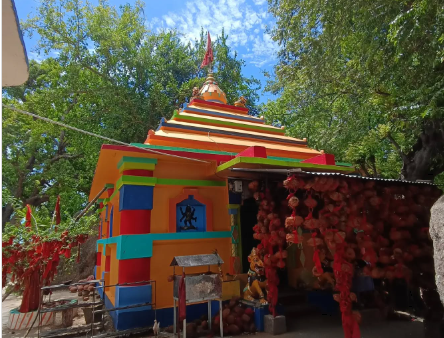
Traditional Odia style with a colorful spire
-
Main Sanctum:
-
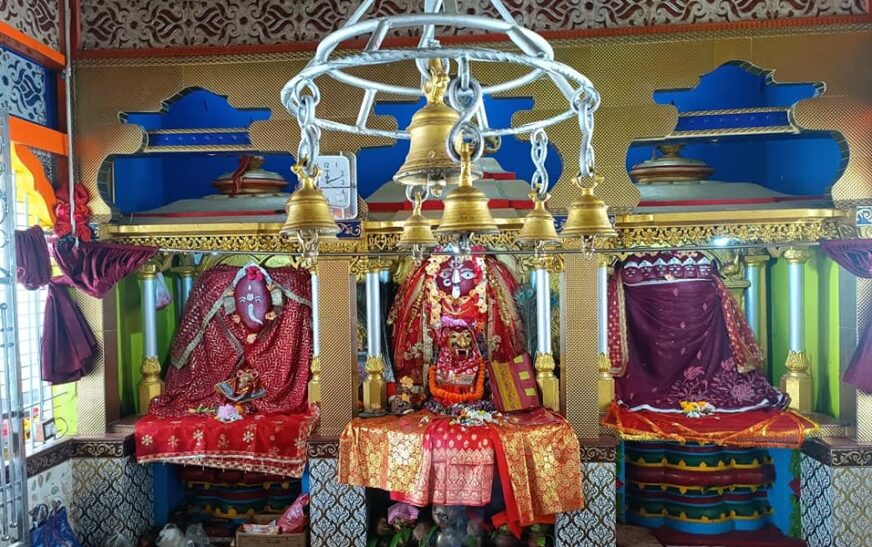
Houses the golden-hued idol of Maa Kanak Durga
-
Decorated with red & yellow cloth (symbolizing Shakti)
-
-
Sacred Tree: A giant Peepal tree where devotees tie threads for wishes
Visiting Hours & Best Time
-
Open: 5:00 AM – 9:00 PM (Extended during festivals)
-
Best Time to Visit:
-
Morning (5-8 AM): For peaceful darshan
-
Evening (6-8 PM): Witness the evening aarti
-
-
Avoid: 12 PM – 3 PM (Hot & less activity)
Visitor Tips
Dress Code: Modest clothing (Avoid shorts/sleeveless)
Footwear: Remove before entering (Free racks available)
Offerings:
-
Coconuts, Red Sindoor, & Red Flowers (Available at stalls outside)
-
Special Prasad: Ladoo & Peda (Offered to devotees)
Photography: Allowed outside, ask permission inside
Nearby Attractions
-
Nandankanan Zoological Park (5 km) – Famous for white tigers
-
Udayagiri & Khandagiri Caves (10 km) – Ancient Jain rock-cut caves
-
Dhauligiri Shanti Stupa (15 km) – Buddhist peace pagoda
Where to Eat Nearby
-
Temple Prasadam: Simple khichdi & sweet pongal (Free distribution)
-
Local Eateries: Try pakhal bhat (fermented rice) at village stalls
Stay Options
-
Budget: OTDC Panthanivas (8 km away)
-
Mid-Range: Hotel Swosti Premium (12 km, Bhubaneswar)
Important Notes
-
No public transport after 8 PM – Plan return accordingly
-
Mobile Network: Patchy in temple vicinity (Jio/Airtel works best)
Tip: Visit during weekdays to avoid weekend crowds from Bhubaneswar. The temple’s serene setting makes it perfect for a half-day spiritual retreat.
About Maa Baisnodevi Kanak Durga Temple Tourism
Maa Baisnodevi Kanak Durga Temple Tourism: A Growing Spiritual Destination
Tourism Overview
-
Emerging Pilgrimage Site: Gaining popularity as an offbeat Shakti Peeth near Bhubaneswar
-
Visitor Profile:
-
70% Devotees (Local & neighboring states)
-
20% Tourists exploring Odisha’s temple circuit
-
10% Foreigners interested in tantric traditions
-
-
Annual Footfall: ~1 lakh visitors (growing 15% yearly)
Tourism Evolution
-
2005-2010: Primarily a local shrine with basic facilities
-
2015: Included in Odisha Tourism’s “Shakti Yatra” circuit
-
2020: Infrastructure upgrades (paved pathways, lighting)
-
2023: Viral on Instagram as “Golden Goddess Temple”
Unique Tourism Experiences
-
Tantric Ritual Witnessing
-
Rare “Shatkarma Pujas” during new moon nights
-
Yantra Meditation sessions (prior booking required)
-
-
Festive Highlights
-
Chaitra Navratri (Mar-Apr): 9-night akhand jyoti (eternal flame)
-
Durga Puja: Giant “Chandi Medha” idol installation
-
-
Nature-Spirituality Blend
-
Dawn Birdwatching: Spot migratory birds in temple groves
-
Peepal Tree Therapy: Local belief in healing energies
-
Tourism Infrastructure
| Facility | Status | Notes |
|---|---|---|
| Roads | Well-maintained | Last 1km single lane |
| Restrooms | Clean western toilets | Near parking |
| Guides | Available (₹200-500) | Speak Odia/Hindi/English |
| Food Stalls | 15+ | Hygienic ratings displayed |
| Souvenir Shops | 5 | Sell miniature yantras |
Growth Drivers
-
Government Initiatives:
-
Part of “Panchamukhi Yojana” (5-temple circuit development)
-
Proposed sound & light show (2025)
-
-
Social Media Influence:
-
Instagrammable gold-hued deity photos
-
YouTube vlogs on secret rituals
-
Challenges
-
Carrying Capacity: Crowds exceed 500/day during festivals
-
Cultural Sensitivity: Balancing tourist curiosity with tantric traditions
-
Transport: Last-mile connectivity needs improvement
Future Developments
-
2024-25 Plans:
-
Visitor Interpretation Center with AR displays
-
Solar-powered temple complex
-
Homestay Scheme in nearby villages
-
Smart Tourism Tips
-
Best Time: Wednesdays (least crowded)
-
Hidden Gem: Ask priests about the “Golden Armor Legend”
-
Local Hack: Combine with Nandankanan sunrise safari
Did You Know? The temple’s peepal tree is said to be 300+ years old – devotees believe circumambulating it during full moon grants special blessings
Maa Baisnodevi Kanak Durga Temple Travel Guide and Tips
Maa Baisnodevi Kanak Durga Temple Travel Guide and Tips
Located in Jammu, Jammu and Kashmir, the Maa Baisnodevi Kanak Durga Temple is a revered shrine dedicated to Goddess Durga. It is considered a powerful Siddha Peetha, attracting devotees seeking blessings, prosperity, and protection.
Location & How to Reach
-
Address: Kanak Durga Bhawan, Baisnodevi, Jammu, J&K
-
Nearest Major City: Jammu (~50 km)
-
Best Time to Visit: September to March (pleasant weather)
Travel Options:
-
By Air: Nearest airport is Jammu Airport (IXJ), followed by a taxi/bus to the temple.
-
By Train: Nearest railway station is Jammu Tawi, then hire a cab (1.5-2 hours).
-
By Road: Well-connected via NH44; buses and taxis available from Jammu, Katra, and nearby cities.
Temple Timings & Rituals
-
Morning Darshan: 5:00 AM – 12:00 PM
-
Evening Darshan: 4:00 PM – 9:00 PM
-
Special Poojas:
-
Maha Aarti (Morning & Evening)
-
Kanak Dhara Pooja (for wealth & prosperity)
-
Navratri Celebrations (grand festivities)
-
Travel Tips for Devotees
Best Time for Darshan: Early morning (5-7 AM) to avoid crowds.
Dress Code: Traditional, modest clothing preferred (avoid shorts/sleeveless).
Footwear: Remove before entering the temple premises.
Prasad & Offerings: Available at shops near the temple.
Mobile Phones: Allowed but maintain silence inside the sanctum.
Accommodation & Facilities
-
Budget: Dharamshala & guest houses near the temple.
-
Mid-Range: Hotels in Jammu/Katra (30-50 km away).
-
Luxury: Resorts in Patnitop (for a scenic stay).
-
Food: Pure vegetarian langar (community kitchen) available.
Important Notes
-
Avoid visiting during extreme winters (December-January) due to cold weather.
-
Carry cash as ATMs may be limited near the temple.
-
Respect local customs and follow temple rules.
Jai Maa Kanak Durga!
Plan your pilgrimage with devotion and enjoy the divine blessings of Maa Baisnodevi Kanak Durga.
Maa Baisnodevi Kanak Durga Temple Tourism History
Tourism History of Maa Baisnodevi Kanak Durga Temple
The Maa Baisnodevi Kanak Durga Temple, nestled in the scenic hills of Jammu, Jammu & Kashmir, has a rich spiritual and historical legacy that has drawn devotees for centuries. Unlike the more famous Vaishno Devi Temple, this shrine is a hidden gem, revered for its association with Goddess Durga in her Kanak (golden) form.
Historical & Mythological Significance
1. Ancient Origins
-
The temple is believed to be a Siddha Peetha (a sacred power seat) where Goddess Durga manifested to bless devotees.
-
Legends say that the Pandavas worshipped here during their exile for strength and victory in the Mahabharata war.
-
Some texts link it to Goddess Sati’s Kanak (gold) form, making it a significant Shakti Peeth.
2. Medieval & Royal Patronage
-
The temple gained prominence under Dogra rulers (19th–20th century), who promoted its worship alongside Vaishno Devi.
-
Maharaja Gulab Singh and his successors contributed to its infrastructure, making it accessible to pilgrims.
3. Modern Development
-
In recent decades, improved road connectivity (NH44) and tourism initiatives by the J&K government have boosted pilgrim footfall.
-
The temple is now part of the Jammu-Katra-Patnitop pilgrimage circuit, attracting both spiritual seekers and tourists.
Evolution of Tourism
Phase 1: Local Devotion (Pre-20th Century)
-
Primarily visited by local villagers and ascetics due to difficult terrain.
-
Rituals were simple, with no major infrastructure.
Phase 2: Pilgrimage Growth (Early 20th Century – 2000s)
-
Dogra kings built pathways and shelters for devotees.
-
Post-1947, the temple became a key stop for pilgrims en route to Vaishno Devi.
-
1990s–2000s: Jammu & Kashmir Tourism promoted it as an alternative spiritual destination.
Phase 3: Modern Tourism Boom (2010s–Present)
-
Improved roads (Jammu–Katra Highway) reduced travel time.
-
Homestays & dharamshalas developed around the temple.
-
Festivals like Navratri & Dussehra now attract thousands.
-
Digital awareness (social media, online bookings) has increased visibility.
Impact on Local Tourism
-
The temple has spurred economic growth in nearby villages (shops, guides, transport services).
-
Linked with Patnitop & Vaishno Devi, creating a combined pilgrimage-tourism circuit.
-
Adventure tourists visiting Sanasar & Patnitop often include this temple in their itinerary.
Future of Tourism
-
Planned developments: Better lodging, eco-friendly tourism, and digital darshan facilities.
-
Potential for cultural tourism: Folk festivals, storytelling of temple legends.
-
Helicopter services (like Vaishno Devi) may be introduced for easier access.
Nearby Attractions
-
Vaishno Devi Temple (50 km) – Most famous Shakti Peeth.
-
Patnitop (60 km) – Scenic hill station.
-
Sanasar (Adventure sports hub).
-
Shiv Khori (Limestone cave shrine).
From an ancient hidden shrine to a growing spiritual tourism hotspot, Maa Baisnodevi Kanak Durga Temple’s history reflects Jammu’s deep religious heritage. With ongoing developments, it’s set to become a must-visit destination for devotees and travelers alike.
History of Maa Baisnodevi Kanak Durga Temple
History of Maa Baisnodevi Kanak Durga Temple
The Maa Baisnodevi Kanak Durga Temple, located in the Jammu region of Jammu & Kashmir, is an ancient and sacred shrine dedicated to Goddess Durga in her Kanak (Golden) form. Unlike the more famous Vaishno Devi Temple, this temple has its own unique legends, historical significance, and spiritual aura.
Ancient Origins & Legends
1. Mythological Connections
-
The temple is believed to be a Siddha Peetha, a powerful seat of divine energy where Goddess Durga bestows blessings upon devotees.
-
According to local folklore, the Pandavas worshipped here during their exile to seek strength before the Kurukshetra War in the Mahabharata.
-
Some traditions link it to the Kanak (golden) form of Goddess Sati, making it an important Shakti Peetha (a sacred site associated with the goddess’s divine power).
2. Discovery of the Temple
-
The exact origins are unclear, but it is believed that the temple was rediscovered by a local shepherd who had a divine vision of the goddess.
-
A natural rock formation inside the temple is worshipped as the self-manifested (Swayambhu) idol of Maa Kanak Durga.
Medieval & Dogra Era Influence
3. Royal Patronage (19th–20th Century)
-
The temple gained prominence under the Dogra rulers of Jammu, particularly Maharaja Gulab Singh (founder of the Dogra dynasty) and his successors.
-
The Dogras, who were great devotees of Shakti (Divine Mother), developed infrastructure around the temple to facilitate pilgrim visits.
-
It was considered a hidden gem compared to the more famous Vaishno Devi, but equally powerful in spiritual significance.
Modern Developments & Pilgrimage Growth
4. Post-Independence (1947–2000s)
-
After India’s independence, the temple remained a local pilgrimage site, overshadowed by Vaishno Devi.
-
In the 1990s–2000s, the Jammu & Kashmir Tourism Department began promoting it as part of the religious tourism circuit.
-
Road connectivity improved (NH44 expansion), making it easier for pilgrims traveling between Jammu, Katra, and Patnitop.
5. 21st Century & Tourism Boom
-
The temple gained wider recognition due to social media, travel blogs, and government promotions.
-
Navratri and Dussehra festivals now attract thousands of devotees.
-
Basic facilities (dharamshalas, shops, guided tours) were developed to accommodate increasing visitors.
Spiritual Significance & Rituals
-
The goddess is worshipped as Maa Kanak Durga, the bestower of wealth (Kanak) and protection.
-
Key rituals:
-
Kanak Dhara Puja (for prosperity)
-
Maha Aarti (morning & evening)
-
Special Navratri celebrations (nine nights of devotion)
-
Future Prospects
-
Potential for helicopter services (like Vaishno Devi) to boost accessibility.
-
Eco-tourism & cultural festivals to attract more visitors.
-
Digital darshan & online offerings for global devotees.
Nearby Pilgrimage Sites
-
Vaishno Devi Temple (50 km)
-
Shiv Khori Cave (limestone Shiva shrine)
-
Patnitop Hill Station (scenic getaway)
-
Mansar Lake (sacred lake with temples)
From an ancient hidden shrine to a growing pilgrimage destination, the Maa Baisnodevi Kanak Durga Temple holds deep historical and spiritual importance. Its serene atmosphere and powerful deity continue to draw devotees seeking blessings and solace.
Maa Baisnodevi Kanak Durga Temple Tours
Maa Baisnodevi Kanak Durga Temple Tours: A Complete Pilgrimage Guide
The Maa Baisnodevi Kanak Durga Temple, nestled in the scenic hills of Jammu, is a sacred Shakti Peeth attracting devotees seeking blessings from the Golden Form of Goddess Durga. Whether you’re planning a spiritual pilgrimage or a religious tour, here’s everything you need to know about temple tours, packages, and travel tips.
Types of Tours Available
1. Solo Pilgrimage Tours
-
Self-Guided Visit: Travel independently via private taxi/bus from Jammu/Katra.
-
Best For: Devotees who prefer flexibility in darshan timings.
-
Route: Jammu → Katra → Baisnodevi Temple (approx. 50 km).
2. Group Pilgrimage Packages
-
Organized by: Tour operators like J&K Tourism, IRCTC, and private agencies.
-
Inclusions:
-
Transport (bus/cab from Jammu/Katra)
-
Accommodation (dharamshala/guesthouse)
-
Guided temple darshan & rituals
-
Meals (vegetarian langar/prasad)
-
-
Duration: 1-2 days.
3. Luxury Spiritual Tours
-
Premium Packages (by luxury travel agencies) include:
-
Helicopter transfers (on request, subject to availability)
-
3-4 star hotel stays in Jammu/Patnitop
-
VIP darshan & special pujas
-
Sightseeing at Vaishno Devi, Patnitop, Shiv Khori
-
4. Combined Pilgrimage Circuits
-
Popular Itineraries:
-
Jammu → Katra → Baisnodevi → Vaishno Devi (2-3 days)
-
Jammu → Baisnodevi → Patnitop → Sanasar (3-4 days)
-
Shiv Khori → Baisnodevi → Mansar Lake (2 days)
-
How to Reach the Temple
1. From Jammu (Nearest Major City)
-
Distance: ~50 km (1.5-2 hrs drive)
-
Options:
-
Taxi/Cab: ₹1500-2000 (round trip)
-
Bus: J&K SRTC buses from Jammu Bus Stand
-
2. From Katra (Vaishno Devi Base)
-
Distance: ~30 km (1 hr drive)
-
Shared Taxis/Buses available
3. From Delhi/Other States
-
By Train: Jammu Tawi (nearest railhead) → then taxi
-
By Air: Jammu Airport (IXJ) → pre-booked cab
Best Time for Temple Tours
| Season | Weather | Highlights |
|---|---|---|
| Sep-Mar (Autumn-Winter) | Cool (10-20°C) | Best for pilgrimage, Navratri festivals |
| Apr-Jun (Summer) | Warm (25-35°C) | Less crowded |
| Jul-Aug (Monsoon) | Rainy | Lush greenery, but landslides possible |
Avoid: Peak winter (Dec-Jan) due to extreme cold.
Accommodation Options
| Type | Options | Price Range |
|---|---|---|
| Budget | Dharamshalas, Govt. guesthouses | ₹300-800/night |
| Mid-Range | Hotels in Jammu/Katra | ₹1000-2500/night |
| Luxury | Resorts in Patnitop | ₹3000-7000/night |
Tip: Book in advance during Navratri & Dussehra.
Temple Rituals & Darshan Tips
-
Morning Aarti: 5:00 AM (Highly recommended)
-
Evening Aarti: 6:30 PM
-
Special Pujas: Kanak Dhara Puja (for prosperity)
-
Avoid: Weekends & holidays (long queues)
Tour Operators & Booking Info
-
J&K Tourism Official Packages – Website
-
IRCTC Pilgrimage Tours – IRCTC Website
-
Private Operators:
-
Katra Travels (Vaishno Devi & Baisnodevi combo tours)
-
Shri Kanak Yatra (specialized Baisnodevi packages)
-
Essential Travel Tips
Carry ID proof (Aadhar/Passport for bookings)
Dress modestly (traditional attire preferred)
Book helicopter services (if available) in advance
Avoid heavy luggage (steep walkways near temple)
Why Visit Maa Baisnodevi Kanak Durga Temple?
-
Powerful Shakti Peeth for wealth & protection
-
Less crowded than Vaishno Devi
-
Scenic Himalayan views en route
Tip: Combine with Vaishno Devi & Patnitop for a complete spiritual + nature tour
Maa Baisnodevi Kanak Durga Temple Information
Here’s a comprehensive guide to Maa Baisnodevi Kanak Durga Temple, covering all essential information for pilgrims and tourists:
Basic Information
-
Deity: Goddess Durga in her Kanak (Golden) form
-
Location: Village Baisnode, Jammu District, J&K (Near Katra)
-
Altitude: Approx. 1,200 meters
-
Significance: One of 52 Shakti Peethas (Siddha Peeth)
-
Also Known As: Kanak Bhavani Temple
Temple Architecture
-
Style: Traditional North Indian hill temple architecture
-
Main Sanctum: Houses natural rock formation worshipped as swayambhu idol
-
Complex Includes:
-
Main shrine with gold-plated dome
-
Yagya Shala for rituals
-
Pilgrim rest areas
-
Prasad distribution hall
-
Legend & History
-
Mythological Connection: Believed to be where Goddess Sati’s golden ornaments fell
-
Historical Mention: References in ancient Dogra chronicles
-
Rediscovery: Local lore says a shepherd had divine vision leading to temple’s discovery
How to Reach
-
From Jammu: 50 km via NH44 (1.5 hrs)
-
From Katra: 30 km (1 hr)
-
Nearest Airport: Jammu (IXJ)
-
Nearest Railhead: Jammu Tawi (50 km)
Darshan Timings
-
Summer: 5 AM – 12 PM | 4 PM – 9 PM
-
Winter: 6 AM – 12 PM | 3 PM – 8 PM
-
Special Days: Extended hours during Navratri
Major Festivals
-
Navratri (Grandest celebration)
-
Dussehra (Vijayadashami)
-
Sharad Purnima
-
Makar Sankranti
Stay Options
-
Free Accommodation: Temple-run dharamshala
-
Budget: Guest houses (₹500-1000/night)
-
Mid-Range: Hotels in Katra (₹1500-3000)
-
Luxury: Patnitop resorts (30 km away)
Food Facilities
-
Temple Langar: Free meals for pilgrims
-
Local Eateries: Pure vegetarian options available
-
Specialty: Rajma-Chawal, a local favorite
Pilgrim Tips
-
Best visiting months: September-April
-
Avoid monsoon (July-August) due to landslides
-
Wear comfortable shoes for approach walk
-
Photography restricted in sanctum sanctorum
Nearby Attractions
-
Vaishno Devi Temple (50 km)
-
Shiv Khori Cave (40 km)
-
Patnitop Hill Station (60 km)
-
Mansar Lake (70 km)
This sacred shrine offers a spiritually uplifting experience in the serene Himalayan foothills. The temple maintains its ancient traditions while providing modern facilities for pilgrims.
Interesting things to visits near Maa Baisnodevi Kanak Durga Temple
Here are the most interesting places to visit near Maa Baisnodevi Kanak Durga Temple, combining spirituality, nature, and adventure:
1. Vaishno Devi Temple (50 km)
-
Why Visit? One of India’s most revered Shakti Peethas
-
Special Feature: 13 km trek through Trikuta Mountains
-
Night View: Spectacular illuminated temple view from Katra
-
Pro Tip: Combine both pilgrimages in one trip
2. Shiv Khori (40 km)
-
Unique Attraction: 150m-long natural cave with stalagmite Shiva Lingam
-
Spiritual Significance: Believed to be Lord Shiva’s abode
-
Adventure: Dark cave walk with devotional atmosphere
-
Best Time: Maha Shivratri (grand celebrations)
3. Patnitop (60 km)
-
Scenic Highlights:
-
Snow Viewpoint: Panoramic Himalayan vistas
-
Natha Top: Lush meadows perfect for picnics
-
Madhatop: Famous for paragliding (seasonal)
-
-
Winter Magic: Skiing opportunities December-February
4. Sanasar (75 km)
-
Adventure Hub:
-
Paragliding over Himalayan valleys
-
18-hole golf course amidst forests
-
Trekking to nearby viewpoints
-
-
Serene Spot: Twin lakes surrounded by cedar trees
5. Mansar Lake (70 km)
-
Sacred Lake: Believed to be created by Lord Shiva
-
Activities:
-
Boating in crystal-clear waters
-
Visit ancient Surinsar-Mansar temples
-
Birdwatching (migratory birds in winter)
-
-
Mythology: Associated with Sheshnag from Mahabharata
6. Bhimgarh Fort (Reasi) (55 km)
-
Historical Gem: 18th-century Dogra fortress
-
Architecture: Impressive stone structure overlooking river
-
Viewpoint: Stunning valley panoramas
-
Night Show: Light-and-sound show on weekends
7. Baba Dhansar (45 km)
-
Natural Wonder:
-
Waterfall cascading over Shiva Lingam
-
Emerald-green natural pool
-
Ancient Karua Jheel (lake)
-
-
Unique Ritual: Devotees tie threads on nearby trees for wishes
8. Raghunath Temple, Jammu (55 km)
-
Architectural Marvel: Largest temple complex in North India
-
History: Built by Maharaja Gulab Singh in 1835
-
Specialty: Houses rare Sanskrit manuscripts
-
Evening Aarti: Mesmerizing spiritual experience
9. Purmandal (65 km)
-
“Chhota Kashi”: Ancient temples along Devika River
-
Notable Temples: Umapati Shiva, Puran Devi
-
-
Pilgrimage Site: Believed to purify sins like Ganga
-
Best Time: Shivratri celebrations
10. Sudh Mahadev Temple (90 km)
-
Trinity Temple: Dedicated to Shiva, Parvati & Ganesha
-
Unique Features:
-
3-headed Shiva Lingam
-
Natural flute-shaped stone (believed to be Shiva’s)
-
Annual 3-day fair in June
-
-
Scenic Route: Drive through Chenani-Nashri Tunnel
Suggested Itinerary Combinations
-
Spiritual Circuit: Baisnodevi → Vaishno Devi → Shiv Khori (2-3 days)
-
Nature Tour: Baisnodevi → Patnitop → Sanasar (2 days)
-
Heritage Trail: Baisnodevi → Bhimgarh Fort → Raghunath Temple (1-2 days)
Travel Tips
-
Road Conditions: Mountain roads can be narrow – hire experienced drivers
-
Best Season: September-April (avoid monsoon landslides)
-
Combined Tickets: Some tour operators offer multi-attraction passes
-
Local Transport: Shared cabs available from Katra/Jammu
Each destination offers unique experiences, from adrenaline-pumping adventures to profound spiritual encounters. The region’s natural beauty and cultural richness make it perfect for extended exploration after your temple visit.
What To Expect Inside Maa Baisnodevi Kanak Durga Temple
What to Expect Inside Maa Baisnodevi Kanak Durga Temple
A visit to the sacred Maa Baisnodevi Kanak Durga Temple is a deeply spiritual experience. Here’s what you can expect inside the temple complex:
1. Temple Architecture & Layout
-
Main Sanctum (Garbhagriha):
-
Houses the Swayambhu (self-manifested) idol of Maa Kanak Durga in the form of a golden rock.
-
The idol is adorned with golden ornaments, chunri (red sacred cloth), and fresh flowers.
-
No artificial lighting – the sanctum is lit by oil lamps and natural light, creating a divine aura.
-
-
Mandapam (Prayer Hall):
-
A spacious hall where devotees gather for aarti and prayers.
-
Decorated with traditional carvings and bells.
-
-
Parikrama (Circumambulation Path):
-
A small path around the sanctum for devotees to walk and chant prayers.
-
2. Spiritual Rituals & Darshan Experience
-
Morning & Evening Aarti:
-
Mangala Aarti (5 AM) – First prayer of the day.
-
Sandhya Aarti (6:30 PM) – Grand evening ritual with lamps and hymns.
-
Priests chant Vedic mantras, creating a powerful spiritual atmosphere.
-
-
Special Pujas & Offerings:
-
Kanak Dhara Puja (for wealth & prosperity).
-
Sankalp Puja (for wish fulfillment).
-
Devotees can offer coconuts, red chunri, flowers, and sweets.
-
-
Darshan (Viewing the Deity):
-
Expect moderate queues (shorter than Vaishno Devi).
-
No VIP darshan – all devotees follow the same line.
-
Silence is maintained inside the sanctum.
-
3. Temple Atmosphere & Vibes
-
Serene & Peaceful: Unlike crowded shrines, this temple offers a calm, meditative environment.
-
Natural Surroundings: The temple is nestled in lush green hills, enhancing the spiritual experience.
-
Devotional Chants: Continuous chanting of “Jai Maa Kanak Durga” by priests and devotees.
4. Unique Features Inside the Temple
-
Sacred Water (Charan Ganga):
-
A small stream near the temple where devotees wash their hands and feet before entering.
-
-
Hundi (Donation Box):
-
Devotees contribute for temple maintenance and charity.
-
-
Prasad Counter:
-
Laddus, dry fruits, and coconut are distributed as blessings.
-
5. Rules & Restrictions
-
Dress Code:
-
Modest clothing (avoid shorts/sleeveless).
-
Head covering (optional but respected for women).
-
-
Footwear: Must be removed before entering.
-
Photography: Not allowed inside the sanctum (permitted only in outer areas).
-
Mobile Phones: Allowed but should be on silent mode.
6. Nearby Temple Shops
-
Pooja Samagri Stalls:
-
Sell red chunris, coconuts, incense, and offerings.
-
-
Souvenir Shops:
-
Miniature idols, framed photos, and spiritual books.
-
Tips for Visitors
Visit early morning (5-7 AM) for the most peaceful darshan.
Carry cash for donations & offerings (no digital payments inside).
Attend the evening aarti for a magical experience.
Respect the priests – they may offer personalized blessings.
Inside the temple, expect a powerful divine presence, soothing chants, and a sense of deep devotion. The golden idol of Maa Kanak Durga radiates positive energy, making it a must-visit for spiritual seekers.
Maa Baisnodevi Kanak Durga Temple Image Gallery
Maa Baisnodevi Kanak Durga Temple Tourist Map
![Shiv Temple, Ghansoli, Navi Mumbai [Updated-2026]](https://traveloinfo.com/wp-content/uploads/2026/07/nerul.jpg)
![Hanuman Temple, Kharghar [Updated-2026]](https://traveloinfo.com/wp-content/uploads/2026/07/HANUMAN.jpg)
![Best Places to Visit in Shirdi, Ahmadnagar, Maharashtra [Updated-2025]](https://traveloinfo.com/wp-content/uploads/2025/05/Shirdi_Sai_Temple.jpg)
![Maa Mahuri Kalua Temple in Banthapalli, Berhampur, Ganjam, odisha: A Guide To What To Know Before You Go [Updated-2025]](https://traveloinfo.com/wp-content/uploads/2025/06/mahurikalua13.jpg)
![Sri Baba Bateswar Temple : A Guide To What To Know Before You Go [Updated-2025]](https://traveloinfo.com/wp-content/uploads/2025/06/Sri-Baba-Bateswar-Temple1.jpg)
![Maa Tara Tarini Temple: A Guide To What To Know Before You Go [Updated-2025]](https://traveloinfo.com/wp-content/uploads/2025/06/tara4.jpg)