
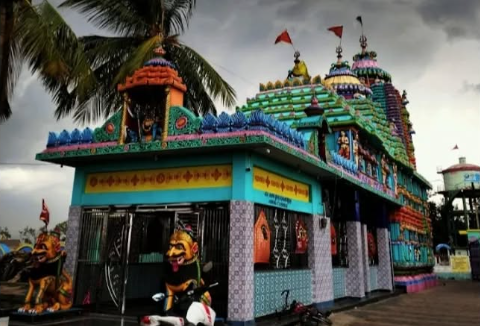
![Kali temple in Brahmapur, Ganjam, Odisha : A Guide To What To Know Before You Go [Updated-2025]](https://traveloinfo.com/wp-content/uploads/2025/06/Kali-temple-Brahmapur-872x547.jpg)
Kali temple Brahmapur : A Guide To What To Know Before You Go
Here’s your essential guide to visiting Kali Temple in Brahmapur (Berhampur), Odisha, covering everything from rituals to travel tips:
Location & Accessibility
-
Address: Near Gate Bazar, Brahmapur, Ganjam District, Odisha (not to be confused with Samarjhola’s Danda Kali Temple).
-
Landmark: Close to Berhampur Railway Station (~2 km) and Bus Stand (~1 km).
-
How to Reach:
-
Auto/Taxi: ₹50–100 from anywhere in Brahmapur.
-
Walkable from the city center.
-
Temple Significance
-
Deity: Goddess Kali in a milder form compared to Danda Kali.
-
Key Feature: A 100+ year-old temple with strong local devotion.
-
Festivals:
-
Kali Puja (Oct/Nov): Grand celebrations with fireworks.
-
Durga Puja: Huge processions and cultural events.
-
Temple Timings & Rituals
-
Opening Hours: 5:00 AM–12:00 PM | 4:00 PM–9:00 PM.
-
Aarti Timings:
-
Mangala Aarti: 5:30 AM (early morning).
-
Sandhya Aarti: 6:30 PM (evening).
-
-
Special Rituals:
-
Tantric Pujas: Rare but performed on request (ask priests).
-
Offerings: Coconut, flowers, and sweets (no animal sacrifices).
-
Dress Code & Etiquette
-
Modest Clothing: Avoid shorts, sleeveless tops (shoulders/knees covered).
-
Footwear: Remove before entering.
-
Photography: Allowed outside, but avoid snapping the sanctum without permission.
What to Expect Inside?
-
Main Idol: A black stone Kali idol adorned with gold jewelry and red hibiscus garlands.
-
Ambiance: Less intense than Danda Kali—more devotional than tantric.
-
Prasad: Distributed as sweets (ladoo) and fruits.
Nearby Attractions
-
Gopalpur Beach (15 km): Sunset views and seafood.
-
Tara Tarini Temple (30 km): Scenic hilltop Shakti Peetha.
-
Berhampur Market: Famous for silk ikat sarees and street food.
Travel Tips
-
Best Time to Visit: October–March (cool weather) or during festivals.
-
Avoid: Rush hours (7–9 AM, 6–8 PM) for a peaceful darshan.
-
Safety: Safe for solo travelers, but stay alert in crowded areas.
Where to Eat?
-
Temple Prasadalaya: Simple vegetarian meals.
-
Local Eateries: Try Dahibara Aloodum (near Kamapalli Square) or Chenna Poda (sweet).
Where to Stay?
-
Budget: Hotel Sidharth, Hotel Ashoka (₹800–1,500/night).
-
Mid-Range: Swosti Premium (₹2,500+/night).
This temple offers a balanced blend of devotion and culture—ideal for those seeking Kali’s blessings without the intensity of tantric rituals.
Kali temple Brahmapur Travel Guide and Tips
Kali Temple Brahmapur (Berhampur) – Complete Travel Guide & Essential Tips
Location & Accessibility
-
Address: Near Gate Bazar, Brahmapur (Berhampur), Odisha (easily accessible from the city center).
-
Nearest Landmarks:
-
Berhampur Railway Station (2 km, 5-min drive).
-
Berhampur Bus Stand (1 km, 10-min walk).
-
-
How to Reach:
-
By Auto/Taxi: ₹50–100 from anywhere in Brahmapur.
-
By Foot: Walkable from the main market area.
-
Temple Significance
-
Deity: Goddess Kali (less fierce than Danda Kali, more devotional).
-
History: A century-old temple, deeply revered by locals.
-
Best Time to Visit:
-
October–March (pleasant weather).
-
During Festivals:
-
Kali Puja (Oct/Nov, grand celebrations).
-
Durga Puja (Sept/Oct, vibrant processions).
-
-
Temple Timings & Rituals
-
Opening Hours: 5:00 AM–12:00 PM | 4:00 PM–9:00 PM.
-
Aarti Timings:
-
Morning (Mangala Aarti): 5:30 AM.
-
Evening (Sandhya Aarti): 6:30 PM.
-
-
Offerings: Coconuts, flowers, sweets (no animal sacrifices).
Visitor Guidelines
Dress Code: Cover shoulders & knees (avoid shorts/sleeveless).
Footwear: Remove before entering.
Photography: Allowed outside, but avoid inner sanctum pics without permission.
Silence: Maintain decorum—loud talking is discouraged.
Nearby Attractions
-
Gopalpur Beach (15 km) – Serene beach with seafood shacks.
-
Tara Tarini Temple (30 km) – Famous Shakti Peetha.
-
Berhampur Market – For silk ikat sarees & street food.
Food Options
-
Temple Prasad: Simple vegetarian meals (ladoo, fruits).
-
Local Eats: Try Dahibara Aloodum (spicy snack) or Chenna Poda (sweet).
Where to Stay?
-
Budget (₹800–1,500): Hotel Sidharth, Hotel Ashoka.
-
Mid-Range (₹2,500+): Swosti Premium.
Travel Tips
Avoid Rush Hours: 7–9 AM & 6–8 PM (crowded).
Carry Cash: For offerings & donations (no digital payments).
Festival Visits: Book stays early during Kali Puja/Durga Puja.
Ideal For: Spiritual seekers, cultural explorers, and Kali devotees.
About Kali temple Brahmapur Tourism
Kali Temple Brahmapur Tourism: A Complete Guide
Overview:
The Kali Temple in Brahmapur (Berhampur) is one of Odisha’s most significant spiritual landmarks, attracting devotees and tourists year-round. Unlike the more intense tantric Danda Kali Temple in Samarjhola, this temple offers a more traditional devotional experience while maintaining deep cultural roots in Shakta traditions.
Tourism Highlights:
-
Spiritual Tourism:
-
Daily aarti ceremonies with rhythmic chanting and bells
-
Special pujas during Kali Puja and Navratri
-
Peaceful meditation atmosphere in morning hours
-
-
Cultural Tourism:
-
Witness traditional Odia temple architecture
-
Experience local festivals with processions and cultural programs
-
Nearby artisan shops selling religious artifacts
-
-
Accessible Pilgrimage:
-
Centrally located in Brahmapur city
-
Well-connected by road and rail
-
Suitable for all age groups and solo travelers
-
Visitor Experience:
-
Morning visitors enjoy tranquil darshan with cool breezes
-
Evening visits feature lively aarti with devotional songs
-
Festival periods offer vibrant energy and special decorations
Tourism Infrastructure:
-
Clean restrooms and shoe storage facilities
-
Nearby parking for two-wheelers and cars
-
Multiple accommodation options within 2km radius
-
Tourist information center at Berhampur railway station
Best Visiting Times:
-
November-February: Pleasant weather (20-28°C)
-
October: Kali Puja celebrations
-
Early Mornings (5-7am): Least crowded
Unique Aspects:
-
Blend of traditional Odia and Bengali worship styles
-
Historical connection to Berhampur’s cultural heritage
-
Acts as spiritual hub before visiting more intense Shakti peethas
Tourist Tips:
-
Combine visit with Gopalpur beach trip
-
Bargain at nearby religious souvenir shops
-
Try local Mahaprasad after darshan
-
Hire local guides for historical insights
The temple’s central location makes it an ideal starting point for exploring Ganjam district’s spiritual circuit while offering a more accessible Kali worship experience compared to remote tantric temples. Its growing popularity reflects increased interest in Odisha’s Shakta traditions among domestic tourists.
Kali temple Brahmapur Tourism History
Kali Temple Brahmapur: Evolution of Tourism & Spiritual Significance
Early Beginnings (Pre-20th Century)
-
Established as a local shrine during the Maratha influence in Odisha
-
Primarily served Brahmapur’s Bengali merchant community
-
Simple structure with minimal tourist activity
Colonial Era Development (1900-1947)
-
Gained prominence as Berhampur became a key railway junction
-
British administrators documented temple in district gazetteers
-
Annual Kali Puja began attracting regional visitors
Post-Independence Growth (1950-1990)
-
1960s: Temple expansion to accommodate growing devotees
-
1975: First tourist guidebook mention in “Odisha Pilgrimage Circuits”
-
1980s: Became stopover for Chilika-bound tourists
Tourism Boom (1990-Present)
-
1992: Featured in Odisha Tourism’s “Shakti Peetha Circuit”
-
2005: Road development improved accessibility
-
2010: Included in Berhampur Heritage Walk
-
2018: Night illumination project enhanced visitor experience
Key Tourism Milestones
-
2003: First organized tourist groups from Kolkata
-
2015: Temple included in Gopalpur-Berhampur tourist maps
-
2020: QR code information plaques installed
Factors Driving Tourism Growth
-
Improved Connectivity
-
Upgradation of NH16
-
Berhampur railway station development
-
-
Cultural Promotion
-
State tourism department festivals
-
Berhampur Mahotsav inclusion
-
-
Spiritual Tourism Trend
-
Rising interest in Shakta traditions
-
Proximity to Tara Tarini Temple
-
Current Tourism Profile
-
Annual Visitors: ~50,000 (30% tourists, 70% devotees)
-
Peak Seasons:
-
October-November (Durga Puja/Kali Puja)
-
December-January (Winter holidays)
-
Visitor Demographics
-
60% Domestic (Odisha, West Bengal, Andhra)
-
40% International (NRI devotees, cultural tourists)
Unique Tourism Aspects
-
Morning “Shakti Darshan” ritual for tourists
-
Annual “Kali Katha” storytelling sessions
-
Temple museum showcasing historical artifacts
The temple’s tourism evolution mirrors Berhampur’s growth from a trading town to a cultural hub, offering visitors a blend of spiritual energy and urban convenience.
History of Kali temple Brahmapur
History of Kali Temple, Brahmapur (Berhampur), Odisha
The Kali Temple in Brahmapur (officially Berhampur) is one of the most revered Shakti shrines in southern Odisha. Its history is deeply intertwined with the region’s cultural, religious, and socio-political evolution. Below is a detailed account of its origins and development:
1. Early Origins (Pre-19th Century)
-
Local Legends: The temple is believed to have been established by Bengali traders and devotees who settled in Berhampur during the Maratha rule (late 18th century). The deity was initially worshipped in a small shrine.
-
Tantric Influence: Unlike the fierce Danda Kali of Samarjhola, this temple’s Kali is worshipped in a more benevolent form, influenced by Bengali Shakta traditions.
-
Folk Beliefs: Some oral traditions suggest the idol was discovered in a nearby forest and installed by a wandering sadhu.
2. Colonial Era (19th–Early 20th Century)
-
British Records: The temple gained prominence in the mid-1800s when Berhampur became a key commercial and military hub under British rule.
-
Railway Connection: With the establishment of Berhampur Railway Station (1900s), pilgrims from Bengal and Andhra began visiting.
-
Kali Puja Celebrations: The annual Kali Puja became a major event, attracting devotees from across the region.
3. Post-Independence Growth (1950s–1990s)
-
Temple Renovation: The original mud-and-brick structure was rebuilt in the 1960s with stone and concrete, giving it its current form.
-
Expanding Influence: As Berhampur grew into a major city, the temple became a central religious landmark.
-
Cultural Integration: The temple began hosting Durga Puja alongside Kali Puja, reflecting the Bengali-Odia cultural synthesis.
4. Modern Era (2000s–Present)
-
Tourism Boom: Recognized by the Odisha Tourism Department, the temple was included in the “Shakti Peetha Circuit” (2010s).
-
Infrastructure Upgrades:
-
Night Illumination (2018) enhanced its visual appeal.
-
Tourist-friendly amenities (shoe stands, information boards) were added.
-
-
Festival Tourism: The temple now attracts thousands during Kali Puja and Navratri, with cultural performances and processions.
Key Historical Milestones
| Period | Development |
|---|---|
| 18th Century | Small shrine established by Bengali traders |
| Mid-1800s | Gained prominence under British rule |
| 1960s | Rebuilt into a concrete structure |
| 2000s | Included in Odisha’s spiritual tourism circuit |
| 2018 | Illumination project & tourist upgrades |
Architectural Evolution
-
Early Structure: Simple thatched roof with a clay idol.
-
Current Design: Traditional Kalinga-style architecture with a red-and-white façade, a raised sanctum, and a mandapa (hall).
Cultural & Religious Significance
-
Syncretic Worship: Blends Odia and Bengali traditions (e.g., Odia-style Bhog and Bengali-style Kali Puja).
-
Spiritual Hub: Acts as a gateway to southern Odisha’s Shakti temples (Tara Tarini, Danda Kali).
-
Local Identity: The temple is central to Berhampur’s religious and social life, hosting weddings, festivals, and community events.
The Kali Temple of Brahmapur is more than just a place of worship—it reflects the historical and cultural fusion of Odisha. From its humble beginnings as a traders’ shrine to its current status as a tourist-spiritual hotspot, it remains a living testament to the region’s enduring devotion to Shakti.
Kali temple Brahmapur Tours
Kali Temple Brahmapur (Berhampur) Tours – A Complete Guide
The Kali Temple in Brahmapur (Berhampur) is a major spiritual and cultural attraction in Odisha. Whether you’re a devotee, a cultural explorer, or a tourist, here’s everything you need to know about tours, itineraries, and experiences at this historic temple.
Types of Tours Available
1. Spiritual & Pilgrimage Tours
For: Devotees seeking blessings & spiritual experiences.
Highlights:
Guided darshan with temple priests
Special pujas (e.g., Kali Puja, Navratri)
Prasad & offerings (coconut, flowers, sweets)
Duration: 1-2 hours (short visit)
2. Cultural & Heritage Tours
For: History lovers & cultural tourists.
Highlights:
Learn temple history from local guides
Explore Berhampur’s Bengali-Odia heritage
Visit nearby markets for silk & handicrafts
Duration: Half-day (3-4 hours)
3. Festival & Event Tours
For: Those wanting to experience grand celebrations.
Best Time:
-
Kali Puja (Oct/Nov) – Fireworks, night aarti
-
Durga Puja (Sept/Oct) – Massive pandals & processions
Tour Includes:
VIP darshan access
Cultural performances (dance, music)
4. Combined Ganjam District Tours
For: Travelers exploring beyond Berhampur.
Itinerary Example:
-
Morning: Kali Temple Brahmapur
-
Afternoon: Gopalpur Beach (15 km)
-
Evening: Tara Tarini Temple (30 km)
Tour Operators: Odisha Tourism & private agencies.
How to Reach the Temple
-
From Berhampur Railway Station: 5-min auto ride (₹50-80).
-
From Bhubaneswar: 3-hour drive (180 km via NH16).
-
From Gopalpur Beach: 30-min taxi ride (15 km).
Sample Itineraries
Option 1: Half-Day Spiritual Tour
-
6:00 AM: Arrive for Mangala Aarti (morning ritual).
-
7:00 AM: Darshan & offerings.
-
8:00 AM: Breakfast at nearby eateries (try Dahibara Aloodum).
-
9:00 AM: Explore Berhampur Market (silk shopping).
Option 2: Full-Day Berhampur Heritage Tour
-
Morning: Kali Temple + Silk Market
-
Afternoon: Lunch at a local Odia restaurant
-
Evening: Visit Gopalpur Beach for sunset
Tour Costs & Budgeting
| Tour Type | Approx. Cost (Per Person) |
|---|---|
| Self-Guided Visit | ₹100-300 (offerings + auto fare) |
| Guided Temple Tour | ₹500-1,000 (with priest explanation) |
| Full-Day Berhampur Tour | ₹2,000-3,500 (incl. transport & guide) |
| Festival Special Tour | ₹1,500+ (VIP access, cultural shows) |
Booking & Travel Tips
Best Time to Visit: Early morning (5-7 AM) for peaceful darshan.
Dress Code: Modest clothing (avoid shorts/sleeveless).
Photography: Allowed outside, restricted near sanctum.
Local Guides: Available near the temple entrance.
Why Take a Guided Tour?
-
Skip long queues during festivals.
-
Learn hidden stories from priests & historians.
-
Discover nearby attractions (markets, beaches, other temples).
The Kali Temple Brahmapur is a must-visit for spiritual seekers and culture lovers. Whether you want a quick darshan or a full-day tour, it offers a rich blend of devotion and heritage.
Kali temple Brahmapur Information
Kali Temple Brahmapur (Berhampur) – Complete Visitor Information Guide
Location & Accessibility
-
Address: Gate Bazar, Brahmapur, Ganjam District, Odisha (city center location)
-
Nearest Landmarks:
-
500m from Berhampur Railway Station
-
1km from Bus Stand
-
-
GPS Coordinates: 19.3165° N, 84.7940° E
Temple Profile
-
Primary Deity: Goddess Kali (Shyamakali form)
-
Affiliation: Shakta Tradition (Goddess Worship)
-
Temple Age: ~200 years (early 19th century establishment)
-
Architecture: Traditional Kalinga style with Bengali influences
Darshan Timings & Rituals
-
Opening Hours:
-
Summer: 4:30 AM – 12:30 PM | 3:30 PM – 9:30 PM
-
Winter: 5:00 AM – 12:00 PM | 4:00 PM – 9:00 PM
-
-
Key Rituals:
-
Mangala Arati: 5:00 AM (summer)/5:30 AM (winter)
-
Sandhya Arati: 6:30 PM (with conch blowing)
-
Bhog Offering: 12:00 PM daily
-
Worship & Offerings
-
Standard Offerings:
-
Coconut (₹10-20)
-
Red Hibiscus Flowers (₹5-10)
-
Sandalwood paste (₹5 per packet)
-
-
Special Pujas:
-
Kali Sahasranama Archana (₹500)
-
Tantric Puja (by appointment only)
-
Transportation Options
| Mode | Details | Cost (Approx.) |
|---|---|---|
| Auto | From Railway Station | ₹30-50 |
| Taxi | From Gopalpur Beach | ₹300-400 |
| Bus | City Bus Route 12 | ₹10 |
Nearby Accommodation
-
Budget (₹500-1000):
-
Hotel Sidharth (800m)
-
Yatri Nivas (1km)
-
-
Mid-Range (₹1500-3000):
-
Swosti Premium (1.5km)
-
Hotel Nandan (2km)
-
Food Options
-
Temple Prasadam:
-
Free noon meal (12:30-2:00 PM)
-
Evening khichdi (7:00-7:30 PM)
-
-
Local Eateries:
-
Durga Bhojanalaya (vegetarian thali ₹80)
-
Sea Shell Restaurant (non-veg, 1km)
-
Cultural Significance
-
Annual Kali Puja celebration draws 50,000+ devotees
-
Featured in Odisha Tourism’s “Golden Triangle” (Brahmapur-Puri-Konark)
-
Important stop for Bengali pilgrims enroute to Tara Tarini
Visitor Guidelines
-
Dress Code: Shoulders/knees covered (shawls available for rent ₹20)
-
Prohibited Items: Leather goods, alcohol, tobacco
-
Security: Bag checks at entrance
Best Visiting Times
-
Weather-wise: November-February
-
Time-wise: 5:00-7:00 AM for peaceful darshan
-
Festivals:
-
Kali Puja (October/November)
-
Navratri (September/October)
-
Additional Facilities
-
Free drinking water (RO purified)
-
Shoe storage (₹5 per pair)
-
Temple office for inquiries (7AM-7PM)
This comprehensive guide provides all essential information for pilgrims and tourists visiting the historic Kali Temple in Brahmapur. The temple’s central location makes it easily accessible while maintaining its spiritual ambiance amidst urban surroundings.
Interesting things to visits near Kali temple Brahmapur
Here are the most interesting places to visit near Kali Temple Brahmapur, offering a perfect blend of spirituality, history, nature, and local culture:
1. Gopalpur Beach (15 km)
Why Visit?
-
Historic British-era lighthouse with panoramic sea views
-
Serene golden sands perfect for sunrise/sunset
-
Water sports (seasonal): Jet skiing, banana boat rides
-
Fresh seafood shacks serving tiger prawns and crab masala
Tip: Visit the abandoned Dutch port ruins near the beach
2. Tara Tarini Temple (30 km)
Why Visit?
-
One of Odisha’s 4 Adi Shakti Peethas
-
Stunning hilltop location with ropeway access
-
Unique twin goddess idol worship
-
Spectacular views of Rushikulya River
Best Time: Early morning to avoid crowds
3. Berhampur Silk Market (1 km)
Why Visit?
-
Famous for Berhampuri Patta (ikat) silk sarees
-
Watch artisans create traditional handloom textiles
-
Bargain for authentic Odisha handicrafts
-
Try local street food while shopping
Must-Buy: Authentic GI-tagged Berhampur silk
4. Khallikote Palace (25 km)
Why Visit?
-
Former royal residence of Khallikote kings
-
Blend of Odishan and European architecture
-
Rare collection of ancient palm-leaf manuscripts
-
Beautifully maintained gardens
Timings: 9AM-5PM (Closed Mondays)
5. Taptapani Hot Springs (70 km)
Why Visit?
-
Natural sulfur springs with therapeutic properties
-
Surrounded by lush forests and wildlife
-
Nearby deer park and nature trails
-
Perfect relaxation after temple visits
Healing Tip: The water is believed to cure skin ailments
6. Chatrapur (20 km)
Why Visit?
-
Ancient Buddhist heritage sites
-
Traditional bell metal craft workshops
-
Weekly tribal markets (haats)
-
Authentic Odia village experience
Market Day: Every Thursday
7. Chilika Lake (60 km)
Why Visit?
-
Asia’s largest brackish water lagoon
-
Dolphin sightings near Satapada
-
Birdwatching (Nov-Feb): Migratory birds
-
Kalijai Temple on island
Boat Tip: Take the 9AM cruise for best dolphin sightings
8. Buguda Patachitra Village (35 km)
Why Visit?
-
Center of traditional Odisha scroll painting
-
Watch artists create intricate pattachitra
-
Learn about ancient painting techniques
-
Buy authentic souvenirs directly from artists
Workshop: Can arrange live demonstrations
9. Rushikulya River Mouth (40 km)
Why Visit?
-
Olive Ridley turtle nesting site (Feb-April)
-
Pristine, undeveloped beach
-
Excellent for nature photography
-
Peaceful sunrise views
Conservation: Volunteer for turtle protection programs
10. Berhampur Food Trail
Must-Try Local Delicacies:
-
Gupchup (Pani Puri with tangy tamarind water)
-
Dahibara Aloodum (at Kamapalli Square)
-
Chenna Poda (baked cheese dessert)
-
Prawn Pakhal (fermented rice with seafood)
Foodie Tip: Try the street food near Gate Bazar after temple visit
Suggested Itineraries
Half-Day Spiritual Circuit:
Kali Temple → Silk Market → Local Lunch → Gopalpur Beach Sunset
Full-Day Explorer:
Morning: Kali Temple + Tara Tarini
Afternoon: Chilika Lake Cruise
Evening: Berhampur Food Trail
2-Day Cultural Immersion:
Day 1: Temples + Silk Market
Day 2: Patachitra Village + Khallikote Palace + Beach
Transportation Tips
-
Auto/Taxi: Most economical for local travel
-
Bike Rental: ₹300/day for independent exploration
-
Guided Tours: Available from Berhampur hotels
Best Visiting Times
-
November-February: Pleasant weather
-
October: During Durga/Kali Puja festivals
-
Early Mornings: Beat the heat and crowds
Each of these destinations offers a unique perspective on Ganjam district’s rich cultural heritage, making them perfect complements to your Kali Temple visit. Whether you’re interested in history, nature, shopping or food, there’s something for every traveler within easy reach of Brahmapur.
What To Expect Inside Kali temple Brahmapur
What to Expect Inside Kali Temple Brahmapur: A Detailed Guide
1. Sanctum Sanctorum (Garbhagriha)
-
The Main Idol: A striking black stone idol of Goddess Kali in her Shyamakali form (less fierce than Danda Kali), adorned with:
-
Golden crown and jewelry
-
Red hibiscus garlands
-
Traditional white and red vermilion markings
-
-
Ambiance: Dimly lit with oil lamps, creating a mystical atmosphere
-
Unique Feature: The idol stands on a silver lotus pedestal (uncommon in Kali temples)
2. Daily Rituals & Worship
-
Morning (5:00 AM):
-
Mangala Arati with conch blowing and bells
-
Abhishekam (ritual bathing) with milk and honey
-
-
Noon (12:00 PM):
-
Bhog offering (vegetarian food to the goddess)
-
Distribution of prasad (typically khichdi or sweet pongal)
-
-
Evening (6:30 PM):
-
Grand Sandhya Arati with devotional songs
-
Deeparadhana (waving of lamps)
-
3. Temple Architecture Highlights
-
Mandapa (Hall):
-
Intricately carved pillars depicting Durga’s victories
-
Beautifully painted ceiling with astrological symbols
-
-
Vahana Corner:
-
Miniature silver lion and tiger vehicles
-
Used during processions
-
-
Sacred Kalash:
-
Ornamented water pot atop the sanctum
-
Changed annually in a special ceremony
-
4. Special Puja Areas
-
Navagraha Shrine:
-
Nine planetary deities shrine
-
Special pujas conducted on Saturdays
-
-
Bhairav Temple:
-
Fierce guardian deity shrine
-
Where tantric rituals are performed
-
-
Yagna Shala:
-
Sacred fire pit for homas
-
Used during festivals
-
5. Visitor Experience
-
Darshan Queue:
-
Usually 15-30 minute wait
-
Separate lines for men/women during peak hours
-
-
Priest Interactions:
-
Will apply tilak (forehead mark)
-
Can perform quick personalized pujas (₹50-100)
-
-
Prasad Distribution:
-
Sweet ladoo or fruit
-
Served on banana leaves
-
6. Unique Features
-
The Silver Door:
-
Ornate silver-plated entrance to sanctum
-
Only opened during arati
-
-
Sacred Bell:
-
Giant brass bell at entrance
-
Devotees ring before entering
-
-
Wish-Fulfilling Tree:
-
Ancient banyan in courtyard
-
Tie red threads for wishes
-
7. Festival Specials
-
Kali Puja (Oct/Nov):
-
Midnight arati with 108 lamps
-
Special blue-colored idol decoration
-
-
Navratri (Sept/Oct):
-
Continuous chanting of Devi Mahatmya
-
Kumari Puja (worship of young girls as goddess)
-
8. Practical Information
-
Photography Rules:
-
Allowed in courtyard
-
Prohibited near sanctum
-
-
Security:
-
Bag checks at entrance
-
Shoe storage available (₹5)
-
-
Facilities:
-
Drinking water stations
-
Clean restrooms (west side)
-
9. Cultural Nuances
-
Local Customs:
-
Circumambulate clockwise
-
Women traditionally offer sindoor
-
-
Taboos:
-
Never point feet toward deity
-
Avoid back-turning exit
-
10. Spiritual Significance
-
Believed Benefits:
-
Protection from evil eye
-
Fulfillment of sincere wishes
-
Relief from planetary afflictions
-
-
Special Days:
-
Tuesdays/Saturdays most auspicious
-
Amavasya (new moon) powerful for prayers
-
The Kali Temple Brahmapur offers a more serene worship experience compared to tantric Kali temples, while maintaining deep spiritual energy. The organized darshan system and beautiful traditional architecture make it accessible yet profoundly sacred. Morning visits provide the most tranquil experience, while evenings showcase vibrant rituals.
![Shiv Temple, Ghansoli, Navi Mumbai [Updated-2026]](https://traveloinfo.com/wp-content/uploads/2026/07/nerul.jpg)
![Hanuman Temple, Kharghar [Updated-2026]](https://traveloinfo.com/wp-content/uploads/2026/07/HANUMAN.jpg)
![Best Places to Visit in Shirdi, Ahmadnagar, Maharashtra [Updated-2025]](https://traveloinfo.com/wp-content/uploads/2025/05/Shirdi_Sai_Temple.jpg)
![Maa Mahuri Kalua Temple in Banthapalli, Berhampur, Ganjam, odisha: A Guide To What To Know Before You Go [Updated-2025]](https://traveloinfo.com/wp-content/uploads/2025/06/mahurikalua13.jpg)
![Sri Baba Bateswar Temple : A Guide To What To Know Before You Go [Updated-2025]](https://traveloinfo.com/wp-content/uploads/2025/06/Sri-Baba-Bateswar-Temple1.jpg)
![Maa Tara Tarini Temple: A Guide To What To Know Before You Go [Updated-2025]](https://traveloinfo.com/wp-content/uploads/2025/06/tara4.jpg)