
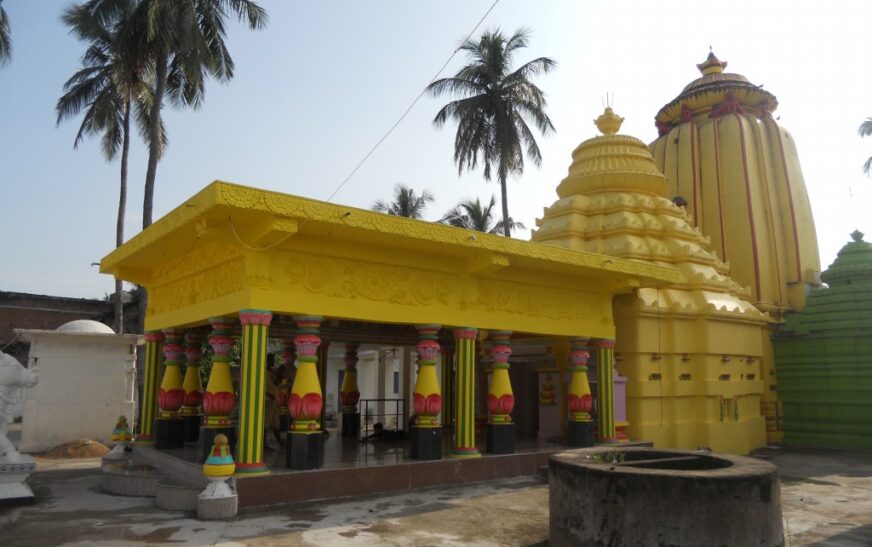
![Ghodeisuni Temple Hinjulu kattu (Hinjalicut), Ganjam, Odisha : A Guide To What To Know Before You Go [Updated-2025]](https://traveloinfo.com/wp-content/uploads/2025/06/Ghodeisuni-Temple.png)
Ghodeisuni Temple Hinjulu kattu (Hinjalicut), Ganjam, Odisha : A Guide To What To Know Before You Go
Here’s a comprehensive guide to Ghodeisuni Temple, Odisha, covering everything you need to know before visiting this mystical cave shrine:
Location & Significance
-
Where: Near Barpali (Beside the Tel River), Bargarh district, Western Odisha (~380km from Bhubaneswar).
-
Deity: Primarily dedicated to Goddess Ghodeisuni (a fierce form of Maa Durga/Kali), worshipped alongside Lord Shiva.
-
Unique Feature: A natural cave temple where the goddess is believed to self-manifest (swayambhu). Locals revere it for tantric rituals and wish fulfillment.
How to Reach?
-
Nearest Town: Barpali (~15km), Bargarh (~50km).
-
By Train: Barpali Railway Station (3km) or Bargarh Road Station (50km).
-
By Road: Well-connected via NH53. Buses/autos available from Bargarh.
-
By Air: Nearest airport is Jharsuguda (~110km) or Sambalpur (~80km).
Best Time to Visit
-
Ideal Months: October–March (pleasant weather).
-
Festivals:
-
Durga Puja (grand celebrations, animal sacrifices*).
-
Shivaratri (special rituals for Shiva).
-
Chaitra Parva (tribal dance festivals nearby).
-
*Note: Sacrifices are traditional but may be symbolic in modern times.
-
Temple Layout & Rituals
-
Cave Sanctum:
-
Dark, narrow entrance leading to the natural rock idol of Ghodeisuni (covered in vermillion/sindoor).
-
A Shivalinga sits beside the goddess (symbolizing Shakti-Shiva union).
-
-
Outer Complex:
-
Small shrines for Ganesha, Hanuman, and local deities.
-
A sacred pond for ritual cleansing.
-
-
Offerings:
-
Red cloth, coconuts, liquor (mahua), and bangles (common for tantric rites).
-
Animal sacrifices (bali) were traditional (now rare; check current practices).
-
Legends & Beliefs
-
Tantric Site: Believed to be a Siddha Peetha where tantrics (aghoris) perform rituals.
-
Horse Legend: Locals say the goddess rides a ghostly horse at night (Ghodeisuni = “Horse Rider”).
-
Wish Fulfillment: Devotees tie threads on trees for boons.
Things to Note
-
No formal priests: Local tribal priests (Dehuri) conduct rituals.
-
Cave Access: The inner cave is cramped—not suitable for claustrophobic visitors.
-
Photography: Restricted inside cave; ask permission.
-
Dress Code: Modest clothing (avoid leather items).
Nearby Attractions
-
Nrusinghanath Temple (70km): Famous for its waterfall and Shiva shrine.
-
Hirakud Dam (90km): Scenic reservoir.
-
Debrigarh Wildlife Sanctuary (100km): Leopards, sloth bears.
Food & Stay
-
Eat: Local dhabas serve pakhal bhat (fermented rice) and mudhi mansa (puffed rice with mutton).
-
Stay: Basic lodges in Barpali/Bargarh; no luxury options.
Tips
Carry a torch (cave is dimly lit).
Visit early morning to avoid crowds.
Respect local customs—avoid skepticism about rituals.
Ghodeisuni Temple Travel Guide and Tips
Here’s your ultimate travel guide to Ghodeisuni Temple, Odisha, with essential tips for a smooth pilgrimage:
Why Visit Ghodeisuni Temple?
-
A rare cave shrine blending tribal tantric traditions with mainstream Hinduism.
-
Powerful deity: Goddess Ghodeisuni (a fierce form of Kali/Durga) worshipped alongside Lord Shiva.
-
Mystical aura: Known for wish fulfillment and tantric rituals (though now mostly symbolic).
Exact Location & Accessibility
-
Address: Ghodeisuni Pitha, Near Barpali, Bargarh District, Odisha (Pin: 768029)
-
Nearest Landmarks:
-
3km from Tel River
-
15km from Barpali town
-
-
GPS Coordinates: 21.1906° N, 83.5874° E
How to Reach?
| Mode | Route Details |
|---|---|
| By Air | Jharsuguda Airport (110km) → Taxi to temple (~2.5hrs) |
| By Train | Barpali Railway Station (3km) or Bargarh Road (50km) → Auto/taxi |
| By Road | From Sambalpur: NH53 → Barpali → Ghodeisuni (80km, 2hrs) |
Temple Timings & Best Time to Visit
-
Opening Hours: 6:00 AM – 8:00 PM (may extend during festivals)
-
Ideal Season: Oct-Mar (cool weather; avoid monsoon floods)
-
Festive Peak:
-
Durga Puja (Oct)
-
Shivaratri (Feb/Mar)
-
Chaitra Parva (Apr, tribal dance festivals)
-
Temple Rituals & Offerings
-
Darshan: Crawl through a narrow cave entrance to see the self-manifested (swayambhu) goddess idol.
-
Pujas:
-
Mangala Aarti (early morning)
-
Sandhya Aarti (evening)
-
-
Offerings:
-
Traditional: Coconuts, red cloth, bangles, mahua liquor
-
Modern: Flowers, incense, sweets (animal sacrifices now rare)
-
What to Carry?
-
Must-Haves:
-
Torch/flashlight (cave is dark)
-
Cash (no digital payments)
-
Water bottle (limited shops nearby)
-
-
Optional:
-
Red cloth/chunri for offering
-
Portable stool (elderly visitors)
-
Important Tips
-
Dress Code: Wear comfortable, modest clothing (avoid shorts/sleeveless).
-
Footwear: Remove before entering cave (carry a bag to store shoes).
-
Photography: Strictly prohibited inside sanctum; ask before clicking elsewhere.
-
Safety: Cave has low ceilings—watch your head!
Where to Stay?
| Option | Distance | Details |
|---|---|---|
| Barpali Lodges | 15km | Basic hotels (~₹500-800/night) |
| Bargarh Hotels | 50km | Mid-range (₹1000-2000/night) |
| Homestays | Nearby villages | Tribal hospitality (book in advance) |
Food Options
-
Temple Prasad: Simple khichdi or puffed rice.
-
Local Eateries: Try Odia staples like pakhal bhat (fermented rice) or chenna poda (caramelized cheesecake).
-
Carry Snacks: Limited vegetarian options near temple.
Nearby Attractions
-
Nrusinghanath Temple (70km): Waterfall + ancient Shiva shrine.
-
Hirakud Dam (90km): Sunset boat rides.
-
Debrigarh Wildlife Sanctuary (100km): Safari for leopards & birds.
Legend & Cultural Insight
-
Horse Rider Goddess: Locals believe the goddess rides a ghostly horse at night (Ghodeisuni = “horse rider”).
-
Tantric Past: Once a site for aghoris (tantric sadhus); now rituals are simplified.
What to Avoid?
-
Visiting during peak afternoon heat (cave gets stuffy).
-
Disrespecting local customs (e.g., mocking rituals).
-
Littering (the cave is ecologically fragile).
Tip
Arrive before 8 AM to avoid crowds and experience the morning mist over the Tel River—a magical sight
About Ghodeisuni Temple Tourism
Here’s a comprehensive overview of Ghodeisuni Temple Tourism, combining spiritual significance, travel logistics, and cultural insights for visitors:
Why Ghodeisuni Temple is Unique
-
Tantric Heritage: One of Odisha’s few surviving active tantric shrines, where Goddess Ghodeisuni (a fierce Kali/Durga form) is worshipped with ancient rituals.
-
Natural Cave Setting: The deity resides in a narrow, mystical cave with a self-manifested (swayambhu) idol, exuding raw spiritual energy.
-
Tribal-Hindu Fusion: Blends tribal traditions (like Dehuri priests) with mainstream Hinduism, offering a rare cultural experience.
Tourism Trends & Visitor Profile
-
Pilgrims: 70% (devotees seeking blessings for health/wealth).
-
Adventure Tourists: 20% (cave exploration, nearby trekking).
-
Cultural Enthusiasts: 10% (studying tantric practices/tribal rituals).
How Tourism is Developing
-
Infrastructure:
-
Improved roads from Bargarh/Barpali (2023).
-
Basic guesthouses now available near the temple.
-
-
Guided Tours:
-
Local guides offer mythology walks (₹200-500).
-
Bargarh-based tour operators include Ghodeisuni in Odisha’s “Shakti Peetha Circuit”.
-
-
Festival Tourism:
-
Durga Puja and Shivaratri attract 5,000+ visitors.
-
Challenges in Tourism
-
Accessibility: No direct public transport; private vehicles needed.
-
Facilities: Limited toilets/rest areas near the cave.
-
Cultural Sensitivity: Some rituals (e.g., historic animal sacrifices) may unsettle tourists.
Responsible Tourism Tips
Support Local: Buy offerings (coconuts, cloth) from village vendors.
Eco-Friendly: Avoid plastic; the cave area is pristine.
Respect Rituals: Observe silently, even if unfamiliar.
Sample Itinerary
Day 1:
-
AM: Explore Ghodeisuni Cave + Tel River.
-
PM: Visit Nrusinghanath Temple (70km).
Day 2: -
AM: Debrigarh Wildlife Safari (100km).
-
PM: Hirakud Dam Sunset (90km).
Instagrammable Spots
-
Cave Entrance: Dramatic shadow play at sunrise.
-
Tel Riverbanks: Golden-hour reflections.
-
Festival Decor: Goddess adorned with red chunris.
Future Prospects
Plan: Odisha Tourism aims to add interpretation boards (myths/history) and a visitor center.
Ghodeisuni is for the intrepid traveler—where spirituality meets raw, untamed nature. Pack curiosity and respect
Ghodeisuni Temple Tourism History
Ghodeisuni Temple: A Journey Through Its Tourism History
The Ghodeisuni Temple in Odisha’s Bargarh district is more than just a spiritual site—it’s a living archive of tribal traditions, tantric practices, and evolving pilgrimage tourism. Here’s a deep dive into its tourism history and how it transformed from a hidden cave shrine to a recognized spiritual destination.
Early History (Pre-20th Century)
1. Tribal & Tantric Origins
-
Believed to be ancient, with roots in tribal worship (likely Gond/Binjhal tribes).
-
The cave was a tantric Siddha Peetha—used by Aghori sadhus for secret rituals.
-
No formal structure—worship centered around the natural rock idol of Goddess Ghodeisuni (a fierce Kali/Durga form).
2. Local Legends & Horse Rider Myth
-
The name “Ghodeisuni” (Horse Rider) comes from folklore:
-
Villagers claimed the goddess rode a ghostly horse at night, protecting the land.
-
Some say animal sacrifices (historically, goats) were made to appease her.
-
Colonial Era (Early 1900s)
-
British administrators documented it as a “tribal deity site” but ignored its religious significance.
-
No tourism—only local tribal devotees and wandering ascetics visited.
-
No roads—access was through forest paths near the Tel River.
Post-Independence (1950s–1990s)
1. Slow Recognition
-
The temple remained obscure, known only in Western Odisha.
-
No infrastructure—pilgrims walked barefoot through rough terrain.
2. First Steps in Tourism
-
1980s: Local priests (Dehuri families) began organizing small Durga Puja celebrations.
-
1990s: Odisha Archaeology took note, but no restoration efforts were made.
Modern Tourism Boom (2000–Present)
1. Road Connectivity (2010s)
-
NH53 expansion made Bargarh/Barpali more accessible.
-
Auto-rickshaws & taxis started ferrying pilgrims from Barpali (15km).
2. Media & Digital Exposure (2015–2020)
-
YouTube vloggers and travel bloggers featured the temple’s cave mystery.
-
Instagram buzz grew due to its “offbeat” vibe.
3. Government & Tourism Push (2020–Present)
-
Included in Odisha’s “Shakti Peetha Circuit” (2022).
-
Basic facilities added:
-
Parking area near the cave.
-
Small stalls for prasad/water.
-
-
Festivals now attract 5,000+ visitors (Durga Puja, Shivaratri).
Tourism Growth Timeline
| Decade | Key Developments |
|---|---|
| Pre-1900s | Tribal worship, tantric rituals |
| 1900–1947 | Ignored by British rulers |
| 1950–1990 | Local pilgrim footfall begins |
| 2000–2010 | Road access improves |
| 2015–2020 | Social media discovery |
| 2020–2024 | Govt. promotes it as a spiritual-adventure site |
Future of Ghodeisuni Tourism
-
2025 Plan: Odisha Tourism may add:
-
Visitor center with myth displays.
-
Eco-friendly pathways to the cave.
-
Guided tribal heritage tours.
-
-
Challenges:
-
Balancing tourism vs. tradition (avoiding over-commercialization).
-
Preserving the cave’s natural sanctity.
-
Ghodeisuni Temple Tours
Here’s your complete guide to Ghodeisuni Temple tours, covering everything from spiritual journeys to adventure-packed itineraries:
1. Spiritual Pilgrimage Tour
Best For: Devotees & culture seekers
Duration: 1-2 Days
Route:
-
Day 1:
-
Sunrise darshan at Ghodeisuni Cave
-
Tel River ritual bath
-
Participate in evening aarti
-
-
Day 2 (Optional):
-
Visit Nrusinghanath Temple (70km) for Shiva darshan
-
Explore Harishankar Temple (85km)
-
Unique Experience:
-
Witness Dehuri priests perform ancient tantric rituals (with permission)
-
Tie a red thread on the sacred tree for wishes
2. Tribal & Tantric Heritage Tour
Best For: Anthropologists & offbeat travelers
Duration: 2-3 Days
Highlights:
-
Meet local Gond/Binjhal tribe artisans
-
Learn about historic animal sacrifice traditions (now symbolic)
-
Night storytelling session about the ghost horse legend
Stay: Tribal homestays in Barpali (~₹500/night)
3. Adventure Cave Expedition
Best For: Thrill-seekers
Duration: 1 Day
Must-Do:
-
Crawl through the narrow 20m cave passage (torch required)
-
Cliffside photography at Tel River viewpoint
-
Optional: Night visit for brave souls (arrange with local guides)
Safety Tip: Wear knee pads – the cave has sharp rocks!
4. Festival Special Tours
Best Events:
| Festival | Month | Special Attraction |
|---|---|---|
| Durga Puja | Oct | Midnight fire rituals |
| Shivaratri | Feb-Mar | 1,000+ lamp ceremony |
| Chaitra Parva | Apr | Tribal dance performances |
Tip: Book homestays 3 months early for festival dates!
5. Western Odisha Temple Circuit (5-Day Tour)
Route Map:
-
Day 1: Ghodeisuni Cave
-
Day 2: Nrusinghanath Temple (waterfall trek)
-
Day 3: Harishankar Temple (hilltop views)
-
Day 4: Huma Temple (leaning Shiva)
-
Day 5: Samaleswari Temple, Sambalpur
Cost: ~₹8,000/person (including jeep rental)
Tour Booking Options
| Type | Price Range | Contact |
|---|---|---|
| Local Guides | ₹500-1000/day | Ask at Barpali bus stand |
| Bargarh Travel Agencies | ₹3000-5000/packaged | Try “Odisha Spiritual Tours” |
| DIY Solo Trip | ₹1500-2000 | Rent bike in Bargarh (~₹400/day) |
Essential Tour Tips
Best Time: Oct-Mar (avoid monsoon cave floods)
Must-Carry:
-
Flashlight + power bank
-
Cash (no ATMs near temple)
-
Offerings: Red cloth, coconuts
Dress Code: -
Women: Saree/dupatta (no shorts)
-
Men: Dhoti/kurta preferred
Hidden Gem Alert
Few know about the secret meditation spot behind the cave – ask priests quietly to show you!
Ghodeisuni Temple Information
Here’s a comprehensive guide to Ghodeisuni Temple, covering its spiritual significance, unique features, and practical visitor information:
Basic Overview
-
Location: Near Barpali, Bargarh District, Odisha (15km from Barpali town)
-
Deity: Goddess Ghodeisuni (fierce form of Kali/Durga) + Lord Shiva as companion deity
-
Type: Natural cave temple with tribal-tantric roots
-
Unique Claim: Believed to be a Siddha Peetha (tantric power center)
Mythological Significance
-
Legend 1: The goddess appeared as a horse-riding protector (hence “Ghodeisuni” = Horse Rider)
-
Legend 2: Local tribes say the cave was discovered when a mysterious white horse led a shepherd to it
-
Tantric Connection: Historically used by Aghori sadhus for secret rituals
Temple Architecture
-
Cave Structure:
-
Narrow 20-meter tunnel leading to the sanctum
-
Natural rock formation worshipped as the goddess
-
Small Shiva lingam beside the main idol
-
-
Outer Area:
-
Sacred pond for purification
-
Ancient banyan tree for wish-fulfillment (ties threads)
-
Darshan Timings & Rituals
| Time | Event |
|---|---|
| 5:30 AM | Cave opens (first darshan) |
| 7:00 AM | Morning aarti |
| 12:00 PM | Midday break |
| 4:00 PM | Reopens |
| 6:30 PM | Evening aarti |
| 8:00 PM | Cave closes |
Special Rituals:
-
Rudrabhishekam (monthly Shiva worship)
-
Animal sacrifice (now symbolic with pumpkins)
-
Tantric homa (fire rituals during festivals)
Visitor Experiences
-
Spiritual:
-
Crawl through the dark cave to reach the sanctum
-
Feel the intense energy many describe as “palpable”
-
-
Cultural:
-
Witness tribal Dehuri priests perform ancient rites
-
See unique offerings like mahua liquor & red bangles
-
-
Adventure:
-
Explore the surrounding Tel River cliffs
-
Night visits during full moon (special permission needed)
-
How to Reach?
-
Nearest Airport: Jharsuguda (110km)
-
Nearest Rail: Bargarh Road (50km) or Barpali (3km)
-
By Road:
-
From Sambalpur: 80km via NH53
-
From Bargarh: 50km via Barpali
-
Last-Mile: Auto-rickshaws available from Barpali (~₹200 roundtrip)
Where to Stay?
| Option | Distance | Budget |
|---|---|---|
| Barpali Guesthouses | 15km | ₹400-800 |
| Bargarh Hotels | 50km | ₹1000-2500 |
| Temple Dharamshala | On-site | Free (basic) |
Food Facilities
-
Temple Prasad: Simple khichdi & fruits
-
Local Eats:
-
Try Barpali’s famous manda pitha (rice cakes)
-
Village stalls sell coconut water & roasted corn
-
Tips for Visitors
Best Time to Visit: October-March (cool weather)
Must Carry: Torch, knee pads (for cave crawling), cash
Dress Code: Traditional/covered clothing preferred
Photography: Allowed only in outer areas
Important Notes
-
Physical Challenge: Not suitable for claustrophobic or mobility-impaired visitors
-
Monsoon Alert: Cave may flood July-September
-
Cultural Sensitivity: Avoid mocking tantric practices
Nearby Attractions
-
Nrusinghanath Temple (70km) – Waterfall & ancient carvings
-
Hirakud Dam (90km) – Boat rides & sunset views
-
Debrigarh Wildlife Sanctuary (100km) – Leopard spotting
Ghodeisuni offers a raw, unfiltered spiritual experience unlike commercial temples. Come with an open mind, and you might leave with more than blessings
Interesting things to visits near Ghodeisuni Temple
Here are the most fascinating attractions to explore near Ghodeisuni Temple, blending spirituality, nature, and tribal culture:
Top 10 Nearby Attractions
-
Nrusinghanath Temple (70km)
-
Why Visit? 13th-century hilltop Shiva temple with a perennial waterfall
-
Unique Feature: Natural spring where water flows over carved Shiva faces
-
Activity: Trek to Pandav Cave (1km uphill)
-
-
Harishankar Temple (85km)
-
Sacred Combo: Dual worship of Vishnu (Hari) + Shiva (Shankar)
-
Adventure: Natural water slides in the mountain stream
-
Festival: Maha Shivaratri sees 10,000+ pilgrims
-
-
Huma Temple (120km)
-
Leaning Shiva: 15° tilted lingam (like Pisa Tower of Odisha)
-
Mystery: Fish in the river here have golden spots (believed blessed)
-
-
Debrigarh Wildlife Sanctuary (100km)
-
Safari Spot: Leopards, sloth bears, and 200+ bird species
-
Sunset Point: Panoramic views of Hirakud Reservoir
-
-
Patali Srikhetra (90km)
-
Hidden Gem: Underground temple complex for Lord Jagannath
-
Rare Ritual: Annual snake worship ceremony
-
-
Tel River Valley (5km from temple)
-
Photography: Golden-hour shots of tribal fishermen in coracles
-
Secret Spot: Ask locals about the “Crocodile Pool” (safe viewing)
-
-
Barpali Haat (15km)
-
Tribal Market: Every Tuesday – buy dhokra art, terracotta, and handwoven shawls
-
Food Hunt: Try chakuli pitha (rice pancakes) with mutton curry
-
-
Ganiapali Hot Spring (60km)
-
Natural Spa: Sulfur-rich waters at 45°C (believed healing)
-
Timing: Best visited November-February
-
-
Sambalpur City (80km)
-
Textile Heaven: Visit Manikeswari Temple + shop for Sambalpuri ikat sarees
-
Nightlife: Cruise on Hirakud Dam with floating restaurants
-
-
Vedavyas Temple (95km)
-
Scripture Link: Believed where Vyasadeva wrote Mahabharata
-
Geography Marvel: Confluence of Mahanadi + Tel Rivers
-
Suggested Itineraries
Spiritual Weekend:
-
Day 1: Ghodeisuni → Nrusinghanath → Overnight at Harishankar
-
Day 2: Huma Temple → Vedavyas
Adventure Trip:
-
Day 1: Ghodeisuni cave → Tel River coracle ride
-
Day 2: Debrigarh safari → Hirakud Dam sunset cruise
Cultural Deep Dive:
-
Day 1: Barpali Haat → Tribal village visit
-
Day 2: Sambalpur textile workshops + Manikeswari Temple
Tips
-
Transport: Rent a jeep from Bargarh (~₹1500/day) for remote sites
-
Guides: Tribal storytellers available at Nrusinghanath (ask near waterfall)
-
Hidden Meal: Order bamboo chicken at roadside stalls near Debrigarh
What To Expect Inside Ghodeisuni Temple
Here’s what you’ll experience when entering Ghodeisuni Temple, from the mystical cave atmosphere to unique rituals:
1. The Cave Entrance – A Test of Devotion
-
Narrow Passage: Crawl through a 20-meter-long, low-ceilinged tunnel (shoulder-width wide) to reach the sanctum.
-
Sensory Shift: Temperature drops suddenly; air smells of damp earth, incense, and vermillion.
-
First Sight: Flickering oil lamps reveal ancient stone walls stained with sindoor (vermilion).
2. The Sanctum – Raw Spiritual Energy
-
Self-Manifested Idol: A natural rock formation worshipped as Goddess Ghodeisuni, covered in:
-
Layers of red cloth (chunri)
-
Sindoor offerings
-
Silver eyes/mouth added by devotees
-
-
Shiva Presence: A small black Shivalinga sits beside the goddess, symbolizing their union.
-
Tantric Vibes: Notice rusty tridents, bone remnants (from past rituals), and yantras etched on walls.
3. Unique Rituals You May Witness
-
Dehuri Priest’s Chant: Tribal priests perform:
-
Mantra recitals in Kosli dialect (Western Odia)
-
Tying red threads on the sacred tree for wishes
-
-
Offerings:
-
Mahua liquor poured over the idol (traditional tribal offering)
-
Coconuts smashed against rocks as symbolic sacrifice
-
-
Aarti Timings:
-
Morning (7 AM): Conch shells blow, lamps circled violently to “awaken” the goddess
-
Evening (6:30 PM): Deep, resonant drumbeats echo in the cave
-
4. Physical Challenges Inside
-
Darkness: Only oil lamps light the cave (carry a flashlight).
-
Low Oxygen: The inner chamber feels heavy and humid; asthma patients be cautious.
-
Floor Texture: Uneven rock surface – remove shoes but watch for sharp edges.
5. What Devotees Report Feeling
-
“Electric” Energy: Many describe goosebumps or sudden warmth near the idol.
-
Dream Visions: Locals claim the goddess appears in dreams after sincere prayers.
-
Fulfilled Wishes: Threads tied here are said to turn brittle when wishes are granted.
Rules & Taboos
-
No Photography: Strictly prohibited inside the cave.
-
Menstruating Women: Traditionally asked to avoid entry (check current practice).
-
Silence Expected: Loud talking is frowned upon.
What to Bring Inside
-
Must-Haves:
-
Flashlight (phone lights often insufficient)
-
Red cloth/chunri for offering
-
₹50-100 notes (for priest dakshina)
-
-
Avoid: Leather items (considered impure).
The “Hidden Chamber” Myth
Locals whisper about a second, deeper cave behind the idol where tantrics meditate. No tourist access, but priests sometimes show the carved triangle marking its supposed entrance.
Tip: Visit just after monsoon (Oct-Nov) when the cave walls glisten with natural springs – said to be the goddess’ tears of joy
![Shiv Temple, Ghansoli, Navi Mumbai [Updated-2026]](https://traveloinfo.com/wp-content/uploads/2026/07/nerul.jpg)
![Hanuman Temple, Kharghar [Updated-2026]](https://traveloinfo.com/wp-content/uploads/2026/07/HANUMAN.jpg)

![Best Places to Visit in Shirdi, Ahmadnagar, Maharashtra [Updated-2025]](https://traveloinfo.com/wp-content/uploads/2025/05/Shirdi_Sai_Temple.jpg)
![Maa Mahuri Kalua Temple in Banthapalli, Berhampur, Ganjam, odisha: A Guide To What To Know Before You Go [Updated-2025]](https://traveloinfo.com/wp-content/uploads/2025/06/mahurikalua13.jpg)
![Sri Baba Bateswar Temple : A Guide To What To Know Before You Go [Updated-2025]](https://traveloinfo.com/wp-content/uploads/2025/06/Sri-Baba-Bateswar-Temple1.jpg)
![Maa Tara Tarini Temple: A Guide To What To Know Before You Go [Updated-2025]](https://traveloinfo.com/wp-content/uploads/2025/06/tara4.jpg)