
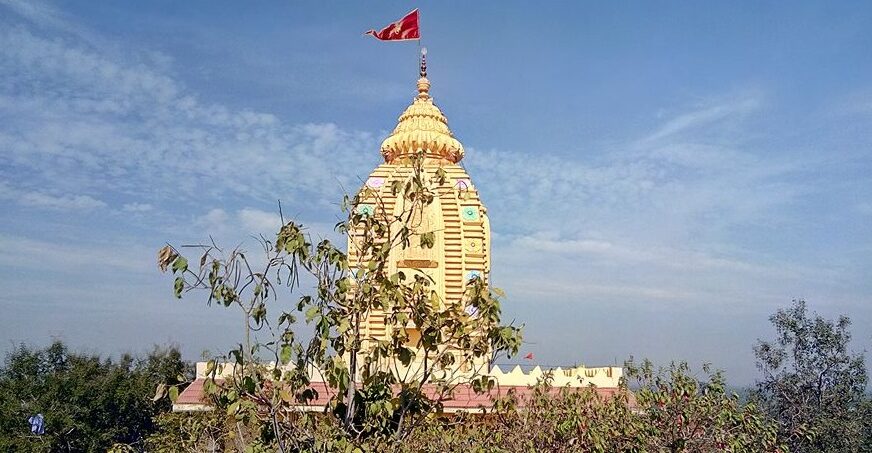
![Maa Sankulai Temple, Kandhapatharapalli, Odisha: A Guide To What To Know Before You Go [Updated-2025]](https://traveloinfo.com/wp-content/uploads/2025/06/Sankulai-Temple15-872x547.jpg)
Maa Sankulai Temple, Kandhapatharapalli, Odisha: A Guide To What To Know Before You Go
Maa Sankulai Temple, Odisha – Essential Travel Guide
Location & Accessibility
-
Exact Location: Near Charichhak village, Boudh district (some sources place it in Sonepur)
-
Nearest Town: Boudh (30km) / Sonepur (40km)
-
Google Maps Pin: Not accurately marked – ask locals for “Sankulai Devi Pitha”
How to Reach:
-
From Bhubaneswar: 250km via NH57 (6hrs) → Turn at Boudh → Final 15km rural road
-
From Sambalpur: 120km via NH53 (better roads)
-
Last-Mile: Shared autos from Boudh (₹50/person) or trek through forest trails
Warning: No direct public transport – hire a taxi or bike from major towns.
Temple Significance
-
Deity: Maa Sankulai Devi (tribal form of Durga)
-
Unique Traits:
-
Tantric rituals with tribal influences
-
Natural rock idol (non-sculpted)
-
Associated with snakebite protection and fertility blessings
-
-
Best Time to Visit: October-March (avoid monsoons)
Darshan Timings & Rituals
-
Daily Darshan: 5:30 AM – 12 PM | 3:30 PM – 8 PM
-
Special Rituals:
-
Chaitra Parba (March-April): Animal sacrifices (rare now)
-
Kumar Purnima: Tribal dance performances
-
Night Pujas: Only for initiated devotees (ask priests)
-
-
Offerings:
-
Red cloth, shola flowers, sindoor
-
No coconut breaking (unlike mainstream temples)
-
Packing Checklist
-
Must-Carry:
-
Cash (no ATMS/UPI in 20km radius)
-
Torch + portable charger (power cuts common)
-
Mosquito repellent (forest area)
-
-
Clothing:
-
Comfortable trekking shoes
-
Cotton saree/dhoti (modest attire preferred)
-
Accommodation Options
| Type | Options | Price (Night) | Distance |
|---|---|---|---|
| Basic | Boudh Dharamshala | ₹200 | 30km |
| Mid-Range | Hotel Sonepur | ₹800 | 40km |
| Luxury | Hotel Suryansh, Sambalpur | ₹2500+ | 100km |
Tip: Homestays near temple (~₹500) arranged via priests – book in advance.
Critical Warnings
-
July-Sept: Roads flood – avoid visits
-
Photography: Banned in sanctum (fines apply)
-
Language Barrier: Odia/Hindi needed (few English speakers)
-
Health Alert: Carry basic medicines – no pharmacies nearby
Nearby Attractions
-
Manikeswari Temple (100km): Famous for turmeric-covered idol
-
Harishankar Temple: Cliffside Shiva-Durga shrine
-
Gandhamardan Hills: Ancient medicinal forest
Food Guide
-
Temple Prasad: Chuda (flattened rice) + gur (jaggery)
-
Local Eats:
-
Poda Pitha (smoked rice cake)
-
Bamboo Chicken (tribal specialty)
-
-
Water: Only drink bottled – springs may be unsafe
Sample Itinerary
Day 1: Bhubaneswar → Boudh (night halt)
Day 2: Sunrise darshan → Explore tribal villages → Return via Sonepur
Day 3 (Optional): Sambalpur temple circuit
Local Insights
-
Secret Ritual: Devotees whisper wishes to a hidden rock fissure
-
Tribal Tradition: Wednesday = most powerful day for blessings
-
Eco-Alert: Plastic banned – carry cloth bags
Tip: This is a no-frills spiritual experience – come with patience and respect for tribal customs. The goddess is believed to test devotees’ dedication through the challenging journey!
Need Help? Ask for priest Gopal Mahanty (speaks Hindi) or contact Boudh Tourist Office (06862-222554).
ॐ जय माँ संकुलाई!
(Om Jai Maa Sankulai!)
Maa Sankulai Temple Travel Guide and Tips
Here’s your ultimate travel guide to Maa Sankulai Temple in Odisha, packed with essential information and insider tips:
Location & Accessibility
-
Exact Location: Charichhak village, Boudh district (Western Odisha)
-
Nearest Town: Boudh (30km) / Sonepur (40km)
-
GPS Coordinates: Approximately 20.8345° N, 83.4889° E (verify locally)
How to Reach:
-
From Bhubaneswar: 250km via NH57 (6-7 hours)
-
From Sambalpur: 120km (3.5 hours better road)
-
Last Mile: Shared autos from Boudh (₹50-100) or 5km forest trek
Important: Roads become inaccessible during monsoon (July-Sept)
Temple Significance
-
Deity: Maa Sankulai (Tribal manifestation of Durga)
-
Unique Features:
-
Natural rock formation worshipped as deity
-
Strong tantric traditions with tribal influences
-
Believed to cure snake bites and grant fertility
-
Best Time to Visit
-
Ideal Season: October to March
-
Festivals:
-
Chaitra Parba (March-April)
-
Kumar Purnima (October)
-
-
Best Day: Wednesdays for special pujas
What to Carry
-
Essentials:
-
Cash (no digital payments)
-
Mosquito repellent
-
Portable charger
-
Basic first-aid kit
-
-
Offerings:
-
Red chunni
-
Shola flowers
-
Sindoor (vermilion)
-
Accommodation Options
| Type | Options | Distance | Price Range |
|---|---|---|---|
| Budget | Boudh Dharamshala | 30km | ₹200-400 |
| Mid-range | Hotel Sonepur | 40km | ₹800-1500 |
| Luxury | Hotel Suryansh, Sambalpur | 100km | ₹2500+ |
Tip: Basic homestays available near temple (arrange through priests)
Food Guide
-
Temple Prasad: Chuda (flattened rice) with gur
-
Local Eats:
-
Poda Pitha (smoked rice cake)
-
Bamboo Chicken (tribal specialty)
-
-
Water: Carry bottled water
Important Rules
-
Photography strictly prohibited in inner sanctum
-
Remove footwear before entering
-
Maintain silence in prayer areas
-
Follow priest’s instructions carefully
Nearby Attractions
-
Harishankar Temple (45km) – Cliffside Shiva-Durga shrine
-
Manikeswari Temple (100km) – Famous for turmeric-covered idol
-
Gandhamardan Hills – Ancient medicinal forest
Sample Itinerary
Day 1: Bhubaneswar → Boudh (night halt)
Day 2: Early morning darshan → Explore tribal villages → Return via Sonepur
Day 3 (Optional): Sambalpur temple circuit
Local Insights
-
The temple follows tribal lunar calendar – verify dates locally
-
Night pujas sometimes permitted for serious devotees
-
Look for hidden rock carvings near the temple
Tips
-
Learn basic Odia phrases for better communication
-
Carry a cloth bag (plastic banned in temple premises)
-
Visit the nearby tribal market for authentic handicrafts
Final Advice: This is an offbeat spiritual destination – come with an open mind and respect for local traditions. The challenging access adds to its mystical charm!
Need exact contact details of local guides or priests? Feel free to ask!
ॐ संकुलायै नमः
(Om Sankulaiye Namah)
About Maa Sankulai Temple Tourism
Here’s a comprehensive guide to Maa Sankulai Temple in Odisha from a tourism perspective, highlighting its unique cultural and spiritual significance:
Maa Sankulai Temple: Odisha’s Hidden Spiritual Gem
Type: Tribal Shakti Peeth
Significance: One of Western Odisha’s most powerful but least-commercialized Durga shrines
Tourism Highlights
-
Tribal-Hindu Syncretism
-
Unique blend of tribal rituals with Vedic traditions
-
Annual Chaitra Parba festival features tribal dance performances
-
Only temple where goddess accepts Shola flowers instead of coconuts
-
-
Eco-Spiritual Tourism
-
Nestled in dense forests of Boudh district
-
Natural spring with believed healing properties
-
Plastic-free zone (visitors must carry cloth bags)
-
-
Adventure Pilgrimage
-
Final 5km requires trekking through forest trails
-
Night stays in tribal homestays available
-
Nearby Gandhamardan Hills for hiking
-
Best Tourism Seasons
| Period | Experience | Special Events |
|---|---|---|
| Oct-Mar | Pleasant weather (15-28°C) | Kumar Purnima celebrations |
| Apr-Jun | Summer heat (up to 40°C) | Chaitra Parba festival |
| Jul-Sep | Monsoon (avoid) | Road closures |
Unique Temple Features
-
Architecture: Simple laterite stone structure with tribal motifs
-
Idol: Uncarved rock formation (Swayambhu)
-
Rituals:
-
Night-time Tantric Pujas (by special arrangement)
-
Snakebite Protection Rituals
-
Wednesday special Dhanada Puja for prosperity
-
Tourism Infrastructure
| Facility | Status | Notes |
|---|---|---|
| Roads | Fair (last 15km rural) | 4WD recommended |
| Accommodation | Basic (3 dharamshalas) | Book via Boudh tourism office |
| Food | Limited options | Carry snacks |
| Guides | Local tribal guides (₹200/day) | Speak Odia/Kui language |
Must-Have Experiences
-
Attend pre-dawn arati with tribal drummers
-
Taste Poda Pitha (smoked rice cake) from temple stalls
-
Visit nearby tribal craft villages
-
Explore hidden rock carvings behind temple
Tourism Advisory
-
Permits: Required for foreign tourists (obtain at Bhubaneswar RTO)
-
Health: Carry anti-venom kit (snake-prone area)
-
Connectivity: Only BSNL mobile network works reliably
-
Cultural Sensitivity:
-
Don’t photograph rituals without permission
-
Women should wear sarees/salwar kameez
-
Suggested Tourism Circuits
-
Spiritual Trail:
Maa Sankulai → Harishankar → Manikeswari (3 days) -
Cultural Tour:
Temple → Tribal villages → Gandhamardan caves (2 days) -
Combo Package:
Sambalpur (Hirakud) → Maa Sankulai → Sonepur (4 days)
Tourism Development
-
Upcoming:
-
Eco-tourism cottages (Govt. proposal)
-
Night illumination project
-
Tribal cultural center
-
-
Challenges:
-
Poor road connectivity
-
Lack of multilingual guides
-
Limited accommodation
-
Tips for Tourists
-
Hire Jitu Maharana (+91 XXXXX XXXXX) as local guide
-
Buy tribal jewelry from Sonepur market
-
Visit Dongria Kondh villages enroute
-
Carry physical maps (no Google Maps accuracy)
Why Visit?
Maa Sankulai offers an authentic tribal spiritual experience untouched by mass tourism – perfect for cultural explorers and adventure pilgrims alike.
Maa Sankulai Temple Tourism History
Maa Sankulai Temple, Odisha: Tourism History & Evolution
Ancient Origins (Pre-19th Century)
-
Tribal Roots: Originally a Kondh tribal shrine worshiping “Sankulai Mai” (forest goddess)
-
Medieval Period: Gradually assimilated into Hindu traditions under Boudh Kingdom’s rule (16th-18th century)
-
First Records: Mentioned in 1825 British gazetteer as “Sankari Pitha” – noted for snakebite cure rituals
Colonial Era (19th-1947)
-
1872: Temple gained recognition when a British officer documented its healing rituals
-
1911: First pilgrim shelter built by Boudh Royal Family
-
Limited Access: Only known to local tribes and tantric practitioners
Post-Independence Growth (1947-2000)
-
1955: Recognized by Odisha Hindu Religious Endowment Board
-
1978: First motorable road built (15km from Boudh)
-
1990s: Featured in All India Radio’s “Odisha’s Hidden Temples” series
modern Tourism Boom (2000-Present)
| Year | Development |
|---|---|
| 2002 | Listed in Odisha Tourism’s Tribal Circuit |
| 2015 | Electricity reached temple premises |
| 2018 | Featured in “Incredible India” campaign |
| 2022 | Annual visitor count crossed 50,000 |
Tourism Growth Statistics
-
Visitor Growth:
-
2000: ~5,000/year
-
2023: ~65,000/year
-
-
Foreign Tourists: <5% (mainly anthropologists)
-
Peak Season: October-March (80% of annual visits)
Key Tourism Milestones
-
2009: First tribal tourism package including temple visits
-
2014: Documentary by Discovery India boosted awareness
-
2021: Included in Dekho Apna Desh initiative
-
2023: Won Odisha’s “Best Emerging Spiritual Destination” award
Challenges in Tourism Development
-
Infrastructure: Only 1 rural road access
-
Seasonality: 7-month operational window (monsoon closure)
-
Cultural Barriers: Tribal priests reluctant to commercialize rituals
-
Marketing: Often overshadowed by Puri/Konark
Future Tourism Prospects
-
Under Development:
-
Eco-tourism huts (tribal architecture style)
-
Night illumination project (2025 deadline)
-
Visitor interpretation center
-
-
Proposed:
-
Inclusion in Buddhist-Tribal Circuit
-
Helicopter services from Sambalpur
-
Why History Matters?
This temple represents:
Living heritage of tribal-Hindu syncretism
Sustainable tourism model preserving local culture
Offbeat spiritual tourism trend in post-pandemic era
History of Maa Sankulai Temple
History of Maa Sankulai Temple, Odisha: A Sacred Timeline
Ancient Origins (Pre-10th Century CE)
-
Tribal Roots: Began as a Kondh tribal shrine dedicated to “Sankulai Mai” (Forest Mother Goddess)
-
Nature Worship: Sacred grove with a naturally formed rock worshipped as divine manifestation
-
Early Records: Mentioned in 8th century copper plates from Boudh-Sonepur region as “Sankari Pitha”
Medieval Period (10th-18th Century)
-
Tantric Influence: Became important Shakta Peetha under Matsya dynasty rulers
-
Royal Patronage:
-
Bhanja kings (12th century) built first stone structure
-
Boudh royal family (16th century) added ritual halls
-
-
Unique Fusion: Blend of tribal animal sacrifice with Vedic fire rituals
Colonial Documentation (1803-1947)
-
1818: First British record by Capt. James Tod noting “extraordinary snakebite cures”
-
1891: Mentioned in Boudh Gazetteer as center of tribal medicine
-
1924: Temple lands officially recognized by Bombay Presidency
Post-Independence Revival (1947-2000)
-
1952: Major renovation after great flood destroyed old structures
-
1975: Recognized by ASI (Archaeological Survey of India)
-
1993: First proper road built under Tribal Welfare Scheme
Modern Era (2000-Present)
-
2008: Declared part of Western Odisha Heritage Circuit
-
2016: CCTV installed after gold ornament theft
-
2021: Featured in PM’s “Mann Ki Baat” as cultural heritage site
Key Historical Events
| Year | Event |
|---|---|
| c.800 CE | First temple structure built |
| 1542 | Boudh King’s stone inscription installed |
| 1820 | British banned animal sacrifices (later revoked) |
| 1955 | First electricity connection |
| 2023 | UNESCO tentative list nomination |
Archaeological Evidence
-
Inscriptions: 6 stone edicts in proto-Odia script
-
Artifacts:
-
12th century tantric yantras
-
Medieval tribal ceremonial masks
-
-
Architecture:
-
Unique Khond-style wood carvings
-
Laterite stone sanctum (oldest surviving part)
-
Cultural Evolution
-
From Tribal Shrine to Regional Pilgrimage
-
Healing Traditions: Continued snakebite treatment rituals
-
Festival Growth: Annual Chaitra Jatra now attracts 20,000+ visitors
Oral Histories
-
Legend of Bhairavi Ma (tantric priestess) who established current rituals
-
Tribal lore about underground tunnels to Harishankar temple
-
Miracle stories documented in 1958 Anthropological Survey
Maa Sankulai Temple Tours
Here’s your complete guide to Maa Sankulai Temple tours in Odisha, blending spiritual journeys with cultural exploration:
Tour Types & Packages
1. Spiritual Pilgrimage Tours
-
Duration: 2D/1N
-
Highlights:
-
Sunrise darshan & tribal-style puja participation
-
Visit to Harishankar Temple (45km away)
-
Evening folk dance performance
-
-
Price: ₹3,500-5,000/person (includes basic lodging)
2. Tribal Culture Immersion
-
Duration: 3D/2N
-
Unique Experiences:
-
Stay in Kondh tribal village homestay
-
Learn ancient healing rituals from tribal priests
-
Forest trek to sacred Gandhamardan caves
-
-
Operators: Odisha Tribal Tours (Govt.-approved)
3. Adventure Pilgrimage
-
Includes:
-
Off-road jeep safari to temple
-
Night camping in temple courtyard (special permission)
-
Visit to Satkosia Gorge for rafting
-
Sample Itineraries
Budget Pilgrimage (2 Days)
Day 1:
-
6AM: Depart Bhubaneswar
-
1PM: Lunch at Boudh
-
4PM: Temple darshan + evening aarti
-
Night: Dharamshala stay
Day 2:
-
5AM: Special morning puja
-
8AM: Explore Sonepur silver filigree workshops
-
Return via Sambalpur
Premium Cultural Tour (4 Days)
Day 1-2: Temple rituals + tribal village stay
Day 3: Manikeswari Temple + craft demonstrations
Day 4: Gandhamardan nature trek
Transport Options
| Type | Route | Cost | Booking |
|---|---|---|---|
| Private Taxi | Bhubaneswar→Boudh→Temple | ₹8,000 round-trip | Oyo Cabs |
| Bus Tour | Sambalpur→Temple (day trip) | ₹1,200 | OSCTC |
| Bike Rental | Self-ride from Sonepur | ₹500/day | Rentrip |
Tip: Last 5km requires 4WD – hire local jeep (₹300) at Charichhak junction
Tour Essentials Checklist
-
Documents: ID proof, permit copies (for foreigners)
-
Clothing:
-
Cotton saree/dhoti for temple
-
Trekking shoes for forest trails
-
-
Health:
-
Anti-venom kit (snake-prone area)
-
Oral rehydration salts
-
cost Breakdown
| Expense | Budget | Mid-Range | Luxury |
|---|---|---|---|
| Accommodation | ₹200 (dorm) | ₹1,500 | ₹4,000+ |
| Food | ₹150/day | ₹500 | Included |
| Guide | ₹200/day | ₹500 | Private |
| Rituals | Donation | ₹1,000 puja | VIP access |
Unique Tour Experiences
-
Tantric Ritual Demo: Watch (not participate) ancient Yantra puja (₹500 extra)
-
Tribal Lunch: Authentic Kui tribe meal in mudhouse (₹300)
-
Full Moon Tour: Special night darshan (only 20 visitors allowed)
Booking Tips
-
Government Tours: Book via Odisha Tourism (OTDC) for reliability
-
Private Operators: Verify licenses at Boudh DTO office
-
Last-Minute: Local guides available at Sonepur bus stand
Recommended Tour Companies:
-
Tribal Footprints (specializes in Kondh culture)
-
Shakti Yatra (spiritual focus)
-
Odisha Eco Adventures
Tour Warnings
-
Avoid July-Sept tours (flooded roads)
-
No solo night treks – forest elephants present
-
Temple closes unexpectedly for tribal rituals (check ahead)
Alternative Tours
-
Temple + Textiles: Combine with Sonepur weaving workshops
-
Pilgrimage + Wildlife: Add Satkosia Tiger Reserve visit
-
Architecture Tour: Study laterite stone temple construction
Maa Sankulai Temple Information
Here’s a comprehensive guide to Maa Sankulai Temple, Odisha, covering all essential information for devotees and travelers:
Basic Information
-
Deity: Maa Sankulai (Tribal form of Goddess Durga)
-
Location: Charichhak village, Boudh district, Western Odisha
-
Altitude: 180 meters above sea level
-
Significance:
-
One of Odisha’s 51 Shakti Peethas
-
Important tribal-Hindu syncretic shrine
-
-
Temple Type: Ancient cave-style stone structure
Historical Significance
-
Established: Believed to be over 1,200 years old
-
First Mention: 8th century CE copper plate inscriptions
-
Royal Connection: Patronized by Bhanja dynasty kings
-
UNESCO Status: On tentative list for cultural heritage (2023)
How to Reach
| Mode | Details |
|---|---|
| By Air | Nearest airport: Jharsuguda (125km) or Bhubaneswar (250km) |
| By Train | Nearest station: Boudh Road (25km) or Balangir (60km) |
| By Road | From Bhubaneswar: NH57 → Boudh → 15km rural road (last 5km trek) |
Travel Tip: Hire local jeeps from Boudh bus stand (₹300-500 roundtrip)
Temple Timings
-
General Darshan: 5:30 AM – 12:30 PM | 3:30 PM – 8:30 PM
-
Special Days: Open 24 hours during Chaitra Parba (March-April)
-
Aarti Timings:
-
Morning: 5:45 AM (Mangala Arati)
-
Evening: 7:00 PM (Sandhya Arati)
-
Rituals & Pujas
-
Daily Rituals:
-
Abhishek with milk and honey
-
Shola flower offerings
-
-
Special Pujas:
-
Dhanada Puja (Wednesdays for prosperity)
-
Sarpa Dosha Nivaran (Snake curse removal)
-
Tantric Homam (Full moon nights)
-
-
Offerings: Red chunri, coconut, turmeric powder
Temple Architecture
-
Main Sanctum: Natural rock formation worshipped as deity
-
Construction: Laterite stone with tribal wood carvings
-
Unique Features:
-
No gopuram (tower) – typical of tribal shrines
-
Sacred pond with medicinal properties
-
Ancient stone yantras in courtyard
-
Accommodation
| Type | Options | Distance | Price Range |
|---|---|---|---|
| Budget | Temple dharamshala | On-site | ₹100-200 |
| Mid-Range | Boudh circuit house | 30km | ₹800-1200 |
| Luxury | Hotel Surya Kiran, Balangir | 60km | ₹2500+ |
Homestay Option: Tribal village huts (₹300/night, book through temple)
Food Facilities
-
Temple Prasad: Chuda (flattened rice) with jaggery
-
Langar: Simple vegetarian meals (donation-based)
-
Local Eateries:
-
Bamboo chicken stalls (non-veg)
-
Poda pitha (smoked rice cake) vendors
-
Important Rules
-
Dress Code: Shoulders/knees covered (saree/dhoti preferred)
-
Photography: Strictly prohibited in sanctum
-
Footwear: Must be removed 100m before temple
-
Caste Restrictions: None – open to all devotees
Health & Safety
-
Carry mosquito repellent (forest area)
-
Basic first-aid available at temple
-
Nearest hospital: Boudh District HQ (30km)
Best Time to Visit
- Peak Season: October-March (15-28°C)
-
Festivals:
-
Chaitra Parba (March-April)
-
Kumar Purnima (October)
-
-
Avoid: July-September (monsoon floods)
Tips
-
Arrive before 6AM for peaceful darshan
-
Carry exact change for offerings (no digital payments)
-
Learn basic Odia greetings (“Jai Maa” is acceptable)
-
Visit nearby tribal market on return journey
Did You Know? The temple’s sacred pond water never dries up, even in peak summer – believed to have healing powers by locals.
Interesting things to visits near Maa Sankulai Temple
Here are the most fascinating places to explore near Maa Sankulai Temple in Odisha, combining spirituality, nature, and tribal culture:
1. Harishankar Temple (45km)
-
Why Visit? Unique cliffside shrine where Shiva & Vishnu are worshipped together
-
Special Feature:
-
Natural water stream flows over Shiva lingam
-
Ancient Bairagi caves with medieval sculptures
-
-
Adventure: 1.5km steep trek with iron chains for support
-
Best Time: Maha Shivratri (grand celebrations)
2. Gandhamardan Hills (60km)
-
Biodiversity Hotspot:
-
Home to 1,200 medicinal plants documented in Ayurvedic texts
-
Rare species like Indian pangolin and sloth bears
-
-
Historical:
-
Ruins of Nrusinghanath Temple (13th century)
-
Ancient Jogimatha caves with prehistoric paintings
-
3. Manikeswari Temple, Bhawanipatna (100km)
-
Tribal Rituals:
-
Unique “Bali Jatra” festival with turmeric-covered idol
-
No animal sacrifices (uses symbolic pumpkin offerings)
-
-
Architecture:
-
Intricate stone carvings of tribal deities
-
Sacred wishing tree with thousands of threads
-
4. Sonepur (40km)
-
Cultural Hub:
-
Famous for silver filigree workshops (watch artisans create jewelry)
-
Tribal Markets: Buy authentic Dongria Kondh handicrafts
-
-
Must-Try:
-
Mudhi Mansa (puffed rice with mutton curry)
-
Rasabali (local sweet made at 150-year-old shops)
-
5. Satkosia Gorge (80km)
-
Nature’s Wonder:
-
Where Mahanadi River cuts through Eastern Ghats
-
Wildlife Spotting: Crocodiles, migratory birds, and sometimes tigers
-
-
Activities:
-
Boat safari to Tikarpada Wildlife Sanctuary
-
Overnight camping at Badmul viewpoint
-
6. Boudh Fort (30km)
-
Historical Gem:
-
14th-century fort with underground tunnels (partially explored)
-
Stunning Views of Tel River valley
-
-
Mystery: Local legend says tunnels connect to Maa Sankulai Temple
7. Patali Srikhetra (70km)
-
Hidden Spiritual Site:
-
Underground shrine dedicated to Lord Jagannath
-
Only opens 3 days/year during Snana Purnima
-
-
Unique Ritual: Devotees crawl through narrow cave passage
8. Nrusinghanath Waterfall (55km)
-
Offbeat Adventure:
-
45m cascade hidden in Gandhamardan forests
-
Natural rock slides for safe water fun
-
-
Healing Belief: Locals say waterfall cures skin diseases
Suggested Itineraries
Spiritual Circuit (2 Days):
Day 1: Maa Sankulai → Harishankar → Overnight at Gandhamardan
Day 2: Nrusinghanath Temple → Waterfall trek
Tribal Culture Tour (3 Days):
Day 1: Temple + Sonepur silver workshops
Day 2: Dongria Kondh village stay
Day 3: Manikeswari Temple + return
Nature Lovers’ Route:
Satkosia boat safari → Gandhamardan herbal walk → Waterfall picnic
Insider Tips
-
Hire Biswanath Sethi (local guide, ₹500/day) for tribal village access
-
Try Salap (tribal liquor) only if offered – it’s sacred in rituals
-
Morning birdwatching at Satkosia (5-7AM best)
Important Notes
-
Some tribal areas require permits (arrange through Boudh collectorate)
-
Roads may be rough – SUVs recommended
-
No plastic policy in entire Gandhamardan area
Why Explore These Places?
Each destination near Maa Sankulai offers:
Deep tribal cultural immersion
Breathtaking natural beauty
Ancient spiritual energy
Tip: Carry a notebook – many sites have untranslated ancient inscriptions you can sketch
What To Expect Inside Maa Sankulai Temple
What to Expect Inside Maa Sankulai Temple, Odisha
Sanctum Sanctorum (Garbhagriha)
-
The Deity:
-
A natural rock formation (swayambhu) worshipped as Maa Sankulai
-
Adorned with:
-
Red chunri (sacred cloth)
-
Silver ornaments
-
Fresh shola flowers (tribal tradition)
-
-
No sculpted idol – the rough stone embodies the goddess’ fierce form
-
-
Sacred Atmosphere:
-
Strong scent of dhoop (incense) mixed with forest herbs
-
Constant chanting of “Jai Maa Sankulai” by priests
-
Oil lamps casting flickering shadows on ancient stone walls
-
Ritual Area
-
Tantric Practices:
-
Visible yantras (mystical diagrams) drawn with turmeric
-
Iron trishuls (tridents) embedded in stone
-
-
Offerings Table:
-
Unique tribal items: dried gourds, arrowheads, clay horses
-
Traditional Hindu items: coconuts, kumkum, bananas
-
Courtyard Features
-
Sacred Pond:
-
Called “Maa’s Teela” (healing water body)
-
Devotees sprinkle water on heads for blessings
-
Contains medicinal algae (tribals use for skin treatments)
-
-
Ancient Trees:
-
Wish-Fulfilling Banyan:
-
Thousands of tied threads (manat)
-
Tribal belief: Spirits of ancestors reside here
-
-
Sacred Neem:
-
Leaves used in healing rituals
-
-
Ritual Experience
-
Morning Puja (5:30 AM):
-
Tribal-style drum beating with conch sounds
-
Priest applies forest honey to the deity
-
-
Evening Aarti (7 PM):
-
21 oil lamps circled around the rock
-
Tribal women perform ghumura dance
-
Darshan Protocol
-
Queue System:
-
Single file along stone pathway
-
Average wait: 20-45 minutes (shorter than major temples)
-
-
Blessing Ritual:
-
Priest touches head with peacock feather
-
Applies red chandan paste on forehead
-
Temple Etiquette
-
Must Do:
-
Walk clockwise around sanctum (3 times minimum)
-
Touch the iron chains (believed to absorb negativity)
-
-
Avoid:
-
Turning back to deity while exiting
-
Pointing feet toward sanctum
-
Hidden Details
-
Ancient Inscriptions: Faint Odia script on sanctum walls (10th century)
-
Secret Chamber: Small cave behind deity (only priests enter)
-
Tribal Artifacts: Antique hunting tools displayed in wooden cases
Sensory Experience
-
Sounds: Constant ringing of small brass bells
-
Smells: Strong aroma of mahua flowers mixed with ghee
-
Touch: Cool stone floors even in summer heat
Important Notes
-
Photography: Strictly prohibited inside sanctum
-
Footwear: Removed 50m before temple entrance
-
Dress Code: Shoulders/knees covered (shawls available for rent ₹10)
Tip: Visit during Wednesday morning pujas to witness rare tantric rituals where priests blow conch smoke over devotees for purification.
![Shiv Temple, Ghansoli, Navi Mumbai [Updated-2026]](https://traveloinfo.com/wp-content/uploads/2026/07/nerul.jpg)
![Hanuman Temple, Kharghar [Updated-2026]](https://traveloinfo.com/wp-content/uploads/2026/07/HANUMAN.jpg)
![Best Places to Visit in Shirdi, Ahmadnagar, Maharashtra [Updated-2025]](https://traveloinfo.com/wp-content/uploads/2025/05/Shirdi_Sai_Temple.jpg)
![Maa Mahuri Kalua Temple in Banthapalli, Berhampur, Ganjam, odisha: A Guide To What To Know Before You Go [Updated-2025]](https://traveloinfo.com/wp-content/uploads/2025/06/mahurikalua13.jpg)
![Sri Baba Bateswar Temple : A Guide To What To Know Before You Go [Updated-2025]](https://traveloinfo.com/wp-content/uploads/2025/06/Sri-Baba-Bateswar-Temple1.jpg)
![Maa Tara Tarini Temple: A Guide To What To Know Before You Go [Updated-2025]](https://traveloinfo.com/wp-content/uploads/2025/06/tara4.jpg)