
![Where the Gods Come to Earth: A Journey Through India’s Most Spectacular Religious Festivals [Updated-2025]](https://traveloinfo.com/wp-content/uploads/2025/10/woman-holding-hand-while-taking-selfie-her-friend_23-2147910755-872x547.jpg)
Where the Gods Come to Earth: A Journey Through India’s Most Spectacular Religious Festivals
India, often described as a land of myriad faiths and boundless devotion, offers travellers more than just scenic vistas and historical sites—it invites them into the very flow of divine presence. In the heart of many festivals, you’ll find the sense that the gods have stepped down from the heavens and walked among mortals. This blog is your guide to some of India’s most spectacular religious festivals, where the sacred becomes tangible, the ritual becomes theatre, and the spiritual becomes a collective experience.
Introduction: Why These Festivals Matter
Every year across India, millions of people gather in towns, cities, temples, river‑banks and pilgrimage centres to celebrate festivals that transcend mere culture: they are living myth, reborn each time. These festivals matter for several reasons:
-
Spiritual presence: They enact ancient myths and cosmologies—making the divine accessible in time and space.
-
Cultural continuity: The rituals, costumes, processions, music, and dance preserve traditions and pass them on.
-
Pilgrimage & community: Travellers join with local devotees in a shared journey of faith, often in vivid settings (rivers, mountains, temples).
-
Sensory immersion: The sights, sounds, smells—of fire lamps, chants, processions, colours—offer a visceral experience.
-
Transformative travel: It’s more than sightseeing; it’s being part of something larger than yourself.
In essence: when you attend such a festival, you step into a world where the borders between human and divine blur.
Key Festivals Where the Divine Meets Earth
Below are some of India’s major religious festivals, each with its own mythic story, ritual logic and travel‑appeal. These examples are by no means exhaustive, but they provide a powerful cross‑section.
1. Maha Kumbh Mela (at Prayagraj, plus Haridwar, Ujjain, Nashik)
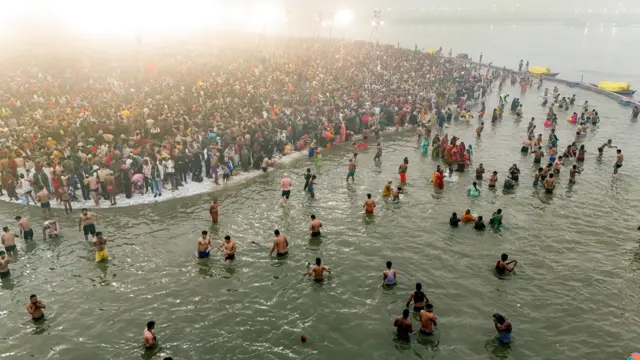
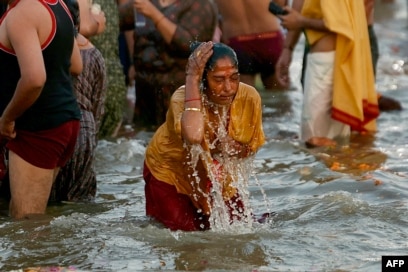

Myth & significance: According to Hindu mythology, during the celestial event of the churning of the ocean (Samudra Manthan), the gods and demons fought over the pot (“kumbh”) of nectar. Four drops of that nectar fell on earth at four sacred locations: Prayagraj (Triveni Sangam), Haridwar, Ujjain and Nashik. The Kumbh Mela is held at these sites in alignment with Jupiter’s movement and other celestial conditions. Kumbh Mela+3Business Standard+3Encyclopedia Britannica+3
In particular, the 2025 edition at Prayagraj was tagged a “Maha” Kumbh because of a rare celestial alignment and the scale of attendance. India Today+1
What you’ll experience:
-
A massive human tide: millions of pilgrims taking a ritual bath (snan) in the sacred river at the confluence of the Ganga, Yamuna and the mythical Saraswati. Encyclopedia Britannica+1
-
Holy men (sadhus / akharas) with ashes, body paint, procession on elephants and horses, chanting and fire rituals. Deutsche Welle+1
-
A huge temporary city: tents, food stalls, training for mass sanitation, roads and infrastructure built to manage the crowds. Jagranjosh.com+1
-
At dawn and dusk: lamps floated on the river, thousands of flower offerings, deep daan (lamp offerings) and collective chants.
Why it’s extraordinary for travellers: The scale is unmatched. You’ll feel part of something geological in size and timeless in meaning. The convergence of rivers, the mythic narrative, the crowd of devotion—all combine to create a once‑in‑a‑lifetime experience.
Travel tips:
-
Book well in advance: accommodation around Prayagraj fills up quickly during the Kumbh.
-
Go for the “shahi snan” days (royal bath) when the largest crowds gather—but note they are very crowded.
-
Respect the ritual: while photography is allowed, be mindful of devotees in private moments.
-
Plan for logistics: large crowds mean delays; familiarise yourself with transport and stay safe.
2. Durga Puja (West Bengal and elsewhere)


Myth & significance: Durga Puja honours the goddess Durga who defeated the buffalo‑demon Mahishasura—a symbol of good triumphing over evil in Shaktism tradition. Wikipedia
The festival also carries regional significance: in Bengal and neighbouring regions it is an unparalleled cultural event.
What you’ll experience:
-
Elaborately built pandals (temporary structures) showcasing artistry, lights, sculpture and themes.
-
Daily rituals: the arrival of the goddess (Bodhon), the grand arthis (fire prayers), cultural performances (dance, music), processions.
-
At the final day: immersion of idols in river or water‑body, accompanied by huge crowds, drum beats and emotion.
-
Street food, communal feasting, and a festive atmosphere that blends devotion and celebration.
Why it’s extraordinary for travellers: The visual grandeur is breathtaking. Kolkata’s Durga Puja (and other cities) blends faith, art and urban celebration in an immersive way. It’s less remote than some pilgrimage festivals, yet still deeply spiritual.
Travel tips:
-
Visit during the main days (usually the final five days) to catch the best pandals and evening programmes.
-
Stay in or near the main city areas to soak in the local buzz.
-
Be prepared for crowds and plan your evening transport accordingly.
3. Ganesh Chaturthi (Especially Maharashtra)

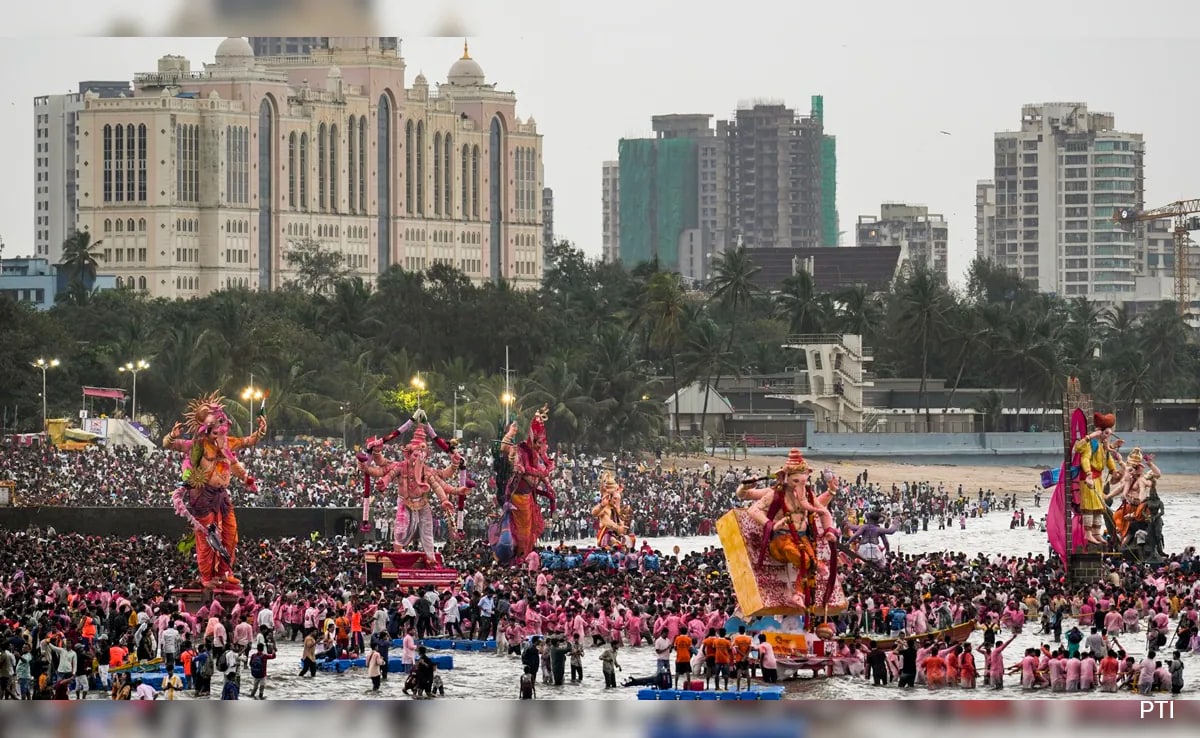
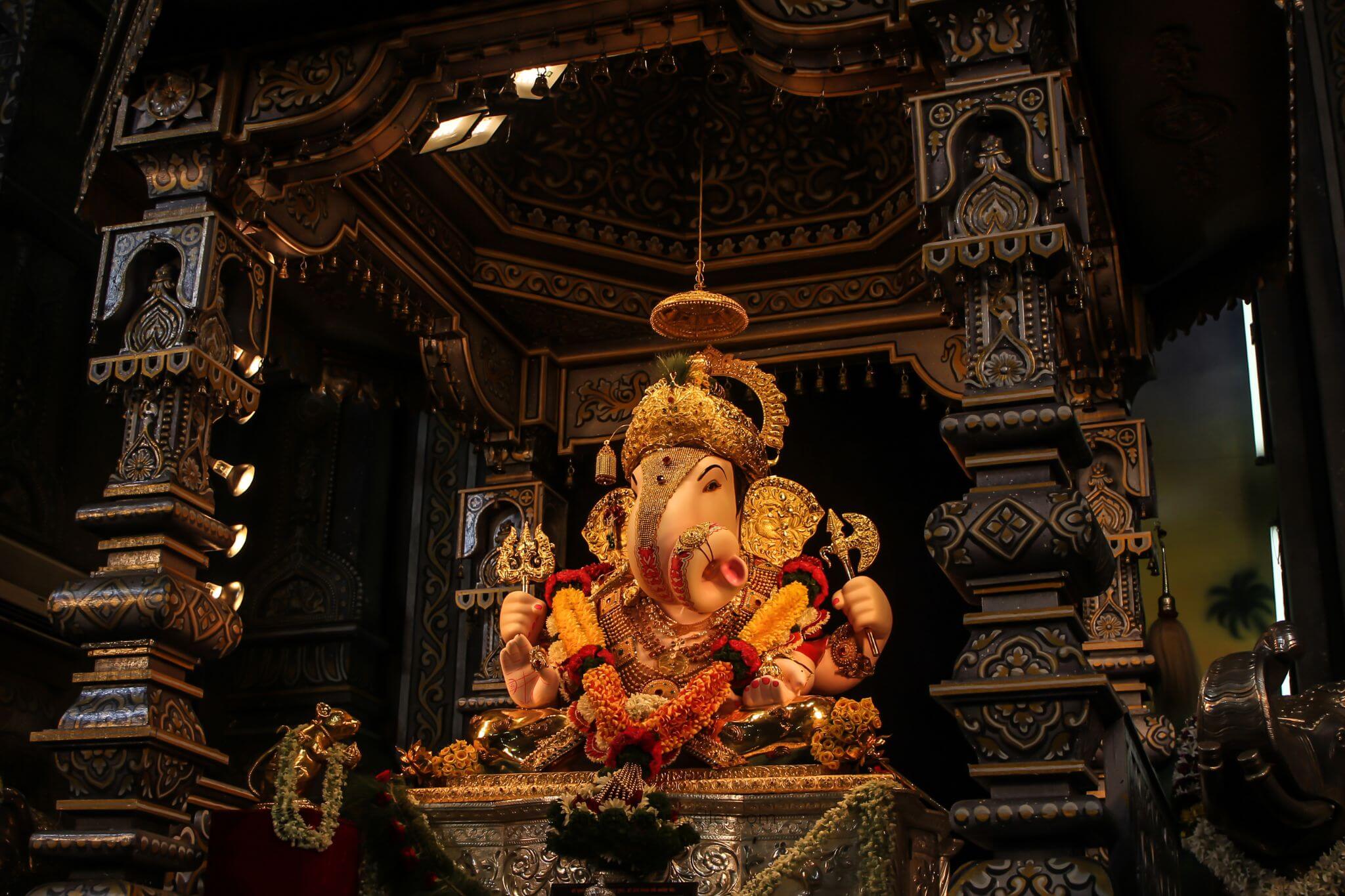
Myth & significance: Celebrated to mark the birth of Lord Ganesha, remover of obstacles and patron of arts and sciences. Festivals include installation of Ganesha idols in homes and public spaces, followed by ten days of rituals. Tour My India
What you’ll experience:
-
Gigantic Ganesha idols, vibrant processions, drums (taal, dhol), dancing through the streets.
-
Immersion (visarjan) of idols into water with crowds chanting “Ganapati Bappa Morya!”
-
Community flavour: families, friends, neighbours come together for offerings, sweets, music, evening aartis.
-
Maharashtra’s coastal cities (e.g., Mumbai, Pune) have massive public events that attract travellers.
Why it’s extraordinary for travellers: It offers a lively, communal, urban festival with devotional zeal and huge atmosphere. Great for a culturally rich, yet accessible travel experience.
Travel tips:
-
Book lodgings early if visiting major cities during the festival.
-
Keep traffic delays in mind for processions; plan your transport accordingly.
-
Respect the rituals and local customs—especially immersion points near water.
4. Diwali / Govardhan Puja (Pan‑India with regional variations)

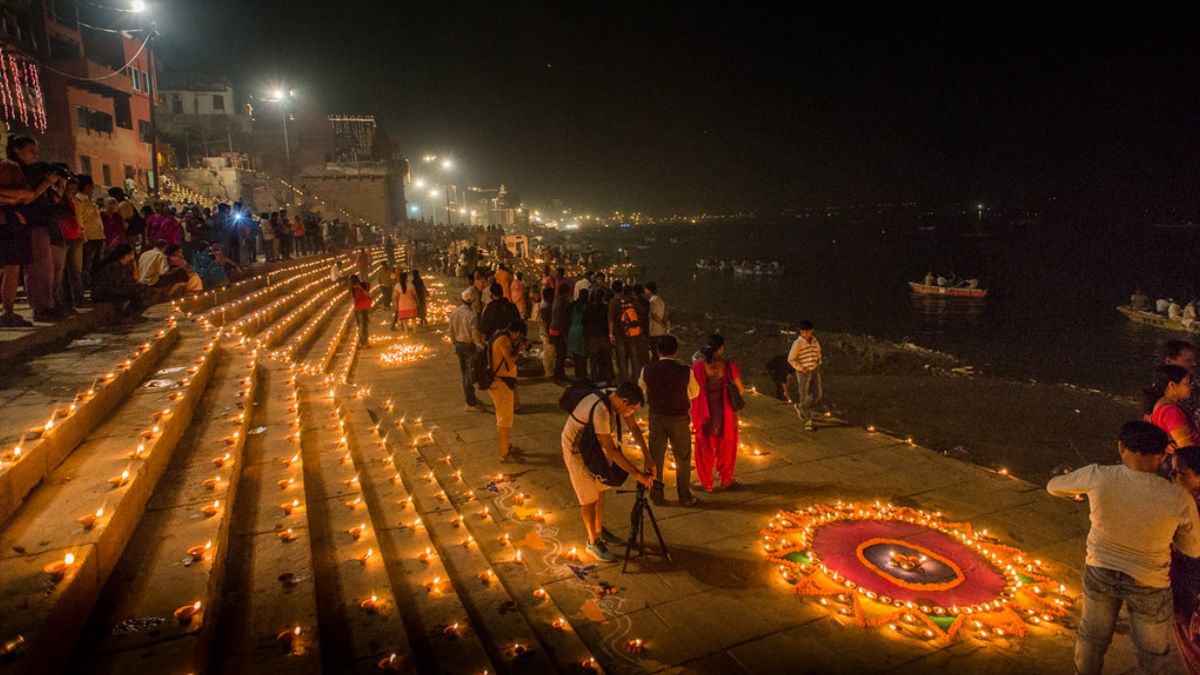

Myth & significance: Diwali is the festival of lights that symbolises the victory of light over darkness, knowledge over ignorance, good over evil. The Times of India+1
Govardhan Puja, which often follows Diwali, commemorates how Lord Krishna lifted Govardhan Hill to protect the villagers from Indra’s wrath. Devotees offer large meals (Annakut) and worship the hill/mountain–symbol. Wikipedia
What you’ll experience:
-
Homes, streets, temples lit with diyas (lamps), lanterns; fireworks and night‑long celebrations.
-
In Varanasi and other river towns: ghats lit up, floating lamps, special river‑rituals.
-
For Govardhan Puja: large displays of vegetarian food set up as offerings, symbolic mountains built from food items.
-
Warm, family‑oriented atmosphere combined with grand public events.
Why it’s extraordinary for travellers: Diwali is globally famous—but experiencing it on the banks of a sacred river in India, or in a temple town, brings the myth alive. The layering of sound, light and ritual is hugely memorable.
Travel tips:
-
Book flights/lodgings early—festive seasons are busy.
-
Fireworks are fun, but also plan for noise and crowds; travel with awareness.
-
Try to visit a traditional temple or participate in a river‑aarti (ceremony).
5. Shravani Mela (at Deoghar, Jharkhand)
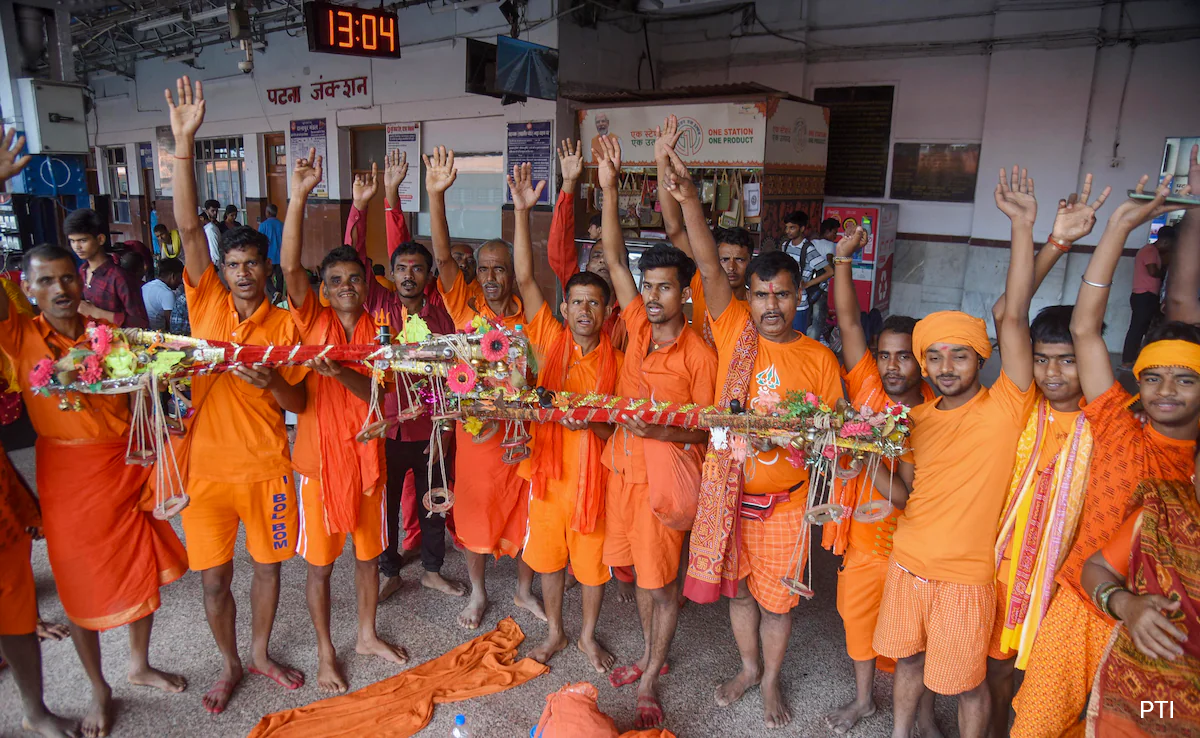


Myth & significance: Shravani Mela is a month‑long pilgrimage observed during the Hindu month of Shravan (July–August). Devotees (called Kanwariyas) carry holy water from the Ganges at Sultanganj to worship at the Baba Baidyanath Temple in Deoghar, one of the twelve Jyotirlingas of Lord Shiva. Wikipedia
What you’ll experience:
-
Thousands of saffron‑clad pilgrims walking (or sometimes cycling) long distances, carrying decorated bamboo structures (“kanwar”) balancing pots of river water.
-
A strong sense of devotion, austerity and community.
-
Local fair‑markets, religious stalls, devotional music, and temple rituals.
-
More grassroots, less commercialised than mega‑festivals—but deeply spiritual and immersive.
Why it’s extraordinary for travellers: It offers a more authentic, local pilgrimage experience. You’ll witness devotion in motion: movement of people, rhythms of chanting, the journey as ritual.
Travel tips:
-
Be prepared for walking, crowds, possibly basic facilities outside main temple zones.
-
Take respect seriously; many pilgrims take vows or fasts.
-
Consider staying in Deoghar town or nearby rather than in luxury hotels.
Practical Planning: How to Approach These Festivals
When planning to attend any of these massive festivals, a little preparation goes a long way.
Choose your season and region
India’s festivals take place year‑round across its regions. For instance:
-
Kumbh Mela: Known dates, but rotate across cities every 12 years.
-
Durga Puja: Usually September–October in Bengal.
-
Ganesh Chaturthi: August–September in Maharashtra.
-
Diwali / Govardhan Puja: October–November (varies by lunar calendar).
-
Shravani Mela: July–August.
Use a festival calendar to pick your date and location in advance. TravelTriangle.com+1
Book logistics early
-
Flights/trains: These festivals attract large crowds—book early, especially for major pilgrimage sites.
-
Accommodation: In smaller towns it may be limited—opt for guesthouses, pilgrimage stays, or official camp sites.
-
Local transport: Major processions may restrict roads; check for special transport arrangements.
-
Weather: Festivals in river‑banks/hills may have extreme weather (cool nights in winter, intense heat in summer, rain in monsoon). Pack accordingly.
Respect the ritual & local customs
-
Dress modestly (especially when visiting temples or ritual zones).
-
Photography: While many events are public spectacles, some sacred rites may restrict photography.
-
Behaviour: Show respect during pujas (prayers), aartis, immersion rituals or sadhus’ processions.
-
Leave no trace: Some pilgrimage sites struggle with waste and pollution; be conscious of the environment. nomatia.com
Immerse beyond the main event
-
Arrive a day earlier: Observe the build‑up, preparations, quiet rhythms before the major moments.
-
Stay after the climax: Some festivals have aftermath rituals, community meals, or lesser‑known processions.
-
Talk to locals/devotees: Ask about what the festival means for the community, what the local tradition is.
-
Explore the region: Many festivals are in or near regions with rich heritage (temples, forts, river‑banks) so plan extra days.
The Deeper Meaning: What These Festivals Teach Travelers
When you attend these festivals, you’ll gather more than photos—you’ll gather understanding. Here are some of the deeper lessons:
-
Transcendence of time: Myths from thousands of years ago become alive today; you stand in a circle of tradition bigger than the moment.
-
Confluence of the sacred & the everyday: A festival can mean a ritual bath, yes—but also street food, boat rides, cultural shows, local music. It’s not separated from life, it is life.
-
Community, devotion & identity: For many devotees, these festivals define identity, community and continuity. As a traveller you get to be a respectful visitor, part of the flow.
-
Scale & humility: Standing among thousands or millions of pilgrims reminds you of how personal faith connects to collective experience.
-
Heritage & transformation: Many festivals integrate modernity (sound‑systems, lighting, drone shows, large‑scale logistics) with ancient beliefs—a mirror of India’s dynamic culture.
Final Thoughts
If you come to India purely for monuments and landscapes, you’ll be rewarded—but if you come for presence, for ritual, for a moment where the gods come to earth, then these festivals offer a gateway. Whether you join the sacred bath at the Kumbh, witness the light‑and‑colour rituals of Durga Puja, walk with thousands of Kanwariyas at Shravani Mela, celebrate Ganesh in the streets of Mumbai, or light your lamp at Diwali beside a river—each experience will linger, change you a little, and deepen your sense of what travel can be.
![Best Places to Visit & Things To Do in Western Water Catchment, Singapore [Updated-2026]](https://traveloinfo.com/wp-content/uploads/2025/11/singapore10.avif)
![Best Places to Visit & Things To Do in Western Islands, Jurong Island and Bukom [Updated-2026]](https://traveloinfo.com/wp-content/uploads/2025/11/singapore8.avif)
![Best Places to Visit & Things To Do in Tuas, Singapore [Updated-2026]](https://traveloinfo.com/wp-content/uploads/2025/11/singapore7.avif)


![India’s Calendar of Joy: A Month-by-Month Guide to Unforgettable Festivals [Updated-2025]](https://traveloinfo.com/wp-content/uploads/2025/06/Kumbh-Mela11.jpg)
![More Than Diwali & Holi: India’s Hidden Festivals You Need to Experience [Updated-2025]](https://traveloinfo.com/wp-content/uploads/2025/10/electronic-music-band-performing-club_482257-79431.jpg)
![The Rhythm of India: A Traveler’s Guide to Festivals of Music, Dance, and Dance [Updated-2026]](https://traveloinfo.com/wp-content/uploads/2025/10/nightlife-with-people-dancing-club_23-2149052762.jpg)
![A Carnival of Colors, Lights, and Camels: The Quirky Side of Indian Fairs [Updated-2026]](https://traveloinfo.com/wp-content/uploads/2025/10/low-angle-shot-colorful-umbrellas-hanging-middle-buildings-with-cloudy-sky_181624-3347.jpg)