
![Tiruppur, TamilNadu City Guide: Where To Go, Stay, Eat, And shop in India’s best city. [Updated-2025]](https://traveloinfo.com/wp-content/uploads/2025/02/Tiruppur1.jpg)
Tiruppur, TamilNadu City Guide: Where To Go, Stay, Eat, And shop in India’s best city.
Tiruppur, often referred to as the “Knitwear Capital of India,” is a major city in the Indian state of Tamil Nadu. Known for its thriving textile and garment industry, Tiruppur is an important economic and industrial hub in southern India. Here are some key points about Tiruppur:
Geography and Climate:
- Location: Tiruppur is located in the western part of Tamil Nadu, on the banks of the Noyyal River.
- Climate: The city experiences a tropical wet and dry climate, with hot summers, mild winters, and moderate rainfall during the monsoon season.
Economy:
- Textile and Garment Industry: Tiruppur is one of the largest producers of knitwear in India, contributing significantly to the country’s textile exports. The city is known for its high-quality hosiery, T-shirts, and other knitted garments.
- Small and Medium Enterprises (SMEs): The city has a thriving SME sector, with numerous small-scale industries involved in textile production, dyeing, and printing.
- Agriculture: The surrounding region is agriculturally rich, producing crops like cotton, turmeric, and coconut.
Culture and Heritage:
- Languages: Tamil is the primary language spoken, but English and other regional languages are also widely understood.
- Festivals: The city celebrates festivals like Pongal, Diwali, Tamil New Year, and Maha Shivaratri with great enthusiasm.
- Cuisine: The local cuisine is predominantly South Indian, with dishes like idli, dosa, pongal, and sambar being popular. The city also offers a variety of street food.
Tourism:
- Religious Sites:
- Avinashi Temple: A historic temple dedicated to Lord Shiva, located about 20 kilometers from Tiruppur.
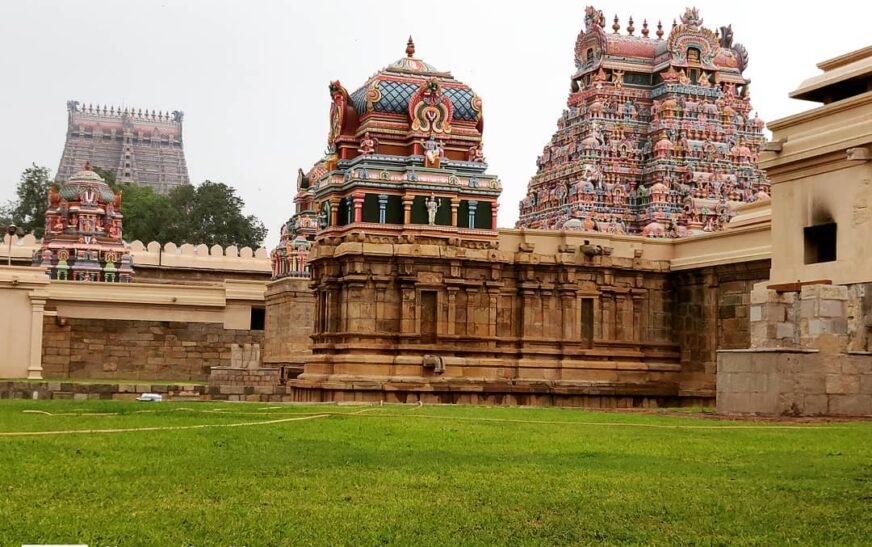
- Perur Pateeswarar Temple: A beautiful temple dedicated to Lord Shiva, known for its intricate carvings and architecture.
- Natural Attractions:
- Noyyal River: The river flows through Tiruppur and offers scenic views, though it faces pollution challenges due to industrial activities.
- Amaravathi Dam: Located about 50 kilometers from Tiruppur, it is a popular spot for picnics and boating.
- Industrial Tours: Tiruppur offers unique industrial tours for visitors interested in learning about the textile and garment manufacturing process.
Education and Research:
- Educational Institutions: Tiruppur is home to several prestigious educational institutions, including:
- Kumaraguru College of Technology
- Tiruppur Kumaran College for Women
- Sree Sakthi Engineering College
- Research Centers: The city has research facilities in textile technology and agriculture.
Transportation:
- Air: The nearest airport is Coimbatore International Airport, about 50 kilometers away, which connects Tiruppur to major domestic and international destinations.
- Rail: Tiruppur Railway Station is a major junction on the Indian Railways network, providing excellent connectivity to other parts of India.
- Road: The city is well-connected by national highways (NH-544 and NH-381) and state highways, making it accessible from Coimbatore, Erode, and other cities.
- Public Transport: The city has a network of buses operated by the Tamil Nadu State Transport Corporation (TNSTC).
Governance:
- Administration: Tiruppur is governed by the Tiruppur Municipal Corporation (TMC), which oversees civic infrastructure and services.
- Smart City Initiative: Tiruppur is part of the Indian government’s Smart Cities Mission, aimed at improving urban infrastructure, transportation, and quality of life.
Historical Significance:
- Industrial Growth: Tiruppur’s transformation from a small town to a major industrial hub began in the 20th century, driven by its textile and garment industry.
- Freedom Struggle: Tiruppur played a role in India’s freedom struggle, with several leaders and movements originating from the region.
Cultural and Industrial Heritage:
- Knitwear Capital: Tiruppur’s economy and identity are closely tied to its textile and garment industry, earning it the nickname “Knitwear Capital of India.”
- Cultural Festivals: The city’s cultural festivals, such as Pongal and Tamil New Year, showcase its rich heritage and traditions.
Tiruppur is a vibrant city that blends its rich industrial heritage with modern development. Its textile industry, educational institutions, and cultural festivals make it an important city in Tamil Nadu. Whether as an industrial hub, a cultural center, or a tourist destination, Tiruppur continues to grow and attract visitors and residents alike.
![Best Places to Visit & Things To Do in Western Water Catchment, Singapore [Updated-2026]](https://traveloinfo.com/wp-content/uploads/2025/11/singapore10.avif)
![Best Places to Visit & Things To Do in Western Islands, Jurong Island and Bukom [Updated-2026]](https://traveloinfo.com/wp-content/uploads/2025/11/singapore8.avif)
![Best Places to Visit & Things To Do in Tuas, Singapore [Updated-2026]](https://traveloinfo.com/wp-content/uploads/2025/11/singapore7.avif)
![Bangalore, Karnataka City Guide: Where To Go, Stay, Eat, And shop in India’s best city. [Updated-2025]](https://traveloinfo.com/wp-content/uploads/2025/02/bangaloref.jpg)
![Hyderabad, Telangana City Guide: Where To Go, Stay, Eat, And shop in India’s best city. [Updated-2025]](https://traveloinfo.com/wp-content/uploads/2025/02/hydrabad1.jpg)
![Ahmedabad, Gujarat City Guide: Where To Go, Stay, Eat, And shop in India’s best city. [Updated-2025]](https://traveloinfo.com/wp-content/uploads/2025/02/ahemadabad1.jpg)