
![Maa Kureisuni Temple, Near K. Kharida, Hinjilicut, Ganjam, Odisha : A Guide To What To Know Before You Go [Updated-2025]](https://traveloinfo.com/wp-content/uploads/2025/06/kareisuni16.png)
Maa Kureisuni Temple, Near K. Kharida, Hinjilicut, Ganjam, Odisha : A Guide To What To Know Before You Go
About Maa Kureisuni Mandir,Near K. Kharida, Hinjilicut, Ganjam, Odisha
Maa Kureisuni Temple is a well-known Hindu shrine located near Hinjali Cut in the Ganjam district of Odisha, India. The temple is dedicated to Maa Kureisuni, a revered local manifestation of the goddess Durga or Shakti, worshipped widely in the region.
Key Features of Maa Kureisuni Temple:
-
Location & Accessibility:
-
Situated near Hinjali Cut (Hinjilicut), a small town in Ganjam.
-
Easily accessible by road from Berhampur (Brahmapur), which is about 20-25 km away.
-
The temple is nestled amidst scenic surroundings, often attracting devotees and nature lovers.
-
-
Religious Significance:
-
The goddess is believed to be a powerful deity who grants blessings and fulfills the wishes of devotees.
-
Many devotees visit the temple, especially during Navratri, Durga Puja, and other Hindu festivals, to seek the goddess’s blessings.
-
-
Architecture & Ambience:
-
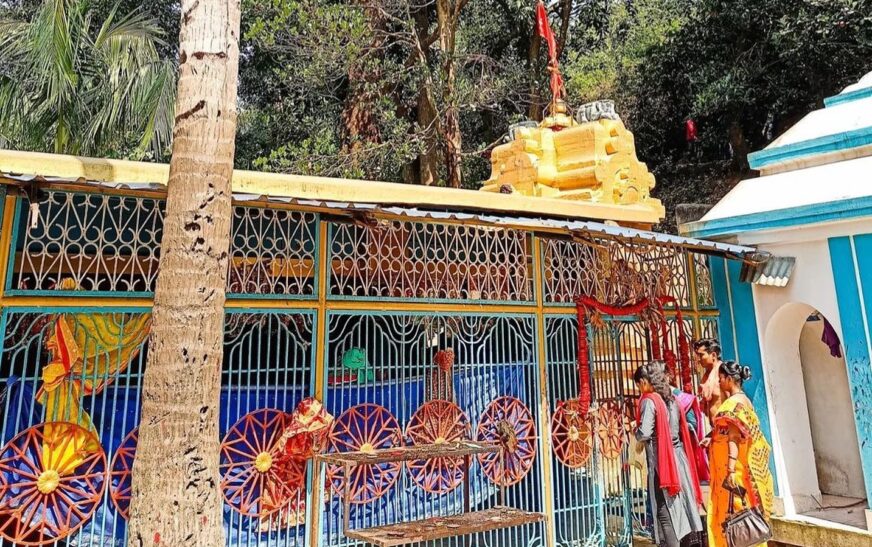
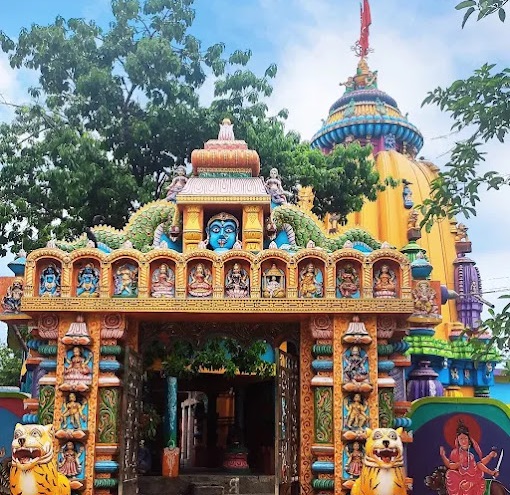
The temple showcases traditional Odia temple architecture.
-
The serene and spiritual atmosphere makes it a peaceful place for worship.
-
-
Local Beliefs & Rituals:
-
Animal sacrifices (mainly goats) were traditionally performed here, though such practices may have reduced due to modernization.
-
Devotees offer coconuts, flowers, and sweets as part of their prayers.
-
-
Nearby Attractions:
-
Tara Tarini Temple (a famous Shakti Peetha near Brahmapur).
-
Gopalpur Beach (a scenic coastal destination).
-
Buddhakhola (a natural waterfall and picnic spot).
-
How to Reach?
-
By Road: From Berhampur, take the NH16 towards Hinjilicut (around 30-40 minutes).
-
By Rail: The nearest railway station is Hinjilicut Railway Station (small station) or Berhampur Railway Station (major station).
-
By Air: The closest airport is Biju Patnaik International Airport, Bhubaneswar (around 180 km away).
About Maa Kureisuni Temple Tourism
Maa Kureisuni Temple Tourism – Near Hinjilicut, Ganjam, Odisha
Maa Kureisuni Temple is a significant spiritual and cultural destination in the Ganjam district of Odisha, attracting devotees and tourists alike. Located near Hinjilicut, this ancient shrine is dedicated to Goddess Kureisuni, a fierce form of Maa Durga or Shakti, revered for her protective and benevolent powers.
Why Visit Maa Kureisuni Temple?
1. Spiritual & Religious Significance
-
A powerful Shakti Peetha where devotees believe the goddess fulfills wishes and offers protection.
-
Special rituals, including animal sacrifices (Bali) in the past, though now mostly symbolic offerings like coconuts, fruits, and flowers are made.
-
Major festivals like Navratri, Durga Puja, Chaitra Parva, and Kali Puja see grand celebrations with large gatherings.
2. Scenic & Serene Environment
-
Surrounded by lush greenery and peaceful landscapes, making it ideal for meditation and relaxation.
-
The temple’s traditional Odia-style architecture adds to its rustic charm.
3. Cultural & Local Experience
-
Witness unique folk traditions, pujas, and local Odia customs followed by priests and devotees.
-
Interact with locals to learn about the temple’s legends and history.
4. Nearby Tourist Attractions
Since Maa Kureisuni Temple is relatively small, visitors often combine it with other nearby attractions:
A. Religious Sites
-
Tara Tarini Temple (35 km) – One of the 4 Adi Shakti Peethas, atop a hill with breathtaking views.
-
Maa Budhi Thakurani Temple, Berhampur (25 km) – Famous for the Thakurani Yatra festival.
-
Bhattarika Temple (60 km) – A scenic riverside shrine dedicated to Maa Saraswati.
B. Nature & Beaches
-
Gopalpur-on-Sea (40 km) – A serene beach with golden sands, water sports, and seafood.
-
Taptapani Hot Springs (70 km) – Natural sulfur springs with medicinal properties.
-
Buddhakhola Waterfall (90 km) – A hidden gem in a dense forest, ideal for trekking.
C. Historical & Wildlife Spots
-
Chilika Lake (Barkul/Satapada) (80-100 km) – Asia’s largest brackish water lagoon, home to Irrawaddy dolphins.
-
Dhabaleshwar Beach & Lighthouse (50 km) – A quiet beach with a British-era lighthouse.
Best Time to Visit
-
October – March (Pleasant weather, ideal for tourism).
-
Navratri (Sept-Oct) & Chaitra Parva (March-April) – Best for festive experiences.
-
Avoid peak summer (April-June) due to heat.
How to Reach?
By Road:
-
From Berhampur (Brahmapur): ~25 km (40 min via NH16).
-
From Bhubaneswar: ~180 km (4-5 hours via NH16).
By Train:
-
Hinjilicut Railway Station (small station, 5 km away).
-
Berhampur Railway Station (major station, 25 km away).
By Air:
-
Biju Patnaik Airport, Bhubaneswar (~180 km).
Travel Tips
✔ Dress modestly (traditional wear preferred).
✔ Carry cash for offerings (limited digital payments).
✔ Visit early morning or evening for a peaceful darshan.
✔ Combine with Tara Tarini & Gopalpur for a full-day trip.
Maa Kureisuni Temple is not just a pilgrimage site but also a gateway to exploring Ganjam’s culture, beaches, and nature. Whether you seek blessings or a quiet retreat, this temple offers a unique Odia spiritual experience.
Maa Kureisuni Temple Tourism History
The Maa Kureisuni Temple is a revered Shakti Peetha located near Hinjilicut in the Ganjam district of Odisha. This ancient temple is dedicated to Goddess Kureisuni (a form of Goddess Durga) and holds significant religious importance, attracting devotees and tourists alike.
Historical Significance
-
The temple is believed to be centuries old, with its origins linked to local folklore and tantric traditions.
-
According to legend, the goddess is worshipped here as a protector against epidemics and natural calamities.
-
The temple is also associated with tribal traditions, as the region has a strong tribal influence.
Tourism History
-
Pilgrimage Tourism: The temple has long been a pilgrimage site for devotees, especially during festivals like Durga Puja, Kali Puja, and Chaitra Parba.
-
Local & Regional Visitors: Initially, the temple primarily attracted local worshippers from Ganjam and nearby districts like Gajapati and Kandhamal.
-
Growing Popularity: Over the years, improved road connectivity (via NH-59) and word-of-mouth publicity have increased tourist footfall.
-
Government & Tourism Development: The Odisha Tourism Department has promoted lesser-known temples like Kureisuni under rural and spiritual tourism initiatives.
Festivals & Attractions
-
Chaitra Parba (March-April) is the biggest festival, drawing thousands of devotees.
-
The scenic surroundings, including hills and forests, add to the spiritual experience.
-
Nearby attractions include Tara Tarini Temple, Chilika Lake, and Buddhakhola.
Current Tourism Trends
-
Eco-Spiritual Tourism: Visitors combine temple visits with nature walks in the Eastern Ghats.
-
Digital Influence: Social media and travel blogs have boosted awareness among younger travelers.
-
Infrastructure Development: Better roads and basic facilities have made the temple more accessible.
How to Reach?
-
Nearest Town: Hinjilicut (around 10 km away).
-
Nearest Railway Station: Berhampur (approx. 30 km).
-
Nearest Airport: Biju Patnaik International Airport, Bhubaneswar (about 180 km).
The Maa Kureisuni Temple remains a hidden gem in Odisha’s spiritual tourism circuit, offering a blend of devotion, history, and natural beauty.
History of Maa Kureisuni Temple near Hinjilicut, Ganjam District
The Maa Kureisuni Temple, located near Hinjilicut in Ganjam district, Odisha, is an ancient Shakti Peetha with deep historical and mythological significance. The temple is dedicated to Goddess Kureisuni, a fierce form of Maa Durga or Maa Kali, worshipped for protection against evil and calamities.
Mythological Origins
According to local legends, the temple is associated with tantric traditions and tribal worship. Some key beliefs include:
-
Goddess as Protector: It is believed that Maa Kureisuni protects the region from epidemics, droughts, and natural disasters.
-
Tribal Connection: The deity was originally worshipped by local tribal communities before becoming a mainstream Hindu pilgrimage site.
-
Link to Shakti Peethas: Some devotees associate the temple with the 51 Shakti Peethas, though it is not officially listed among them.
Historical Background
-
Ancient Roots: The temple’s exact origin is unclear, but it is believed to be several centuries old, possibly dating back to the medieval period when Shakta (Goddess) worship was prominent in Odisha.
-
Tribal Influence: The region around Hinjilicut has a strong Sabara (tribal) culture, and the goddess was likely first worshipped by indigenous groups before being adopted into Brahminical Hinduism.
-
Royal Patronage: Some historical accounts suggest that local Ganjam zamindars (landlords) and Bhanja dynasty rulers supported the temple’s maintenance.
Cultural & Religious Significance
-
The temple is particularly famous for animal sacrifices (though declining due to modern reforms), especially during Chaitra Parba (March-April).
-
Devotees believe that offering prayers here helps in warding off evil spirits, diseases, and misfortunes.
-
The goddess is also considered a guardian deity for travelers and villagers in the surrounding areas.
Evolution as a Pilgrimage Site
-
Initially, the temple was a local tribal shrine, but over time, it gained prominence among Hindu devotees.
-
With improved road connectivity (NH-59) and government promotion of tourism, the temple now attracts visitors from across Odisha and neighboring states.
-
Festivals like Durga Puja, Kali Puja, and Chaitra Mela draw large crowds.
Nearby Historical & Tourist Attractions
-
Tara Tarini Temple (Famous Shakti Peetha near Brahmapur)
-
Budhakhola (Scenic waterfall and picnic spot)
-
Chilika Lake (Asia’s largest brackish water lagoon)
-
Gopalpur-on-Sea (Historic port and beach destination)
The Maa Kureisuni Temple is a blend of tribal traditions, tantric practices, and mainstream Hinduism, making it a unique spiritual site in South Odisha. While its early history remains shrouded in folklore, its enduring significance continues to draw devotees seeking the goddess’s blessings.
Maa Kureisuni Temple Tours & Travel Guide (Near Hinjilicut, Ganjam, Odisha)
The Maa Kureisuni Temple, nestled in the scenic landscapes of Ganjam district, is a hidden spiritual gem attracting pilgrims and tourists alike. If you’re planning a visit, here’s a complete guide to tours, transportation, and nearby attractions.
How to Reach Maa Kureisuni Temple?
By Road
-
From Brahmapur (Berhampur): ~30 km (1-hour drive via NH59)
-
From Hinjilicut: ~10 km (20-30 mins via local roads)
-
From Bhubaneswar: ~180 km (4-hour drive via NH16 & NH59)
Best Options: Private taxi, bike, or bus (regular buses available from Brahmapur to Hinjilicut).
By Train
-
Nearest Railway Station: Brahmapur Railway Station (30 km away)
-
Other Option: Chatrapur Railway Station (40 km away)
By Air
-
Nearest Airport: Biju Patnaik International Airport, Bhubaneswar (~180 km, 4-hour drive)
Temple Visiting Hours & Rituals
-
Opening Time: 6:00 AM
-
Closing Time: 8:00 PM
-
Best Time to Visit: Early morning or evening for a peaceful darshan.
-
Special Rituals:
-
Animal Sacrifice (Balidaan): Traditionally practiced but declining; now mostly symbolic.
-
Maha Aarti: Held twice daily (morning & evening).
-
Festivals: Chaitra Parba (March-April), Durga Puja, and Kali Puja attract huge crowds.
-
Nearby Tourist Attractions (Tour Itinerary Suggestions)
1. Spiritual & Temple Tours
-
Day Trip from Brahmapur:
-
Morning: Maa Kureisuni Temple
-
Afternoon: Tara Tarini Temple (one of Odisha’s 4 Adi Shakti Peethas)
-
Evening: Gopalpur Beach sunset
-
-
2-Day Ganjam Spiritual Tour:
-
Day 1: Maa Kureisuni → Budhakhola Waterfall → Taptapani Hot Springs
-
Day 2: Tara Tarini → Chilika Lake (Dolphin spotting) → Gopalpur Beach
-
2. Nature & Adventure Tours
-
Budhakhola Waterfall (30 km away) – Trekking & picnic spot.
-
Chilika Lake (50 km) – Boat ride, Irrawaddy dolphins, birdwatching.
-
Taptapani Hot Springs (70 km) – Natural sulfur springs.
3. Heritage & Beach Tours
-
Gopalpur-on-Sea (50 km) – Historic sea port, beach resorts.
-
Brahmapur Town – Visit ancient temples & local markets.
Where to Stay?
-
Budget: Guesthouses in Hinjilicut or Brahmapur.
-
Mid-Range: Hotels in Brahmapur (Hotel Nandan, Hotel Swosti Palm Resort).
-
Luxury: Gopalpur-on-Sea Resorts (Sterling, Swosti Palm).
Food & Local Cuisine
-
Temple Prasad: Traditional Odia offerings like Khichdi & Dalma.
-
Local Eateries: Try Brahmapur’s famous Gupchup, Dahibara, and Chenna Poda.
-
Seafood: Fresh catch at Gopalpur Beach shacks.
Travel Tips
Best Season: October-March (pleasant weather).
Dress Code: Modest clothing (avoid shorts/sleeveless inside temple).
Photography: Restricted inside sanctum; ask before clicking.
Guides: Local guides available for history & rituals.
Why Visit Maa Kureisuni Temple?
Offbeat Spiritual Experience – Less crowded than major temples.
Scenic Location – Surrounded by hills & forests.
Cultural Immersion – Witness tribal & tantric traditions.
Maa Kureisuni Temple: Complete Guide (Hinjilicut, Ganjam, Odisha)
Location & Significance
-
Address: Near Hinjilicut, Ganjam District, Odisha (10km from Hinjilicut town, 30km from Brahmapur)
-
Deity: Goddess Kureisuni (a fierce form of Maa Durga/Kali)
-
Type: Ancient Shakti Peetha with tribal roots
-
Specialty: Believed to protect against epidemics and evil forces
Temple Timings & Entry
-
Opening Hours: 6:00 AM to 8:00 PM daily
-
Darshan Duration: 30-45 minutes (longer during festivals)
-
Entry Fee: Free (donations accepted)
-
Best Time to Visit: October-March (cooler weather)
Historical Background
-
Origins:
-
Pre-15th century tribal shrine later adopted into Hinduism
-
Associated with Sabara tribe’s worship traditions
-
-
Architecture:
-
Traditional Kalinga-style temple structure
-
Simple shrine with ancient stone carvings
-
-
Legends:
-
Local belief that the goddess appeared to protect villagers from plague
-
Considered a “Gramadevata” (village guardian deity)
-
Rituals & Worship
-
Daily Rituals:
-
Morning: Mangala Arati (6 AM)
-
Evening: Sandhya Arati (6 PM)
-
-
Special Offerings:
-
Traditional Bali (sacrifice) of pumpkins/red chilies
-
Animal sacrifice now mostly symbolic
-
-
Festivals:
-
Chaitra Parba (March-April) – Main annual festival
-
Durga Puja (September-October)
-
Kali Puja (October-November)
-
How to Reach
-
From Brahmapur:
-
Road: 30km via NH59 (45-60 minutes)
-
Bus: Regular services to Hinjilicut (then auto/taxi)
-
-
From Bhubaneswar:
-
Road: 180km (4 hours via NH16)
-
Train: To Brahmapur (3 hours) then by road
-
Accommodation Options
-
Budget:
-
Hinjilicut: Basic lodges (₹500-800/night)
-
Brahmapur: Hotel Siddharth (₹800-1200)
-
-
Mid-Range:
-
Brahmapur: Hotel Nandan (₹1500-2500)
-
-
Luxury:
-
Gopalpur: Sterling Resort (₹4000+)
-
Food Facilities
-
Temple Prasad: Simple vegetarian meals
-
Nearby Eateries:
-
Local dhabas near Hinjilicut
-
Brahmapur for Odia thali & seafood
-
-
Specialty: Try Chenna Poda (caramelized cheese dessert)
Nearby Attractions
-
Within 30km:
-
Tara Tarini Temple (25km)
-
Budhakhol Waterfall (20km)
-
-
Within 50km:
-
Chilika Lake (45km)
-
Gopalpur Beach (50km)
-
-
Within 100km:
-
Taptapani Hot Springs (70km)
-
Bhubaneswar temples (180km)
-
Visitor Tips
-
Dress Code: Cover shoulders/knees
-
Photography: Restricted in inner sanctum
-
Facilities:
-
Basic toilets available
-
Limited parking space
-
Small shops for puja items
-
-
Accessibility: Some steps to climb
Ideal Visit Duration
-
Temple visit: 1-2 hours
-
Full day trip: Include Tara Tarini + Gopalpur
-
Weekend getaway: Combine with Chilika Lake
Shopping
-
Local handicrafts in Brahmapur
-
Religious items at temple shops
-
Seashell souvenirs at Gopalpur
Important Notes
-
Avoid monsoon (July-Sept) for road trips
-
Carry cash (limited ATM availability)
-
Respect local customs during rituals
Interesting things to visits near Maa Kureisuni Temple near Hinjilicut, Ganjam District
Here are the most interesting places to visit near Maa Kureisuni Temple in Hinjilicut, Ganjam district, each offering unique cultural, natural, and spiritual experiences:
1. Tara Tarini Temple (25km)
-
Why Visit: One of Odisha’s 4 Adi Shakti Peethas
-
Specialty: Twin goddesses worshipped on a hilltop
-
Unique Feature: Ropeway available to hilltop
-
Best Time: During Chaitra Mela (March-April)
2. Budhakhol Waterfall (20km)
-
Adventure Spot: Natural cascade perfect for picnics
-
Special Experience: Forest trek to reach the falls
-
Best Season: Post-monsoon (Oct-Dec) when water flow is strong
3. Chilika Lake (45km)
-
Asia’s Largest Brackish Water Lagoon
-
Must-Do:
-
Dolphin spotting at Satapada
-
Birdwatching at Nalabana Sanctuary
-
Kalijai Temple island visit
-
-
Unique Fact: Winter home to migratory birds from Siberia
4. Gopalpur-on-Sea (50km)
-
Historic Sea Port Turned Beach Resort
-
Attractions:
-
Old lighthouse with British-era architecture
-
Golden sand beach with water sports
-
Fresh seafood shacks
-
-
Special Experience: Full moon beach walks
5. Taptapani Hot Springs (70km)
-
Natural Sulfur Springs
-
Healing Properties: Believed to cure skin ailments
-
Facilities: Public bathing pools & private cabins
-
Best Time: Early morning for misty views
6. Chatrapur (30km)
-
Local Market Experience:
-
Famous for Berhampuri Patta sarees
-
Traditional Odia sweet shops
-
Weekly haat (market) for handicrafts
-
7. Bhetanai River Mouth (40km)
-
Offbeat Beach Destination
-
Unique Feature: River meeting the Bay of Bengal
-
Activities:
-
Fishing with local fishermen
-
Sunset photography
-
Shell collecting
-
8. Buguda Silk Weaving Village (35km)
-
Cultural Experience:
-
Watch traditional ikat weaving
-
Buy authentic Odisha handlooms
-
Interact with master weavers
-
9. Pati Sonepur (60km)
-
Tribal Village Experience:
-
Witness Kondh tribal culture
-
See ancient megalithic structures
-
Buy tribal handicrafts
-
10. Mahuri Kalua Temple (15km)
-
Unique Shiva Temple
-
Special Feature: Natural lingam formation
-
Festival: Shivratri celebrations
Bonus: Local Food Trail
-
Must-Try in Brahmapur:
-
Dahibara Aloodum at Kacheri Road
-
Gupchup near Kamapalli Square
-
Fresh seafood at Gopalpur beach shacks
-
Suggested Itineraries:
-
Spiritual Day Trip:
Maa Kureisuni → Tara Tarini → Mahuri Kalua -
Nature Lover’s Day:
Budhakhol → Bhetanai → Chilika sunset -
Cultural Weekend:
Buguda weaving → Pati Sonepur → Chatrapur market
Tip: Rent a bike in Brahmapur for flexible exploration. Many sites have minimal entry fees (₹10-50). Early starts recommended to avoid afternoon heat.
What to Expect Inside Maa Kureisuni Temple (Hinjilicut, Ganjam)
The Maa Kureisuni Temple offers a powerful spiritual experience with its ancient aura, unique rituals, and mystical ambiance. Here’s what you’ll find inside:
1. The Main Sanctum (Garbha Griha)
-
Deity: A fierce-looking idol of Goddess Kureisuni (a form of Maa Kali/Durga) adorned with red cloth, garlands, and gold ornaments.
-
Idol Features:
-
Dark stone idol with three eyes (like Kali)
-
Often draped in red or black saree (typical of Shakti temples)
-
Decorative silver crown and weapons (trishul, sword)
-
-
Vibes: Strong spiritual energy; many devotees report feeling an intense presence.
2. Unique Rituals & Offerings
-
Bali (Sacrificial Offerings):
-
Traditionally, animals (goats, chickens) were sacrificed (now mostly symbolic with pumpkins or coconuts).
-
Occasional “Mansa Puja” (fulfillment of vows) with special offerings.
-
-
Prasad: Simple khichdi, fruits, or sweets distributed to devotees.
-
Tantric Influence: Some tantric priests (Bohada/Dehuri) perform rituals—rare but fascinating to witness.
3. Temple Architecture & Features
-
Structure:
-
Small but ancient stone temple with a Kalinga-style shikhara (tower).
-
Dark interiors with oil lamps creating an eerie glow.
-
-
Sacred Spots Inside:
-
Homa Kund (Fire Pit): Used for special fire rituals.
-
Sacred Tree: Often a banyan or neem tree where devotees tie threads for wishes.
-
Stone Carvings: Faint but visible ancient carvings of deities.
-
4. The Temple Atmosphere
-
Sounds:
-
Constant ringing of bells and chanting of “Jai Maa Kureisuni!”
-
Drum beats (during festivals).
-
-
Smells:
-
Incense (dhuna), camphor, and flowers.
-
Earthy scent from the old stone structure.
-
-
Vibes:
-
Energetic yet peaceful—many devotees enter trance-like states.
-
Some report visions or strong intuitive feelings near the sanctum.
-
5. Special Experiences
-
Night Darshan (6-8 PM): More intense, with lamps lighting the deity dramatically.
-
Festival Days (Chaitra Parba, Kali Puja):
-
Firewalking (some devotees walk on burning coals).
-
Jagrans (Night Vigils) with devotional singing.
-
-
Local Stories:
-
Priests may share tales of miracles attributed to the goddess.
-
Some believe the goddess grants boons but demands strict discipline.
-
6. Rules & Etiquette
-
Dress Code:
-
Modest clothing (no shorts/sleeveless).
-
Red or yellow preferred (colors of Shakti).
-
-
Photography:
-
Not allowed inside sanctum (can take pics of outer areas).
-
-
Footwear: Must be removed before entering.
7. Nearby Temple Spots
-
Smaller Shrines Inside Complex:
-
Lord Shiva (often beside Kali in Shakti temples).
-
Hanuman or Bhairava (guardian deities).
-
visiting Maa Kureisuni Temple is not just about darshan—it’s an immersive spiritual journey. Expect:
Powerful deity presence
Ancient, mystical vibes
Unique tantric/tribal rituals
Strong local devotion
Tip: If possible, visit during weekdays for a quieter experience.
Opening & Closing Hours-Aarti/ Darshan Time Timings and Details-Darshan Timings –
Morning Timing :- 06:30AM to 12:30PM
Afternon timing :– 02:00PM to 05:00PM
Evening Timing :– 06:30PM to 08:30PM
Dress Code- Traditional and Formal clothes
Photography– Allowed
Prasad– Available
Address:
Best Time to visit : January to December
Opens Till : 6AM – 7PM
Entry fee : Free
Vehicle : Free
FAQS about Maa Kureisuni Temple
Who is Maa Kureisuni (Near Hinjilicut, Ganjam)?
Who is Maa Kureisuni? (The Fierce Goddess of Hinjilicut, Ganjam)
Maa Kureisuni is a powerful and revered form of Shakti (Divine Feminine Energy) worshipped primarily in the Hinjilicut region of Ganjam, Odisha. She is considered a gramadevata (village deity) with deep roots in tribal traditions, Tantra, and folk Hinduism.
1. Divine Identity & Forms
-
Manifestation: A fierce (ugra) form of Maa Kali or Durga, often depicted with:
-
Three eyes (like Kali)
-
Red or black complexion
-
Wielding weapons (trishul, sword)
-
-
Name Meaning:
-
“Kureisuni” possibly derives from:
-
“Kur” (local tribal dialect for “fierce”) + “Isuni” (goddess)
-
Or linked to “Krodheshwari” (angry form of Shakti)
-
-
2. Mythological & Folk Legends
-
Protector from Calamities:
-
Believed to have appeared to save villagers from epidemics, droughts, and evil spirits.
-
Some say she curses wrongdoers but blesses sincere devotees.
-
-
Tribal Origins:
-
Originally worshipped by Sabara tribes before merging into mainstream Hinduism.
-
Some rituals still reflect tribal-animist traditions (e.g., animal sacrifice).
-
-
Tantric Connection:
-
Considered a Tantric deity—some priests perform mantra sadhana here.
-
3. Unique Traits & Worship
-
Offerings:
-
Red flowers, vermillion (sindoor), liquor (in some rituals)
-
Animal sacrifice (historically practiced, now symbolic with pumpkins/red chilies)
-
-
Fierce Yet Motherly:
-
Though ugra (wrathful), devotees see her as “Mother” who protects like a tigress.
-
-
Festivals:
-
Chaitra Parba (Mar-Apr) – Biggest festival with firewalking & night vigils.
-
Kali Puja (Oct-Nov) – Special Tantric rituals.
-
4. How is She Different from Other Goddesses?
| Aspect | Maa Kureisuni | Other Kali/Durga Forms |
|---|---|---|
| Origin | Tribal-folk roots (Ganjam-specific) | Pan-Indian Puranic traditions |
| Appearance | Dark, often with tribal ornaments | Standard Hindu iconography |
| Rituals | Mix of tribal/Tantric/Hindu practices | Mostly Vedic or Agamic rituals |
| Local Belief | Strong village guardian role | Cosmic or philosophical significance |
5. Why Do People Worship Her?
-
For Protection: Against black magic, diseases, and enemies.
-
For Vow Fulfillment: Many tie threads on the temple tree for wishes.
-
For Tantric Siddhi: Some seek spiritual powers through her worship.
6. Interesting Legends
-
The Plague Goddess: Locals say she stopped a deadly plague by demanding worship.
-
The Curse of Disrespect: Stories warn that those who mock her face misfortune.
-
The Hidden Treasure: Some believe her idol conceals ancient tribal relics beneath.
7. Modern-Day Devotion
-
Still a living folk deity—farmers, students, and businessmen all seek her blessings.
-
Increasingly recognized in Odisha’s Shakti Peetha circuit.
In Essence: Maa Kureisuni is not just a temple idol—she’s a living force in Ganjam’s spiritual landscape, blending tribal faith, Tantra, and Hindu devotion into a unique goddess tradition.
Why Maa Kureisuni Temple (Near Hinjilicut, Ganjam) famous?
The Maa Kureisuni Temple, located near Hinjilicut in Ganjam district (Odisha), is a revered Shakti Peetha and holds deep spiritual significance. Here’s why it’s famous:
1. Ancient Shakti Peetha
-
Believed to be one of the 51 Shakti Peethas, where the “Kati” (waist) of Goddess Sati fell, according to Hindu mythology.
-
The presiding deity is Maa Kureisuni (a form of Durga/Shakti), worshipped alongside Lord Batuka Bhairava (Shiva’s fierce form).
2. Unique Rituals & Offerings
-
Animal Sacrifice (Bali): Though controversial, it’s a traditional practice during festivals (especially Dussehra), where devotees offer goats and chickens.
-
Tuesdays & Fridays: Special days for worship, drawing large crowds.
3. Dussehra Celebrations
-
The temple hosts grand festivities during Durga Puja and Dussehra, with vibrant processions, cultural performances, and fairs.
-
Devotees believe Maa Kureisuni grants protection and fulfills wishes.
4. Mystical Legends
-
Locals say the goddess’s idol self-manifested (Swayambhu) and was discovered under a Kurei (a type of plant), giving the temple its name.
-
Some believe the goddess cures diseases and blesses childless couples.
5. Scenic & Spiritual Ambience
-
Nestled amidst lush greenery and hills, the temple offers a serene, offbeat pilgrimage experience away from crowded tourist spots.
How to Visit?
-
Location: ~25 km from Brahmapur (Berhampur), en route to Hinjilicut.
-
Best Time: October-March (cool weather) or during Dussehra for festivities.
Controversy & Modern Shifts
-
Animal sacrifice is declining due to activism, with some devotees opting for symbolic offerings (like pumpkins).
A visit here blends faith, folklore, and raw traditional practices—perfect for those exploring Odisha’s spiritual heritage.
Why is Maa Kureisuni(Near Hinjilicut, Ganjam) Worshipped?
Maa Kureisuni, the fierce goddess worshipped near Hinjilicut in Ganjam, Odisha, is revered for several spiritual, mythological, and cultural reasons. Here’s why devotees worship her with deep devotion:
1. As a Powerful Shakti Peetha
-
Believed to be one of the 51 Shakti Peethas, where the “Kati” (waist) of Goddess Sati fell after Lord Vishnu’s discus cut her body.
-
The temple symbolizes the divine feminine energy (Shakti) and is paired with Batuka Bhairava (a fierce form of Shiva).
2. Fulfiller of Wishes & Protector
-
Devotees believe Maa Kureisuni grants boons, especially for:
-
Protection from evil (negative energies, black magic).
-
Curing diseases (locals attest to miraculous healings).
-
Fertility & childbirth (childless couples seek blessings).
-
3. Unique Rituals & Tribal Influence
-
Animal Sacrifice (Bali): Though declining, goats/chickens are offered during Dussehra/Kali Puja as part of ancient Tantric traditions.
-
Tuesdays & Fridays: Special days for worship with abhishekam (ritual bathing), sindoor (vermilion), and coconut offerings.
-
Tantric Practices: Some devotees follow secret rituals for spiritual power.
4. Mythological Legends
-
Self-Manifested Idol (Swayambhu): The goddess’s idol is said to have appeared naturally under a “Kurei” plant, giving her the name Kureisuni.
-
Local Folklore: Legends say a shepherd discovered the deity after being guided by a dream, leading to the temple’s establishment.
5. Cultural & Social Significance
-
Dussehra Celebrations: The temple hosts grand festivities with processions, fairs, and folk dances, attracting thousands.
-
Tribal & Hindu Syncretism: Reflects a blend of Adivasi traditions (local tribal worship) and mainstream Shakta Hinduism.
6. Natural Sacred Site
-
The temple’s serene location amidst forests and hills adds to its mystical aura, making it a power spot for meditation.
Modern Shifts in Worship
-
While animal sacrifice still occurs, many now opt for symbolic substitutes (like pumpkins or red cloth).
-
Growing popularity among urban devotees seeking spiritual experiences beyond mainstream temples.
Why Visit?
-
For divine blessings (health, prosperity, protection).
-
To witness living traditions of Odisha’s tribal-Hindu culture.
-
A less commercialized pilgrimage compared to famous Shakti Peethas.
What is the significance of Maa Kureisuni Temple(Near Hinjilicut, Ganjam)?
The Maa Kureisuni Temple near Hinjilicut in Ganjam district, Odisha, holds profound spiritual, cultural, and mythological significance. Here’s a detailed look at why this temple is revered:
1. Sacred Shakti Peetha
-
One of the 51 Shakti Peethas: According to Hindu mythology, the temple marks the spot where the “Kati” (waist) of Goddess Sati fell after Lord Vishnu dismembered her body to calm Shiva’s grief.
-
Divine Pairing: Maa Kureisuni (a fierce form of Durga/Shakti) is worshipped alongside Batuka Bhairava (Shiva’s guardian form), embodying the union of masculine and feminine cosmic energies.
2. Mythological Origins
-
Swayambhu Idol: The goddess’s idol is believed to be self-manifested (naturally emerged) under a Kurei plant, giving the deity her name (“Kureisuni”).
-
Shepherd’s Legend: Local lore says a shepherd discovered the idol after divine guidance in a dream, leading to the temple’s establishment.
3. Fulfiller of Desires & Protector
-
Wish-Granting Deity: Devotees believe Maa Kureisuni blesses them with:
-
Protection from evil spirits, black magic, and misfortune.
-
Healing from chronic illnesses (many attest to miracles).
-
Fertility and childbirth (childless couples seek her intervention).
-
-
Tantric Power: The temple is associated with Tantric rituals, attracting seekers of spiritual strength.
4. Unique Rituals & Traditions
-
Animal Sacrifice (Bali): Though controversial, goats and chickens are offered during Dussehra/Kali Puja as part of ancient customs. Modern devotees increasingly use symbolic substitutes (pumpkins, red cloth).
-
Special Worship Days: Tuesdays and Fridays witness intense devotion, with abhishekam (ritual bathing), sindoor offerings, and coconut-breaking.
-
Tribal Influence: The rituals reflect a blend of Adivasi traditions and mainstream Shakta Hinduism, showcasing Odisha’s cultural syncretism.
5. Grand Festivals
-
Dussehra/Durga Puja: The temple hosts vibrant celebrations with:
-
Processions of the goddess in ornate palanquins.
-
Folk dances (like Dhemsa) and cultural performances.
-
Fairs (Melas) attracting thousands of devotees.
-
6. Natural & Spiritual Ambience
-
Serene Setting: Nestled amidst forests and hills, the temple offers a tranquil retreat for meditation and devotion.
-
Offbeat Pilgrimage: Less commercialized than major Shakti Peethas, it provides an authentic experience of Odisha’s spiritual heritage.
7. Socio-Cultural Hub
-
Community Bonding: The temple fosters unity among locals, especially during festivals.
-
Living Heritage: Preserves ancient Odia traditions, from tribal art forms to oral storytelling.
Why Visit Maa Kureisuni Temple?
Divine Blessings: For health, prosperity, and protection.
Cultural Immersion: Witness unique tribal-Hindu practices.
Historical Mystique: Explore legends tied to the Shakti Peethas.
Note: While animal sacrifice persists, many devotees now advocate for ahimsa (non-violent) offerings.
Where is the Maa Kureisuni Temple(Near Hinjilicut, Ganjam) located?
The Maa Kureisuni Temple is located in the Ganjam district of Odisha, near the town of Hinjilicut. Here are the precise details for pilgrims and travelers:
Exact Location
-
Village: Kureisuni (or Kureisuni Pitha)
-
Nearest Town: Hinjilicut (~5 km away)
-
District: Ganjam
-
State: Odisha, India
-
Famous Landmark: Situated near the Rushikulya River, a sacred waterbody in the region.
How to Reach?
-
By Road:
-
From Brahmapur (Berhampur): ~25 km (1-hour drive) via NH16.
-
From Hinjilicut: ~5 km (15 mins) – Auto-rickshaws or local buses available.
-
From Bhubaneswar: ~180 km (4-hour drive) via NH16.
-
-
By Train:
-
Nearest Railway Station: Hinjilicut Railway Station (2 km from the temple).
-
Major Station: Brahmapur (Berhampur), well-connected to Chennai/Kolkata routes.
-
-
By Air:
-
Nearest Airport: Bhubaneswar Airport (BBI) (~185 km away).
-
Nearby Attractions
-
Taptapani Hot Springs (50 km): Sacred sulfur springs with healing properties.
-
Jaugada Rock Edicts (30 km): Ancient Ashokan inscriptions.
-
Rushikulya River Mouth (60 km): Olive Ridley turtle nesting site.
Tips for Visitors
-
Best Time to Visit: October–March (pleasant weather) or during Dussehra for grand festivities.
-
Dress Code: Traditional/modest attire preferred (saris/dhotis).
-
Facilities: Basic amenities available; carry water/snacks for convenience.
What is the best time to visit Maa Kureisuni Temple(Near Hinjilicut, Ganjam)?
The best time to visit Maa Kureisuni Temple near Hinjilicut, Ganjam, depends on weather, festivals, and spiritual significance. Here’s a detailed guide:
Ideal Time to Visit
-
October to March (Winter & Early Spring)
-
Weather: Pleasant (20–30°C), ideal for travel and temple visits.
-
Avoid Summers (April–June): Temperatures soar above 35°C, making daytime visits uncomfortable.
-
Monsoons (July–September): Lush greenery but heavy rains may disrupt travel.
-
-
Festival Periods (Grand Celebrations)
-
Dussehra/Durga Puja (Sept–Oct):
-
The temple comes alive with processions, animal sacrifices (Bali), and cultural performances.
-
Witness the goddess’s idol adorned in gold and silver ornaments.
-
-
Kali Puja/Diwali (Oct–Nov): Special rituals and night-time prayers.
-
Maha Shivaratri (Feb–Mar): Batuka Bhairava (Shiva) is worshipped intensely.
-
-
Tuesdays & Fridays
-
Considered highly auspicious for worship, attracting larger crowds.
-
Times to Avoid
-
Peak Summer (May–June): Scorching heat (up to 40°C).
-
Heavy Monsoon (July–Aug): Landslides or flooded roads in rural areas.
Best Time of Day
-
Early Morning (5–8 AM): Cool weather, serene atmosphere for meditation.
-
Evening Aarti (6–7 PM): Witness lamps and chants in a mystical setting.
Tips
Carry Water & Umbrellas – Limited shade in temple premises.
Dress Modestly – Traditional attire (saris/dhotis) preferred.
Check Festival Dates – Hindu calendars vary yearly.
Nearby Seasonal Attractions
-
Winter (Dec–Feb): Visit Taptapani Hot Springs for a therapeutic dip.
-
Spring (Mar–Apr): Explore Rushikulya River for Olive Ridley turtle nesting (if timing aligns).
For a spiritually charged experience, plan around festivals.
Is there a specific dress code to enter Maa Kureisuni Temple(Near Hinjilicut, Ganjam)?
Yes, Maa Kureisuni Temple near Hinjilicut, Ganjam, follows traditional dress code norms, though not overly strict. Here’s what you should know:
Dress Code Guidelines
-
Traditional Attire Preferred
-
For Women: Sarees or salwar kameez (avoid shorts, skirts, or sleeveless tops).
-
For Men: Dhoti-kurta or pants/shirt (remove shirts inside sanctum if required).
-
-
Modesty Matters
-
Avoid tight/revealing clothes (e.g., jeans, low-cut tops).
-
Shoulders and knees should ideally be covered as a sign of respect.
-
-
Footwear
-
Must be removed before entering the temple premises (like most Hindu shrines).
-
-
Festival/Special Rituals
-
During Dussehra/Kali Puja, devotees often wear red or white (colors associated with Shakti worship).
-
Note
-
While the temple is rural and less rigid than major pilgrimage sites, adhering to local customs shows respect.
-
Carry a scarf/shawl to cover your head if entering inner sanctums (optional but appreciated).
What to Bring?
-
A small bag for footwear (temple premises may not have storage).
-
Cash for offerings (flowers, coconuts, etc.).
Are there any facilities available for tourists at Maa Kureisuni Temple(Near Hinjilicut, Ganjam)?
The Maa Kureisuni Temple near Hinjilicut, Ganjam, is a rural shrine with basic facilities. Here’s what tourists can expect:
Tourist Facilities
-
Basic Amenities
-
Drinking Water: Available (carry your own bottle for convenience).
-
Restrooms: Limited public toilets nearby (not always well-maintained).
-
-
Prasad & Offerings
-
Small stalls sell flowers, coconuts, and sweets for offerings.
-
Mahaprasad (sanctified food) may be distributed during festivals.
-
-
Local Guides & Priests
-
Temple priests assist with rituals (donations appreciated).
-
Few English-speaking guides; know basic Odia/Hindi for communication.
-
-
Seating & Shelter
-
Limited shaded areas or benches in the temple courtyard.
-
Crowded during festivals; arrive early for space.
-
Limited/No Facilities
-
Accommodation: No staying options at the temple. Nearest lodges are in Hinjilicut (5 km) or Brahmapur (25 km).
-
Food Stalls: Only during festivals. Eat at nearby dhabas or carry snacks.
-
Parking: Unpaved space for bikes/cars (no dedicated parking).
-
ATMs: None on-site; withdraw cash in Hinjilicut/Brahmapur.
Tips for Tourists
-
Wear comfortable footwear (remove before entering).
-
Carry umbrellas/hats (limited shade).
-
Festival Visits: Expect crowds; plan for heat and long waits.
Nearby Support
-
Hinjilicut Town: Has pharmacies, basic eateries, and auto-rickshaws for hire.
-
Brahmapur: Full-fledged hotels, hospitals, and transport options.
While the temple is rustic, its spiritual aura compensates.
What are some of the rituals and practices followed at Maa Kureisuni Temple(Near Hinjilicut, Ganjam)?
1. Daily Rituals (Nitya Puja)
-
Mangala Aarti: Early morning prayer with lamps, bells, and chants to awaken the goddess.
-
Abhishekam: Ritual bathing of the idol with milk, honey, sandalwood paste, and sacred water (often on Tuesdays/Fridays).
-
Bhog (Food Offering): Simple offerings like fruits, coconut, and cooked rice (later distributed as prasad).
2. Special Occasions & Festivals
A. Dussehra/Durga Puja
-
Animal Sacrifice (Bali): Goats/chickens are offered (though declining due to activism; some use pumpkins or red cloth as substitutes).
-
Shodasha Upachara: 16-step worship with lamps, incense, and Vedic mantras.
-
Procession (Shobha Yatra): The goddess’s idol is carried in a palanquin with folk dances like Dhemsa.
B. Kali Puja/Diwali
-
Tantric Homam (Fire Ritual): Performed by priests to invoke the goddess’s fierce energy.
-
Night Vigil: Devotees stay awake singing bhajans and chanting hymns.
C. Navratri
-
Kumari Puja: Worship of young girls as manifestations of the goddess.
-
Sandhi Puja: A critical ritual at the juncture of Ashtami and Navami.
3. Unique Tantric & Tribal Practices
-
Mundan (Hair Offering): Devotees shave their heads as a vow for wishes fulfilled.
-
Sindoor Khela: Married women offer vermilion to the goddess for marital bliss.
-
Tying Sacred Threads: Red/yellow threads tied around trees or wrists for protection.
4. Devotee-Led Rituals
-
Manasika (Mental Vows): Silent prayers with offerings like lemons, chili, and coins to ward off evil.
-
Anga Pradakshina: Rolling around the temple perimeter as penance (rare).
5. Prohibitions & Customs
-
Non-Vegetarian Food: Avoided within temple premises (despite animal sacrifices).
-
Menstruating Women: Traditionally restricted from entering (though modern views are changing).
Practical Tips for Visitors
-
Participate Respectfully: Observe or join rituals only if comfortable.
-
Photography: Avoid during sacred rituals unless permitted.
-
Donations: Offer cash/items to the temple trust for maintenance.
The temple’s raw, unfiltered spirituality offers a glimpse into Odisha’s syncretic Hindu-tribal heritage.
Can tourists participate in the festivals and rituals at Maa Kureisuni Temple(Near Hinjilicut, Ganjam)?
Yes, tourists are welcome to participate in festivals and rituals at Maa Kureisuni Temple, but with certain cultural sensitivities and guidelines. Here’s what you need to know:
Participation in Festivals
-
Dussehra/Durga Puja (Oct–Nov)
-
Join processions: Witness the grand Shobha Yatra (deity’s palanquin parade) and folk dances like Dhemsa.
-
Offer prayers: Non-Hindus can observe or participate in aarti (lamp rituals) and flower offerings.
-
Avoid animal sacrifice: While still practiced, tourists are not expected to participate; symbolic offerings (coconuts, pumpkins) are acceptable.
-
-
Kali Puja/Diwali
-
Night vigil: Attend the fire rituals (homam) and cultural programs.
-
Light diyas: Join devotees in lighting lamps around the temple.
-
-
Navratri (Sept–Oct)
-
Kumari Puja: Observe the worship of young girls as goddess incarnations.
-
Ritual Participation
-
Abhishekam (Holy Bath): Tourists can pour water/milk over the idol if priests permit.
-
Prasad Offering: Buy coconuts/flowers from local stalls and offer them to the deity.
-
Tying Sacred Threads: Accept a red thread (raksha sutra) from priests for blessings.
Restrictions to Note
-
Inner Sanctum (Garbhagriha): Only Hindus may enter (common rule in many Indian temples).
-
Animal Sacrifice: Graphic rituals may distress some; maintain respectful distance.
-
Photography: Avoid during core rituals or without permission.
Etiquette Tips
-
Dress modestly: Shoulders/knees covered; traditional wear (sari/dhoti) appreciated.
-
Footwear: Remove before entering the temple.
-
Follow cues: Observe locals or ask priests for guidance.
Why Participate?
-
Experience Odisha’s living tribal-Hindu traditions.
-
Seek blessings from the fierce goddess in a powerful Shakti Peetha.
Is photography allowed inside Maa Kureisuni Temple(Near Hinjilicut, Ganjam)?
Photography at Maa Kureisuni Temple is subject to certain restrictions, especially during rituals. Here’s what you need to know:
Photography Rules
-
General Areas:
-
Usually Allowed: You can photograph the temple exterior, courtyards, and festival processions.
-
Respectful Distance: Avoid capturing close-ups of devotees in private prayer without consent.
-
-
Restricted Areas:
-
Inner Sanctum (Garbhagriha): Strictly prohibited (common rule in most Hindu temples).
-
During Rituals: Avoid photography during abhishekam, animal sacrifice (Bali), or aarti unless explicitly permitted.
-
-
Festivals & Crowds:
-
Dussehra/Kali Puja: Seek priest’s permission before clicking; chaotic scenes may require discretion.
-
Important Notes
-
Ask First: Temple authorities or priests may impose temporary bans. A polite inquiry helps.
-
No Flash: To maintain the sanctity and avoid disturbing worshippers.
-
Drones: Likely prohibited without special permission.
Tips for Visitors
Carry a Phone/Compact Camera: Bulky equipment may draw unwanted attention.
Capture Ethically: Focus on architecture, decorations, or landscapes rather than intrusive shots.
While the temple is less formal than urban shrines, respecting its spiritual ambiance is key.
Are there accommodations available near Maa Kureisuni Temple(Near Hinjilicut, Ganjam) for tourists?
Accommodations Near Maa Kureisuni Temple (Hinjilicut, Ganjam)
While the temple itself is in a rural setting, nearby towns offer basic to mid-range lodging options for pilgrims and tourists. Here’s a breakdown:
1. Nearest Stay Options (5–10 km from Temple)
-
Hinjilicut Town (~5 km):
-
Budget Lodges/Guesthouses: Basic facilities (e.g., Panthanivas Hinjilicut – OTDC-run guesthouse).
-
Dharamshalas: Temple-affiliated or charitable stays (contact local trusts).
-
-
Brahmapur (Berhampur) (~25 km):
-
Budget Hotels: Hotel Siddharth, Hotel Swosti (clean, AC rooms).
-
Mid-Range: OTDC Panthanivas Berhampur (near bus stand).
-
Pilgrim Dorms: Available at some mutts (e.g., Ramakrishna Mission).
-
2. Facilities to Expect
-
Basic Amenities: Fans, attached bathrooms (hot water may be limited).
-
Food: Most lodges have simple vegetarian meals; Brahmapur offers better dining.
3. Advanced Booking Tips
-
Festival Periods (Dussehra, Kali Puja): Book early in Brahmapur, as local stays fill quickly.
-
Online Platforms: Limited options; call hotels directly for reservations.
4. Alternative Options
-
Homestays: Rare but ask locals in Hinjilicut for referrals.
-
Taptapani (~50 km): Hot spring resorts like Taptapani Guest House (for a detox stay).
Note
-
No luxury hotels nearby. For comfort, stay in Brahmapur and commute.
-
Carry mosquito repellent and toiletries for rural lodges.
How can tourists reach Maa Kureisuni Temple(Near Hinjilicut, Ganjam)?
Here’s how to reach Maa Kureisuni Temple (near Hinjilicut, Ganjam, Odisha), a hidden Shakti Peetha known for its powerful Goddess worship:
Exact Location
-
Address: Kureisuni Pitha, Badakera village, Hinjilicut Block, Ganjam District (15km from Hinjilicut town).
-
Nearest Landmark: 3km from Rushikulya River (famous for Olive Ridley turtles).
How to Reach?
1. By Air
-
Nearest Airport: Bhubaneswar (BBI) ~150km away
-
From Airport: Pre-book taxi (~₹2500-3000) or take bus to Chatrapur (see road options below).
-
2. By Train
-
Best Stations:
-
Hinjilicut Railway Station (15km) – Regular passenger trains from Bhubaneswar/Berhampur.
-
Chatrapur Station (25km) – More express train options.
-
-
From Station: Auto-rickshaw (~₹300) or shared jeep (~₹50/person) to temple.
3. By Road
-
From Bhubaneswar (160km):
-
Route: NH16 → Chatrapur → Hinjilicut → Badakera (3.5hrs).
-
Buses: OSRTC buses to Hinjilicut (₹120), then auto to temple.
-
-
From Berhampur (40km):
-
Route: NH59 → Bhanjanagar → Hinjilicut (1hr).
-
Taxis: ~₹800 one-way.
-
Local Transport Tips
-
Last-Mile: No direct buses to temple. Options:
-
Auto-rickshaw from Hinjilicut (~₹200 roundtrip).
-
Village jeeps (ask near Hinjilicut market).
-
-
Road Condition: Paved but narrow after Badakera village (drive carefully).
Nearby Attractions to Combine
-
Tara Tarini Temple (35km) – Famous Shakti Peetha atop a hill.
-
Rushikulya Beach (20km) – Olive Ridley nesting site (Nov-Mar).
-
Buguda Silk Weaving Village (30km) – Handloom workshops.
Best Time to Visit
-
Weather: Oct-Mar (avoid monsoon flooding).
-
Festivals:
-
Durga Puja (Oct) – Grandest celebration.
-
Chaitra Parba (Apr) – Tribal dance performances.
-
Tips
-
Guides: Temple priests double as guides (offer ₹100 dakshina).
-
Parking: Available near temple (no fee but tip caretaker ₹20).
-
Shoes: Remove 50m before sanctum (carry socks for hot sand).
Are there any trekking opportunities around the Maa Kureisuni temple(Near Hinjilicut, Ganjam)?
While Maa Kureisuni Temple (near Hinjilicut, Ganjam) is primarily a spiritual destination, the surrounding region offers a few offbeat trekking opportunities blending nature, tribal villages, and sacred landscapes. Here’s what adventurous travelers can explore:
Trekking Routes Near Maa Kureisuni Temple
1. Badakera to Rushikulya River Trek (3km | Easy)
-
Route: Start at the temple → Walk through Badakera village → Follow dirt trails to Rushikulya River.
-
Highlights:
-
Scenic riverbanks (spot Olive Ridley turtle nests in winter).
-
Tribal fishermen drying nets on sandy shores.
-
-
Best Time: November-February (cool weather).
2. Kureisuni Hill Trek (5km | Moderate)
-
Route: Behind the temple → Ascend the forested hill believed to be the goddess’ abode.
-
Highlights:
-
360° views of Ganjam’s countryside.
-
Ancient tribal shrines hidden in the woods.
-
-
Caution: Rocky terrain – wear grippy shoes.
3. Tara Tarini Temple Trek (14km | Challenging)
-
Route: Temple → Ghatakeswar village → Steep climb to Tara Tarini Hilltop.
-
Why Go?
-
Combines Shakti Peetha pilgrimage with adventure.
-
Staircase trek (999 steps) or wilder forest trail option.
-
-
Reward: Panoramic views of Rushikulya Valley.
4. Buguda Silk Village Trail (Cultural Trek | 8km)
-
Route: Temple → Tribal hamlets → Buguda (famous for Berhampuri silk weaving).
-
Experience:
-
Watch artisans weave ikat sarees on handlooms.
-
Taste local mahua liquor (tribal brew).
-
Trekking Essentials
-
Guides: Hire a village guide (~₹200/day) in Badakera for hidden trails.
-
Safety: Avoid solo treks; inform priests/temple caretakers of your route.
-
Gear:
-
Sturdy shoes (terrain has thorns/rocks).
-
Water bottle (no shops en route).
-
Cotton scarf (protection from sun/dust).
-
Unique Experiences Along the Treks
-
Sacred Groves: Spot tantric symbols carved on ancient trees.
-
Village Encounters: Saora tribe settlements with painted mud houses.
-
Wildlife: Peacocks, hornbills, and occasional foxes.
Best Time for Trekking
-
October-March: Pleasant weather (15-28°C).
-
Avoid: Monsoon (July-Sept) – leeches and slippery trails.
Combine With Nearby Adventures
-
Rushikulya Beach Camping (20km from temple).
-
Chilika Lake Boat Ride (60km away – dolphins + migratory birds).
Tip: After trekking, cool off with tender coconut water sold near the temple entrance
Can one participate in the Kureisuni Temple(Near Hinjilicut, Ganjam)’s daily rituals?
Yes, you can participate in the daily rituals at Kureisuni Temple near Hinjilicut, Ganjam (Odisha), but it depends on the specific customs and rules followed by the temple authorities.
Things to Keep in Mind:
-
Timings: Check the temple’s daily schedule (puja timings), as rituals like Mangala Aarti, Sandhya Aarti, and Bhoga may have specific timings.
-
Permission: Some rituals may be open to all devotees, while others (like special abhishekams or inner sanctum rituals) might require prior permission.
-
Dress Code: Traditional, modest attire is preferred (avoid shorts, sleeveless clothes).
-
Offerings: You can participate in aarti and prasad distribution, but check if personal offerings (flowers, fruits) are allowed.
-
Festivals & Special Days: Participation may be more interactive during festivals like Makar Sankranti or Shivaratri, when larger rituals are held.
Best Way to Confirm:
-
Contact the temple priest or local authorities before visiting.
-
If you’re staying nearby, ask devotees or locals for guidance on participation.
Kureisuni Temple is a serene and spiritually significant place, so respectful participation in rituals can be a fulfilling experience.
Is photography allowed inside the Kureisuni Temple(Near Hinjilicut, Ganjam)?
Photography rules at Kureisuni Temple (near Hinjilicut, Ganjam, Odisha) may vary depending on the temple authorities and the sanctity of specific areas. Here’s what you should know:
General Guidelines for Photography:
-
Outer Temple & Surroundings – Usually allowed without restrictions.
-
Main Sanctum (Garbhagriha) – Often prohibited to maintain the sacred atmosphere.
-
During Rituals – Some temples discourage photography during aarti or puja to avoid distractions.
What You Can Do:
Ask for Permission – Check with the priest or temple staff before taking photos.
Avoid Flash – If allowed, use natural light to respect the spiritual ambiance.
Mobile vs. Camera – Some temples allow phone cameras but restrict professional/detachable lens cameras.
Best Practice:
-
If unsure, observe if other devotees are clicking pictures or ask a local for guidance.
-
Avoid photographing deities inappropriately (e.g., from behind or in incomplete attire).
Since Kureisuni Temple is a lesser-known but sacred site, maintaining decorum is appreciated. If you’re visiting for a special event, rules might be more flexible.
Is there parking available at the Kureisuni Temple(Near Hinjilicut, Ganjam)?
Yes, Kureisuni Temple (near Hinjilicut, Ganjam, Odisha) has basic parking facilities, but it is not a large, organized lot like in major temples. Here’s what you should know:
Parking Availability:
Free Parking – Available in an open space near the temple, mostly unpaved.
Two-Wheelers – Easy to park close to the entrance.
Four-Wheelers – Limited space; may get crowded during festivals or weekends.
Things to Keep in Mind:
-
No Dedicated Parking Attendants – You may need to self-park.
-
Festival Days (Makar Sankranti, Shivaratri, etc.) – Parking can get tight; arrive early.
-
Road Condition – The last stretch to the temple is a rural path, so drive carefully.
Alternative Options:
-
If parking is full, some visitors park along the wider roadside near the temple.
-
Auto-rickshaws from Hinjilicut are an option if you prefer not to drive.
Are there any special rituals or offerings at the Kureisuni Temple(Near Hinjilicut, Ganjam)?
Yes, Kureisuni Temple (near Hinjilicut, Ganjam, Odisha) has several special rituals and offerings that devotees can participate in. The temple, dedicated to Goddess Kureisuni (a local form of Shakti/Durga), follows traditional Odia customs with unique regional practices.
Special Rituals & Offerings:
-
Daily Pujas & Aarti
-
Mangala Aarti (Early morning)
-
Madhyanha Puja (Midday offering)
-
Sandhya Aarti (Evening ritual with lamps)
-
-
Special Offerings (Balya/Bhog)
-
Pana Bhoga (Sweet offerings, especially during festivals)
-
Manda Pitha (Traditional rice cake, common in Odisha)
-
Coconut & Fruits (Standard offerings)
-
Sari & Blouse Piece (Chola) (Offered to Goddess for blessings)
-
-
Festivals & Unique Rituals
-
Durga Puja (Major festival with Shodasha Upachara rituals)
-
Kumar Purnima (Young girls worship for prosperity)
-
Shivaratri (Special puja if the temple has a Shiva lingam)
-
Makar Sankranti (Offering of til ladoo and khichdi)
-
-
Tantric Influence (If Applicable)
-
Some Shakti temples in Odisha have Tantra-based rituals (done by priests only).
-
Can Devotees Participate?
-
Yes, in aarti and prasad distribution.
-
No, in tantric rituals (if any), which are priest-only.
-
Offerings can be made via the temple priest.
Best Time for Rituals?
-
Mornings (6–9 AM) – Less crowded, peaceful darshan.
-
Festivals – More vibrant but crowded.
Why is Kureisuni Temple(Near Hinjilicut, Ganjam) famous?
The Kureisuni Temple, located near Hinjilicut in Ganjam district (Odisha), is a revered Shakti Peetha with deep cultural and spiritual significance. Here’s why it’s famous:
1. Sacred Shakti Peetha
-
Believed to be an ancient Shakti shrine, where Goddess Kureisuni (a form of Durga/Kali) is worshipped as the presiding deity.
-
Local legends associate it with tantric traditions and tribal devotion, blending Odia and tribal (Dongria Kandha) spiritual practices.
2. Unique Goddess Worship
-
The goddess is revered as a granter of boons (Varada) and protector against evil.
-
Rituals include Chola offerings (sari/blouse pieces), animal sacrifices (historically, now symbolic), and Pana Bhoga (a sweet offering).
3. Festivals & Tribal Influence
-
Durga Puja and Kali Puja are celebrated with grand processions and tribal dances.
-
Makar Sankranti sees unique rituals like Danda Nacha (devotional dance).
-
The temple reflects the syncretism of Brahminical and tribal traditions.
4. Mystical Beliefs
-
Known for fulfilling wishes, especially for childless couples and those seeking protection.
-
The temple’s tantric past (though now subdued) adds to its mystique.
5. Scenic & Spiritual Ambience
-
Surrounded by lush greenery and near the Rushikulya River, offering a serene pilgrimage experience.
6. Lesser-Known Gem
-
Unlike crowded tourist temples, Kureisuni retains an authentic, offbeat charm, attracting devotees seeking a deeper connection.
How many steps are in Kureisuni temple(Near Hinjilicut, Ganjam)?
The exact number of steps leading to Kureisuni Temple (near Hinjilicut, Ganjam) isn’t widely documented, but based on visitor accounts and local information, here’s what you can expect:
Steps at Kureisuni Temple:
-
Approximately 50–60 stone steps lead up to the main temple complex, depending on the approach path.
-
The climb is moderate and manageable for most devotees, with shaded areas along the way.
-
The steps are flanked by natural surroundings, adding to the temple’s serene ambiance.
Things to Note:
-
No Handrails – The steps are traditional; elderly visitors may need assistance.
-
Festival Days – The pathway can get crowded during major festivals like Durga Puja.
-
Footwear – Remove shoes before climbing (a designated area is usually available at the base).
Alternative Access:
-
The temple might have a shorter route for elderly/disabled visitors (ask locals for guidance).
What is the story behind Maa Kureisuni(Near Hinjilicut, Ganjam)?
The story of Maa Kureisuni, the revered goddess of Kureisuni Temple near Hinjilicut (Ganjam, Odisha), is steeped in local folklore, tribal traditions, and Shakta (Shaktism) beliefs. While not as widely documented as major Hindu deities, her legend holds deep cultural significance in the region. Here’s what makes her unique:
1. The Tribal Connection
Maa Kureisuni is believed to be a syncretic form of Goddess Durga/Kali, worshipped by both tribal communities (like the Dongria Kandha and Sabara tribes) and Hindu devotees. Her name and iconography reflect a blend of:
-
Tribal animism (nature worship, especially forests and rivers).
-
Tantric Shakta traditions (rituals involving fierce goddess worship).
2. The Legend of Her Origin
Two popular narratives explain her presence:
A. The Self-Manifested Goddess (Swayambhu)
-
Locals believe the goddess self-manifested (Swayambhu) in the dense forests of Ganjam, revealed to a tribal hunter or shepherd in a dream or vision.
-
A red-colored stone (symbolizing her power) became her idol, later enshrined in the temple.
B. The Warrior Goddess Protecting Villages
-
Another legend claims she appeared to protect villages from a demon or invading forces. Her fierce form (like Kali) subdued evil, and she demanded blood sacrifices (now replaced with symbolic offerings like pumpkins or coconuts).
3. Tantric & Folk Rituals
-
Historically, the temple had tantric practices (now rare), including midnight rituals and animal sacrifices (phased out in modern times).
-
Unique offerings include:
-
Chola (sari/blouse pieces): Women tie these to seek blessings for fertility.
-
Pana (jaggery-based drink): Offered during summer festivals.
-
Kudra Khai (local grains): Tribal devotees offer harvested produce.
-
4. Association with Nature
-
The temple sits near the Rushikulya River and lush forests, tying Maa Kureisuni to fertility, harvests, and natural forces.
-
Villagers believe she controls rains and protects against droughts/diseases.
5. Festivals & Tribal Celebrations
-
Durga Puja: Her fierce form is celebrated with tribal dances (Dhemsa, Danda Nacha).
-
Chaitra Parva/Chaiti Ghata: A spring festival where tribals carry ceremonial pots (ghata) to the temple.
-
Kumar Purnima: Young girls fast for a blessed marital life.
Why Is She Unique?
-
Bridge Between Cultures: She embodies the harmony between tribal and Hindu traditions in Odisha.
-
Grantor of Wishes: Devotees believe she answers prayers for health, children, and protection.
How to reach Kureisuni temple(Near Hinjilicut, Ganjam)?
Here’s a detailed guide on how to reach Kureisuni Temple near Hinjilicut (Ganjam, Odisha), including transportation options and travel tips:
1. Nearest Major Landmarks
-
Hinjilicut (5 km away) – The closest town.
-
Berhampur (Brahmapur) (30 km away) – Nearest city with full facilities.
-
Rushikulya River – The temple is near its banks.
2. How to Reach Kureisuni Temple
By Air
-
Nearest Airport: Biju Patnaik International Airport, Bhubaneswar (~180 km away).
-
From Bhubaneswar, hire a taxi or take a bus/train to Berhampur, then proceed to Hinjilicut.
-
By Train
-
Best Railway Station: Berhampur (BAM) Railway Station (30 km from temple).
-
Regular trains from Bhubaneswar, Kolkata, Visakhapatnam, and Chennai stop here.
-
From Berhampur, take a taxi/auto-rickshaw (₹500–800) or bus to Hinjilicut, then a local auto (₹100–200) to the temple.
-
By Road
-
From Berhampur (30 km):
-
Drive via NH16 → Take the turn to Hinjilicut → Follow signs to Kureisuni Temple.
-
Bus: OSRTC buses run from Berhampur to Hinjilicut (₹20–50); then hire an auto.
-
-
From Bhubaneswar (180 km):
-
Drive via NH16 (4–5 hours) or take a bus to Berhampur, then proceed as above.
-
Local Transport (Last Mile)
-
From Hinjilicut, auto-rickshaws or private taxis are the only options (no direct buses).
-
The final stretch is a rural road (partly unpaved); SUVs/two-wheelers are ideal.
3. Travel Tips
-
Best Time to Visit: Early morning (6–9 AM) for fewer crowds and pleasant weather.
-
Road Condition: The last 2–3 km may be narrow; drive carefully during monsoons.
-
Parking: Available near the temple (free but limited space).
-
Mobile Network: BSNL/Jio work best in this rural area.
4. Nearby Attractions
-
Taptapani Hot Springs (70 km) – Sacred sulfur springs.
-
Gopalpur Beach (50 km) – Serene seaside retreat.
-
Jaugada Ashokan Edicts (40 km) – Ancient rock inscriptions.
Maa Kureisuni Temple Image Gallary
Maa Kureisuni Temple Tourist Map
![Best Places to Visit & Things To Do in Western Water Catchment, Singapore [Updated-2026]](https://traveloinfo.com/wp-content/uploads/2025/11/singapore10.avif)
![Best Places to Visit & Things To Do in Western Islands, Jurong Island and Bukom [Updated-2026]](https://traveloinfo.com/wp-content/uploads/2025/11/singapore8.avif)
![Best Places to Visit & Things To Do in Tuas, Singapore [Updated-2026]](https://traveloinfo.com/wp-content/uploads/2025/11/singapore7.avif)
![Best Places to Visit in Shirdi, Ahmadnagar, Maharashtra [Updated-2025]](https://traveloinfo.com/wp-content/uploads/2025/05/Shirdi_Sai_Temple.jpg)
![Maa Mahuri Kalua Temple in Banthapalli, Berhampur, Ganjam, odisha: A Guide To What To Know Before You Go [Updated-2025]](https://traveloinfo.com/wp-content/uploads/2025/06/mahurikalua13.jpg)
![Sri Baba Bateswar Temple : A Guide To What To Know Before You Go [Updated-2025]](https://traveloinfo.com/wp-content/uploads/2025/06/Sri-Baba-Bateswar-Temple1.jpg)
![Maa Tara Tarini Temple: A Guide To What To Know Before You Go [Updated-2025]](https://traveloinfo.com/wp-content/uploads/2025/06/tara4.jpg)