
![The Monsoon Magic of the Mountains: Why the Rains are the Best Time to Visit [Updated-2026]](https://traveloinfo.com/wp-content/uploads/2025/10/q2-872x547.webp)
The Monsoon Magic of the Mountains: Why the Rains are the Best Time to Visit
There’s a secret seasoned travelers know, one that most tourists never discover: the mountains don’t retreat during the monsoon; they transform. While most visitors plan their Himalayan escapes for the clear-skied months, they’re missing what many consider the mountains’ most magical season. The monsoon, roughly from July to September, doesn’t ruin the mountain experience—it elevates it to something truly extraordinary.
This isn’t about “making the best of bad weather.” This is about understanding that the rains reveal a different mountain personality altogether—one that’s more dramatic, more intimate, and in many ways, more authentic than its sunny-season counterpart.
The Great Misconception: Why People Avoid the Monsoon
Before we explore why the monsoon is magical, let’s address why most travelers avoid it:
-
Landslide fears – the most legitimate concern
-
Blocked views – assuming clouds will hide everything
-
Travel disruptions – road closures and cancellations
-
Leaches and mud – the ick factor
While these concerns have some basis, they represent only part of the story. With proper planning and the right mindset, the monsoon offers rewards that far outweigh these challenges.
The Emerald Transformation: When the Mountains Come Alive
The Greening of Everything
What’s brown and dusty in May becomes impossibly green by July. The monsoon works an almost overnight miracle, transforming the landscape into something from a fairy tale.
What You’ll Witness:
-
Hillsides that appear to be covered in velvet
-
Moss-covered stones glowing with vibrant green
-
Thousands of waterfalls where there were none
-
Terraced farms that look like emerald stairways to heaven
The intensity of green during monsoon is something that has to be seen to be believed. Photographers particularly treasure this season for the way the green pops against dark storm clouds and silvery waterfalls.
The Waterfall Phenomenon
During dry months, you might see a handful of notable waterfalls. During monsoon, the mountains become a living water feature, with countless temporary waterfalls appearing as if by magic.
Spectacular Displays:
-
Nohkalikai Falls in Cherrapunji becomes thunderous
-
Bhagsu Falls near Dharamshala turns into a roaring giant
-
Countless unnamed waterfalls appear throughout the Western Ghats
-
Even small streams become impressive cascades
The sound of water is constant—a soothing white noise that becomes the soundtrack of your monsoon mountain retreat.
The Atmospheric Drama: Nature’s Greatest Show
The Cloud Theater
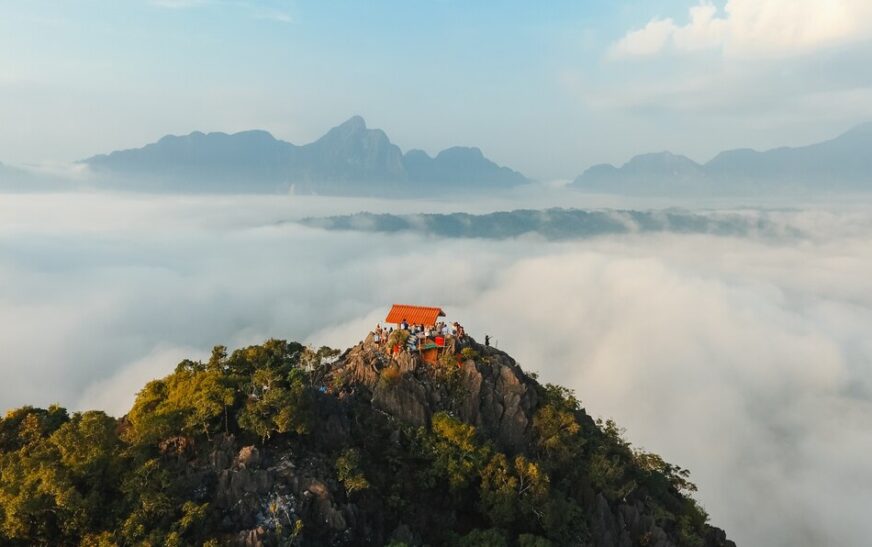
Forget about “blocked views”—the movement of clouds during monsoon creates a constantly changing spectacle that’s more interesting than any static mountain view.
The Cloud Experience:
-
Cloud rivers flowing through valleys
-
Sudden clearings that reveal peaks for precious moments
-
Cloud waterfalls spilling over ridges
-
The golden hour when sun breaks through storm clouds
The play of light and shadow across the landscape becomes a daily drama that never repeats itself. One moment you’re enveloped in mist, the next you’re watching sunlight spotlight a distant village.
The Light Quality
Monsoon light has a unique quality that photographers dream about. The moisture in the air acts as a natural diffuser, creating soft, even lighting that’s perfect for photography.
Lighting Magic:
-
Rain-washed landscapes appear more saturated
-
Mist creates natural layers and depth
-
Storm light creates dramatic contrasts
-
Everything glistens after rainfall
The Sensory Experience: More Than Just Views
The Soundscape
The monsoon mountains engage all your senses. The sound of rain on a tin roof, the distant rumble of thunder echoing through valleys, the constant gurgle of water—these become the mountain’s monsoon melody.
Audio Magic:
-
Rain on different surfaces creates varied rhythms
-
Enhanced bird calls in the clean, moist air
-
The powerful sound of swollen rivers
-
The crackle of a fireplace in the evening
The Smell of Petrichor
That distinctive smell when rain hits dry earth—petrichor—is particularly intense in the mountains. Combined with the scent of wet pine, damp earth, and blooming flowers, it creates an aroma therapy session no spa can match.
Mountain Aromas:
-
The crisp scent of rain-washed air
-
The sweetness of night-blooming flowers
-
The earthy smell of damp forest paths
-
Wood smoke from evening fires
The Practical Advantages: Why Monsoon Travel Rocks
The Solitude Factor
This might be the monsoon’s greatest gift: you get the mountains almost to yourself. The crowds that overwhelm popular hill stations from March to June disappear, leaving you with:
-
Empty trails and viewpoints
-
Hotels at 30-50% of peak season rates
-
Attentive service without the rush
-
Peaceful contemplation spaces
The Cultural Immersion
With fewer tourists around, you have better opportunities to connect with local life:
-
Shopkeepers have time to chat
-
You might be invited to local homes
-
Festivals are more authentic with fewer tourists
-
You experience daily mountain life as it really is
The Spiritual Connection
There’s something inherently meditative about being in the mountains during monsoon. The weather encourages introspection and creates perfect conditions for:
-
Yoga with rain sounds as background
-
Meditation in misty environments
-
Reading by a window with mountain views
-
Creative writing or artistic pursuits
Destination Guide: Where to Experience Monsoon Magic
The Western Ghats: Lush Paradise
Munnar, Kerala:
-
Tea plantations at their greenest
-
Misty valleys perfect for photography
-
Comfortable temperatures
-
Ayurvedic treatments enhanced by the season
Lonavala/Khandala, Maharashtra:
-
Waterfalls at their spectacular best
-
Emerald green valleys
-
Perfect for monsoon trekking
-
Close to Mumbai and Pune
The Eastern Himalayas: Mystical Beauty
Darjeeling, West Bengal:
-
Tea gardens glistening in rain
-
Amazing cloud movements
-
Fewer crowds at Tiger Hill
-
Romantic atmosphere
Shillong, Meghalaya:
-
Living root bridges in full glory
-
Countless waterfalls
-
Cleanest air in India
-
Unique Khasi culture
The Northern Himalayas: Adventure with Care
Dharamshala/McLeod Ganj, Himachal:
-
Lush forests and waterfalls
-
Tibetan culture experiences
-
Moderate rainfall compared to other regions
-
Good infrastructure
Mussoorie, Uttarakhand:
-
Classic hill station charm
-
The mall road without crowds
-
Kempty Falls in full flow
-
British-era architecture in mist
Monsoon Travel Essentials: Being Prepared
What to Pack
Clothing:
-
Quick-dry fabrics rather than cotton
-
Quality rain jacket with hood
-
Waterproof backpack cover
-
Multiple pairs of socks
-
Sturdy waterproof hiking shoes
Gear:
-
Waterproof phone case
-
Extra power banks (power cuts are common)
-
Headlamp or flashlight
-
Basic medical kit
-
Water purification tablets
Safety First
Landslide Awareness:
-
Check weather forecasts regularly
-
Heed local advice about road conditions
-
Avoid traveling during heavy rainfall
-
Have flexible plans
Health Considerations:
-
Leech socks for trekking
-
Water purification methods
-
Mosquito repellent
-
Basic cold and flu medication
Making the Most of the Weather
Daily Rhythm:
-
Mornings often have clearer weather
-
Plan indoor activities for afternoon heavy rains
-
Evenings can be surprisingly clear
-
Always have a Plan B
Unique Monsoon Experiences You Can’t Get Elsewhere
The Temporary Waterfall Hunt
Become a waterfall explorer, seeking out seasonal cascades that only exist during monsoon. Local guides can take you to hidden falls that aren’t on any map.
Cloud Forest Trekking
Experience the unique ecosystem of cloud forests, where trees are draped in moss and the air feels different. The Binsar Wildlife Sanctuary in Uttarakhand is particularly magical.
Monsoon Photography
The soft light, dramatic clouds, and vibrant greens create perfect conditions for landscape photography. Even amateur photographers can capture stunning images.
Tea Estate Visits
Watch the tea-picking process during the second flush season, then enjoy fresh monsoonal teas that have a unique character.
The Local Perspective: Why Residents Love Monsoon
Mountain residents often consider monsoon their favorite season, and for good reason:
-
Agricultural bounty – the lifeblood of mountain communities
-
Natural water recharge – ensuring water security
-
Tourist respite – a break from the busy season
-
Community time – more socializing indoors
-
Cultural activities – festivals and gatherings
Understanding this local perspective can enrich your own monsoon experience.
Sustainable Monsoon Travel
Traveling during monsoon can actually be more sustainable:
-
Reduced pressure on popular destinations
-
Economic support for locals during lean season
-
Lower environmental impact with fewer visitors
-
Cultural preservation through low-season tourism
By choosing monsoon travel, you’re helping create a more sustainable tourism model for mountain communities.
The Transformative Power of Monsoon Mountains
There’s something about being in the mountains during monsoon that changes people. The forced slowdown, the dramatic weather, the intensity of nature—it all combines to create a profoundly affecting experience.
Many travelers find that:
-
Creative blocks dissolve in the rain
-
Stress melts away with the sound of water
-
Perspectives shift watching cloud movements
-
Connections with travel companions deepen
It’s not just a vacation; it’s a recalibration of your relationship with nature and yourself.
Your Monsoon Mountain Journey Awaits
The monsoon mountains aren’t for everyone. They’re for travelers who:
-
Value atmosphere over convenience
-
Appreciate drama over predictability
-
Seek solitude over social scenes
-
Love nature in all her moods
If you’re willing to trade guaranteed sunshine for guaranteed magic, the monsoon mountains will reward you with an experience you’ll remember long after the rain has stopped.
The mountains are always beautiful, but during monsoon, they become alive in a way that’s impossible to capture in photographs or describe in words. It’s something you have to experience for yourself—the feeling of being surrounded by living, breathing, growing nature at its most vibrant and powerful.
![Shiv Temple, Ghansoli, Navi Mumbai [Updated-2026]](https://traveloinfo.com/wp-content/uploads/2026/07/nerul.jpg)
![Hanuman Temple, Kharghar [Updated-2026]](https://traveloinfo.com/wp-content/uploads/2026/07/HANUMAN.jpg)

![25+ Best Places to Visit in Panchgani, Maharashtra [Updated-2025]](https://traveloinfo.com/wp-content/uploads/2025/05/Mahabaleshwar_Elephants_Head_Point.jpg)
![25+ Best Places to Visit in Mahabaleshwar, Maharashtra [Updated-2025]](https://traveloinfo.com/wp-content/uploads/2025/05/Mahabaleshwar.jpg)
![Above the Clouds: A Traveler’s Guide to India’s Most Ethereal Hill Stations [Updated-2026]](https://traveloinfo.com/wp-content/uploads/2025/10/a11.jpg)
![Beyond Shimla & Manali: India’s Secret Hill Getaways You’ve Never Heard Of [Updated-2026]](https://traveloinfo.com/wp-content/uploads/2025/10/q2.webp)