
![More Than Diwali & Holi: India’s Hidden Festivals You Need to Experience [Updated-2025]](https://traveloinfo.com/wp-content/uploads/2025/10/electronic-music-band-performing-club_482257-79431-872x547.jpg)
More Than Diwali & Holi: India’s Hidden Festivals You NEED to Experience
When people think of Indian festivals, two names inevitably come up: Diwali—the dazzling festival of lights—and Holi—the riotous festival of colour. But travel‑savvy explorers know that the true pulse of India lies in its hidden, lesser‑known festivals—those rooted in tribal traditions, rural communities, seasonal cycles and regional culture. These festivals invite you off the beaten path, into experiences that are richer, more local and often far more memorable.
In this blog we’ll take you on a journey through five (and more) lesser‑known Indian festivals you should add to your travel list. We’ll cover what they are, where and when to experience them, why they matter, and how you can plan your trip.
Let’s dive in.
Why Focus on Hidden Festivals?
Authenticity & local flavour
Big festivals like Diwali and Holi are wonderful—but by now they are well‑known, highly commercialised, and crowded. Hidden festivals, in contrast, offer authentic cultural immersion, often in smaller communities or remote settings. You’ll find fewer tourists and more genuine local interaction.
Diversified cultural exposure
India isn’t a monolith. Each state, region and tribal community has its own calendar of festivals tied to harvests, seasons, deities, landscapes and local myth. Discovering a lesser‑known festival gives you access to an India many travellers never see.
Travel timing & pace
Many of these festivals happen outside peak tourism windows. That means lower costs, fewer crowds, and a more contemplative travel experience.
Sustainable tourism & respectful travel
By visiting lesser‑crowded festivals you help distribute the benefits of tourism beyond the usual hotspots. Plus you get to engage with traditions that remain vibrant because they haven’t been over‑exposed.
Top Hidden Festivals to Explore
Here are five standout festivals you likely haven’t heard enough about—plus a handful of additional quick‑ideas at the end so you have a deeper list to pick from.
1. Hornbill Festival – Nagaland (North‑East India)
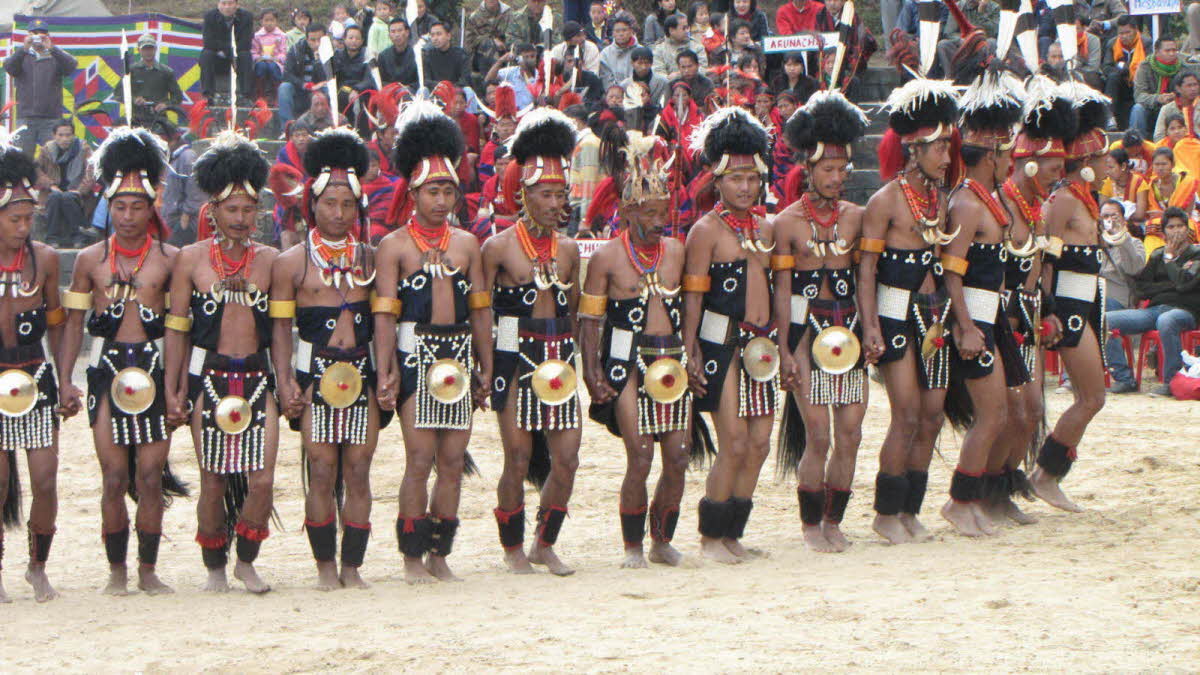


Where & When: Held annually in the first week of December in the state of Nagaland (India’s far north‑east). Iamnavigato
What’s it about: The festival brings together many of the Naga tribes in one place. Expect traditional attire, folk music and dance competitions, indigenous sports, crafts, and a celebration of cultural heritage. Iamnavigato
Why go: If you want to experience tribal culture, vibrant costumes, ancient rhythms and a strong sense of place, this event delivers. It’s far removed from mainstream tourism.
Travel tips:
-
Book your flights to Dimapur / Kohima well ahead (flights can be full).
-
Choose a stay near the festival venue but also allow time for exploring Nagaland’s scenic hill country.
-
Carry warm clothes—north‑east India gets cool in December.
-
Respect local customs: many events are open to visitors but still rooted in tribal traditions.
2. Puli Kali (Tiger‑Dance) – Kerala


Where & When: Part of the celebrations around Onam in the state of Kerala, particularly in Thrissur. Utsavs+1
What’s it about: Performers painted like tigers (and hunters) dance through the streets to drums and percussion, in a wild, colourful, theatrical display. indiatravel.com
Why go: For sheer spectacle with cultural depth—this is not just entertainment but a living folk art form tied to harvest and myth.
Travel tips:
-
Visit Thrissur during Onam and time your arrival to the Puli Kali sequence.
-
Stay in or near Thrissur to access the festivities easily.
-
Be prepared for crowds in the streets; arrive early for a vantage point.
-
Balance the festival visit with exploring Kerala’s backwaters and lush landscapes.
3. Chitra Vichitra Fair – Gujarat
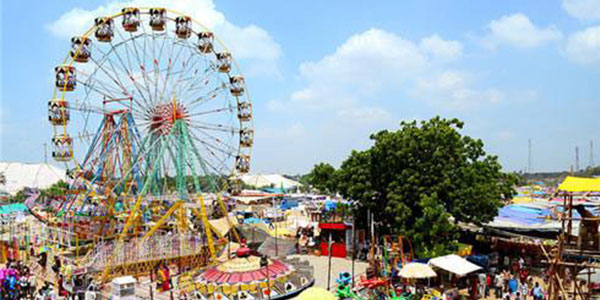
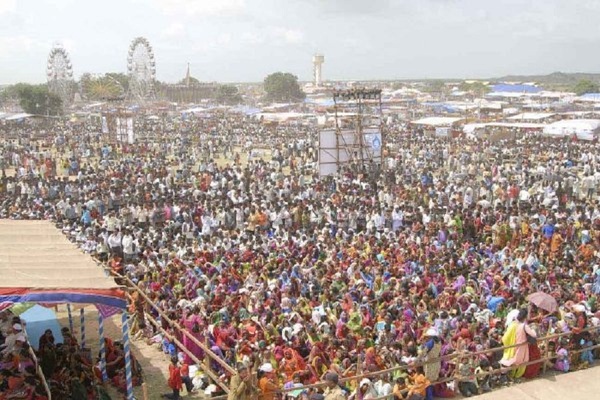

Where & When: Held annually in the village of Gunbhankhari, Poshina Taluka, Sabarkantha district, Gujarat (near the Rajasthan border), on the eve of the new moon after Holi (typically March/April). Wikipedia
What’s it about: A two‑day tribal fair where tribal families who have lost loved ones the previous year come to the sacred river confluence for ritual mourning and matchmaking. A unique mix of ritual, fair, reunion and celebration. Wikipedia
Why go: It’s deeply local, deeply rooted—and rarely on mainstream festival radar. You’ll walk into a world few travellers get to experience.
Travel tips:
-
Stay nearby (Poshina or Sabarkantha) and arrange transport to the fair‑site.
-
Bring modest clothing and respect rituals – this is a gathering of some emotional significance for participants.
-
Allow time around the fair for exploring the tribal regions of northern Gujarat.
4. Magh Bihu (Bhogali Bihu) – Assam
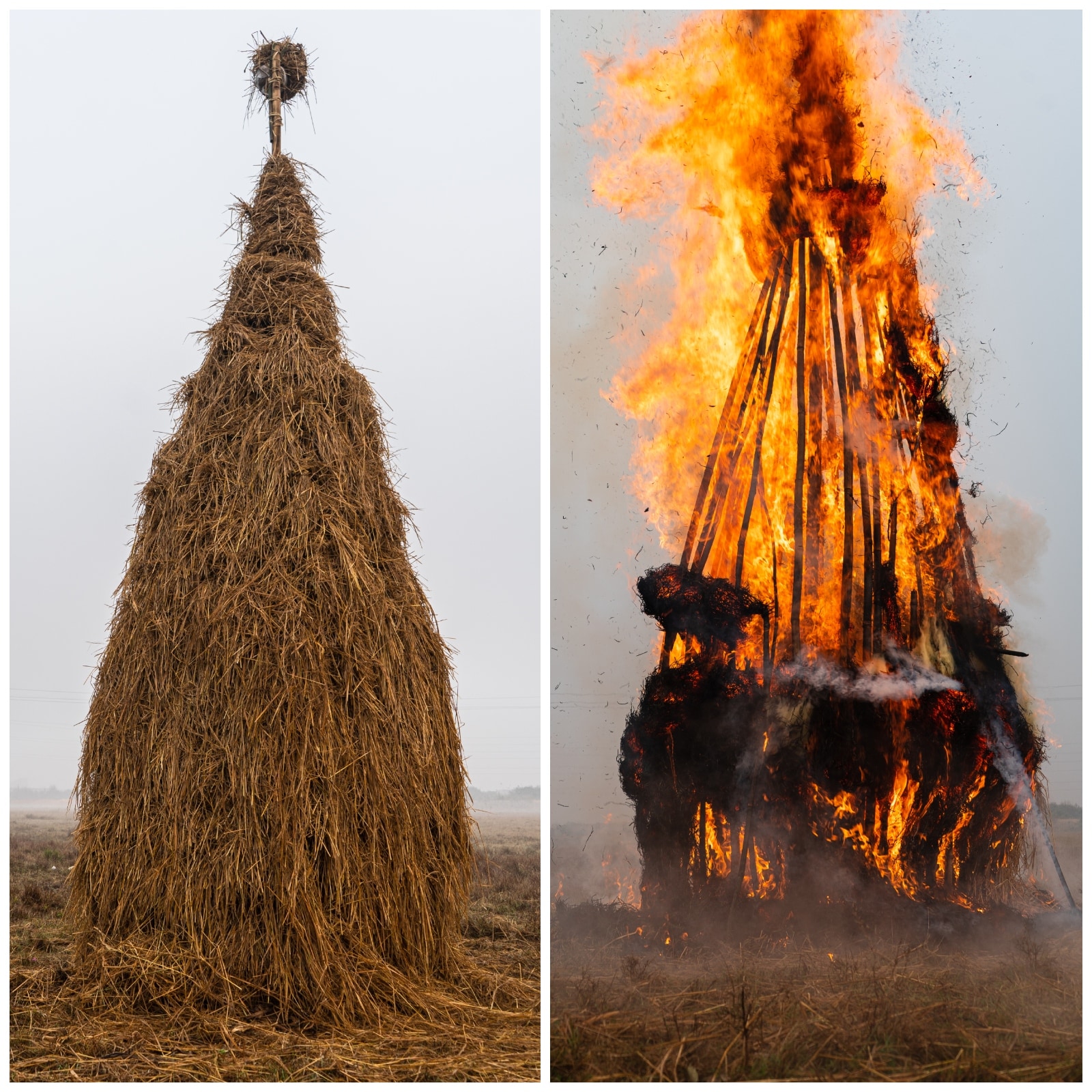


Where & When: Mainly celebrated in Assam (north‑east India) on or around 14–15 January, marking the end of harvest in the month of Magh. Wikipedia
What’s it about: Families erect huts (Bhelaghar) made of bamboo and leaves, feast in them, then burn the huts next morning (Meji). Traditions include rice cakes, special dishes, and local games. Wikipedia
Why go: Explore agrarian culture, community ritual, food, and a festival tied to nature’s cycle. This is “festivity” in its grassroots form.
Travel tips:
-
Aim for Assam’s rural regions rather than just the capital city (Guwahati).
-
Arrange stays that allow participation or observation in village settings.
-
Try the local cuisine—rice cakes, duck/duck‑based dishes, etc.
-
Note: weather in January can be cool in Assam; pack accordingly.
5. Nawakhani – Jharkhand / Chhattisgarh / Odisha
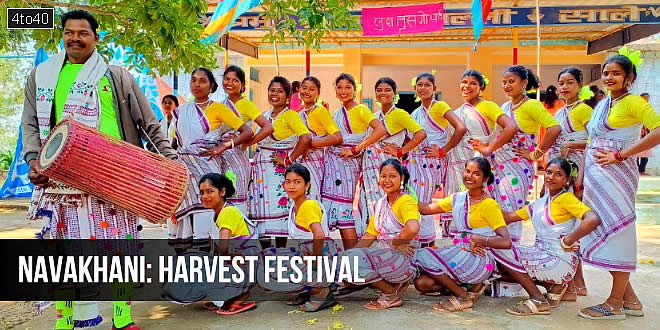


Where & When: Celebrated in Jharkhand, Chhattisgarh and Western Odisha; usually in September or October when the new harvest of rice is ready. Wikipedia
What’s it about: The name means “new eating” (nawa = new, khani = eat) – the community eats new grain, offers to the sun and ancestors, sacrifices animals (in some communities), and offers meat/fermented rice drink among the family. Wikipedia
Why go: A fascinating agricultural ritual, tied to tribal identities and food culture—they’re the kind of festival that gives you insight into living traditions rarely showcased in guidebooks.
Travel tips:
-
Travel into tribal regions: Ensure you understand local hospitality and customs.
-
Respect local traditions: Some rituals may involve animal offerings; enter as a respectful observer.
-
Combine festival visit with nearby natural attractions in Jharkhand/Chhattisgarh.
Bonus Picks: More Hidden Festivals Worth Your Calendar
If you want more options, here are a handful of festivals that didn’t get full sections above—but are compelling for travellers:
-
Garia Puja – Tripura: A tribal week‑long festival dedicated to the deity Garia, important in jhum cultivation. Whats Hot+1
-
Kunde Habba – Coorg (Karnataka): A tribal festival with an unusual festivity where participants mock or curse gods/objects in humorous catharsis. Whats Hot
-
Nongkrem Dance Festival – Meghalaya: A five‑day harvest festival of the Khasi tribe held in November, with ritual dancing to seek blessings for a good harvest. Utsavs+1
-
Hariyali Teej – Rajasthan: Marking the arrival of the monsoon, women swing on decorated swings, apply mehendi, indulge in festivities. Herzindagi+1
-
Madai Festival – Chhattisgarh: A moving tribal fair of the Gond community, where the festival moves from village to village. Utsavs
Planning Your Trip: How to Attend a Hidden Festival
Here are practical tips to help you choose, plan and make the most of your visit to one of these festivals.
1. Pick your festival and region
-
Match the festival’s date with your travel window and interests (heritage vs nature vs tribal culture).
-
Choose accessibility: Some festivals are easy to reach; others require travel into remote rural/tribal areas.
-
Consider the crowd & comfort level you’re comfortable with: Some are big fairs, some intimate village rituals.
2. Book logistics early
-
Flights/trains: Even lesser‑known festivals can attract many regional visitors—availability may be limited.
-
Accommodation: In remote areas, options may be basic. Consider homestays or local guesthouses.
-
Local transport: Getting to tribal regions or remote villages may mean booking in advance, arranging local guides.
-
Weather & gear: Many of these festivals are seasonal (monsoon, post‑harvest, winter) – pack accordingly.
3. Respect cultural & ritual contexts
-
Be a conscious observer: Research the festival’s significance, dress modestly, ask permission where required.
-
Photography: Some traditions may be sensitive; always ask or check guidelines.
-
Behaviour: Be on time for rituals, maintain respectful silence when needed, and avoid interfering with sacred spaces.
-
Environmental awareness: Many festivals are in fragile ecosystems—respect nature, dispose waste responsibly.
4. Immerse fully—don’t just arrive for a day
-
Try to arrive a day or two before the core event to observe build‑up and preparation.
-
Stay a day after the main event to catch aftermath, less‑crowded moments, local reflection.
-
Interact with locals: Ask about what the festival means for them, join in non‑ritual social spaces (food stalls, folk‑music corners).
-
Use the trip to explore the region beyond the festival: scenic landscapes, heritage sites, nature trails.
5. Reflect & share
-
Document thoughtfully: Use writing or photography to reflect on what you experienced—more than just snapshots of colour.
-
Consider how your travel helps sustainable tourism: Are you spending in local businesses? Are you respectful of traditions?
-
Share the lesser‑known story: When you return home, you might inspire others to look beyond the usual festival circuit.
SEO Tips for Readers (And Travel Bloggers)
-
Use keywords like “lesser‑known festivals in India”, “offbeat Indian festival travel”, “tribal festivals India autumn”, “hidden cultural festivals India” in titles/meta.
-
Include region/state keywords: e.g., “Nagaland festival December”, “tribal harvest festival Jharkhand”, “Kerala tiger dance festival Puli Kali”.
-
Use long‑tail phrases: “what to expect at Hornbill Festival”, “how to attend Puli Kali in Thrissur”, “when is Chitra Vichitra fair 2026”.
-
Include travel tips sections for each festival (timing, location, accommodation, what to pack) because these attract readers who are planning travel.
-
Use engaging visuals (photos of festival scenes), alt‑text with festival names and regions.
-
Link internally to regional tourism pages or festival official sites where possible.
Final Thoughts: More Than a Festival, A Voyage
When you attend one of these hidden festivals, you’re not just going to watch a spectacle—you’re entering a living tradition. You’ll feel the rhythm of drums in tribal villages, witness painted tigers dancing in Kerala streets, absorb harvest gratitude in rural Assam, and join in feasting on new rice in Jharkhand. These are experiences that travel memories are made of.
So next time you plan your India trip, instead of just “Holi in Mathura” or “Diwali in Varanasi” (both worthy!), consider stepping into the path less travelled. Choose one of these hidden festivals and you’ll return not just with photos—but with stories, connections, and a deeper understanding of India’s cultural kaleidoscope.
Would you like a full calendar of hidden festivals by month & region (so you can pick when/where to go), or help narrow down 2‑3 that are doable from Maharashtra (your base) in next 12 months? I can pull that together for you.
![Shiv Temple, Ghansoli, Navi Mumbai [Updated-2026]](https://traveloinfo.com/wp-content/uploads/2026/07/nerul.jpg)
![Hanuman Temple, Kharghar [Updated-2026]](https://traveloinfo.com/wp-content/uploads/2026/07/HANUMAN.jpg)

![India’s Calendar of Joy: A Month-by-Month Guide to Unforgettable Festivals [Updated-2025]](https://traveloinfo.com/wp-content/uploads/2025/06/Kumbh-Mela11.jpg)
![Where the Gods Come to Earth: A Journey Through India’s Most Spectacular Religious Festivals [Updated-2025]](https://traveloinfo.com/wp-content/uploads/2025/10/woman-holding-hand-while-taking-selfie-her-friend_23-2147910755.jpg)
![The Rhythm of India: A Traveler’s Guide to Festivals of Music, Dance, and Dance [Updated-2026]](https://traveloinfo.com/wp-content/uploads/2025/10/nightlife-with-people-dancing-club_23-2149052762.jpg)
![A Carnival of Colors, Lights, and Camels: The Quirky Side of Indian Fairs [Updated-2026]](https://traveloinfo.com/wp-content/uploads/2025/10/low-angle-shot-colorful-umbrellas-hanging-middle-buildings-with-cloudy-sky_181624-3347.jpg)