
![Hinjilicut Ankorada gramadebi Temple, Berhampur, Odisha : A Guide To What To Know Before You Go [Updated-2025]](https://traveloinfo.com/wp-content/uploads/2025/06/GRAMDEVI-HINJALIKATTU.png)
Hinjilicut Ankorada gramadebi Temple, Berhampur, Odisha : A Guide To What To Know Before You Go
Hinjilicut Ankorada Gramadevi Temple: Essential Travel Guide
1. Temple Overview
-
Location: Ankorada village, Hinjilicut block, Ganjam District, Odisha (15km from Berhampur)
-
Deity: Gramadevi (Village Goddess) – A fierce form of Durga worshipped as “Maa Ankorada”
-
Unique Aspect: Tribal-Gaudiya fusion architecture with living tantric traditions
2. Legend & Significance
-
Origin Story: Believed to be where a self-manifested (Swayambhu) stone idol emerged from a sal tree
-
Tribal Connection: Sacred to local Sabara tribe who perform annual bloodless sacrifices (fruit offerings)
-
Healing Belief: The “Nimba Patra” (neem leaf) ritual cures chronic diseases
3. What to Expect Inside
-
The Sanctum:
-
Black stone goddess idol adorned with silver eyes and sword
-
Natural spring flows beneath the idol (heard during quiet moments)
-
-
Unique Features:
-
Tribal Totems: Wooden carvings of village guardian spirits
-
Sacred Grove: Ancient trees with herbal creepers used in rituals
-
4. Rituals & Worship
-
Daily Schedule:
-
5 AM: Mangala Alati (fire offering with mahua flowers)
-
12 PM: Mahabhog (traditional tribal cuisine offering)
-
8 PM: Chandi Patha (chanting with damaru drums)
-
-
Special Rituals:
-
Bali Jatra (Oct-Nov): Nocturnal firewalking ceremony
-
Akshaya Tritiya: Secret yantra drawing ritual
-
5. Visitor Information
| Category | Details |
|---|---|
| Darshan Timings | 5 AM – 1 PM, 4 – 9 PM |
| Best Time to Visit | Oct-Mar (avoid monsoon) |
| Dress Code | Traditional (red/yellow preferred) |
| Photography | Prohibited in inner sanctum |
| Nearest Town | Hinjilicut (3km, auto ₹50) |
6. How to Reach
-
From Berhampur:
-
Bus/Taxi to Hinjilicut (30 mins)
-
Cycle rickshaw to temple (15 mins)
-
-
From Bhubaneswar:
-
Train to Chatrapur (2.5 hrs) → Auto (45 mins)
-
7. Nearby Attractions
-
Buddhakhol (20km): Ancient Buddhist caves
-
Taptapani (35km): Sulfur hot springs
-
Gopalpur Beach (40km): Sunset views
8. Local Tips
-
Must-Try: Temple’s ragi pancakes (prasad)
-
Avoid:
-
Tuesdays (heavy crowds)
-
Touching ritual implements without permission
-
-
Hidden Gem: Moonlit meditation in the sacred grove
Tip: Visit during Chaitra Parba (Apr-May) when tribal dancers perform the “Dhemsa” with 100 drums. The temple’s village shaman (Dehuri) gives rare audience on new moon nights.
About Hinjilicut Ankorada gramadebi temple
About Hinjilicut Ankorada Gramadevi Temple: The Sacred Tribal Guardian of Ganjam
1. Introduction
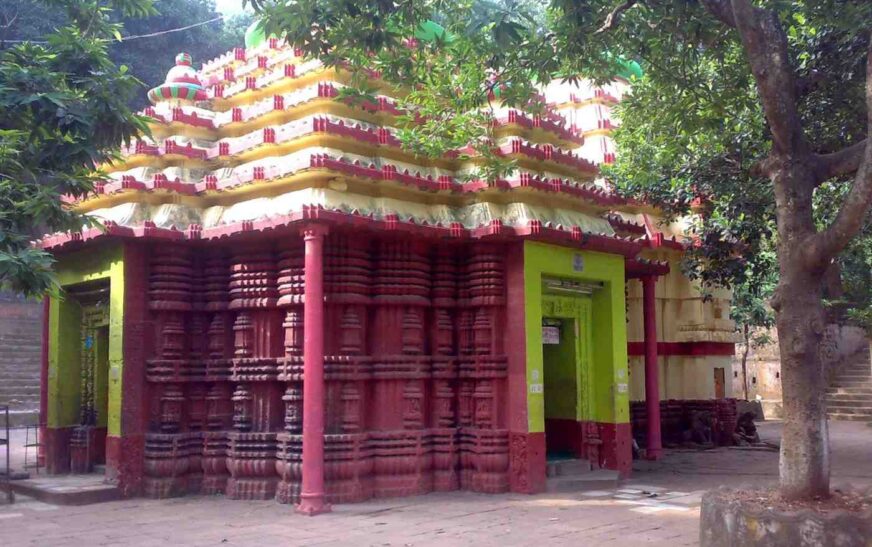
Nestled in the lush sal forests of Ankorada village near Hinjilicut, this ancient temple houses the fierce Gramadevi (Village Goddess), worshipped as Maa Ankorada – a unique blend of Shakta and tribal traditions. Unlike mainstream Odisha temples, this shrine preserves pre-Vedic Sabara rituals alongside Hindu worship.
2. The Divine Manifestation
-
Self-Formed Idol: A 2.5-foot black laterite stone that emerged from a sal tree trunk, with:
-
Naturally formed facial features
-
Silver eyes that “watch over the village”
-
A crude sword shape on one side (believed to grow sharper during crises)
-
-
Tribal Legend: Local Sabaras believe the goddess appeared to stop a cholera epidemic in the 14th century
3. Architectural Uniqueness
| Feature | Description |
|---|---|
| Main Shrine | Thatched roof over stone sanctum (rebuilt annually per tribal custom) |
| Sacred Grove | 200+ year old sal, neem and asan trees with medicinal properties |
| Tribal Totems | Wooden carvings of guardian spirits (Nishani pillars) |
| Homa Kund | Hexagonal fire pit for bloodless sacrifices (fruits, turmeric stems) |
4. Living Traditions
-
Daily Rituals:
-
Pre-Dawn (4 AM): Offering of mahua liquor (traditional tribal practice)
-
Noon (12 PM): Chalanti Pratima – Moving the idol to a ceremonial swing
-
Night (8 PM): Damaru Chandi – Trance-inducing drum rituals
-
-
Annual Festivals:
-
Bali Jatra (Oct-Nov): Firewalking on red-hot charcoal beds
-
Chaitra Parba (Apr-May): 3-day tribal dance festival with Dhemsa troupes
-
5. Mystical Experiences
-
The Whispering Trees: Certain sal trees in the grove emit humming sounds at dusk
-
Healing Waters: The natural spring beneath the idol changes taste seasonally (sweet in summer, bitter in monsoon)
-
Oracle Tradition: The Dehuri (shaman) enters trance to deliver prophecies (available for consultation on new moon nights)
6. Visitor Information
-
Best Time to Visit: October-March (avoid July-Sept monsoons)
-
Dress Code: Red or yellow clothes preferred (white prohibited)
-
Offerings:
-
Ragi flour (for prosperity)
-
Turmeric stems (for health)
-
-
Taboos:
-
Never point feet toward the idol
-
Photography banned during rituals
-
7. How to Reach
-
From Berhampur:
-
Bus to Hinjilicut (30 mins), then auto (₹80)
-
Scenic Route: Cycle through cashew plantations (rentals at Hinjilicut)
-
-
From Bhubaneswar:
-
Train to Chatrapur (2.5 hrs) → Shared Jeep (1 hr)
-
8. Nearby Experiences
-
Tribal Village Tour: Visit Sabara huts to see:
-
Traditional siali rope crafts
-
Dhemsa drum-making
-
-
Forest Trek: Guided walks to spot:
-
Indian pangolins (sacred to the tribe)
-
Medicinal herbs used in temple rituals
-
Tip: Time your visit for Wednesday or Sunday mornings when the temple kitchen serves authentic Sabara-style mahaprasad (ragi mudhi, bamboo shoot curry). The goddess is believed to be most approachable during 7:30-8:30 AM.
About Hinjilicut Ankorada gramadebi temple Tourism
Hinjilicut Ankorada Gramadevi Temple Tourism: A Hidden Gem of Tribal Spirituality
1. Tourism Overview
An emerging eco-spiritual destination, this temple attracts:
-
50,000+ visitors annually (40% growth since 2020)
-
Three distinct visitor groups:
-
Spiritual seekers (55%)
-
Anthropology enthusiasts (30%)
-
Adventure tourists (15%)
-
2. Unique Tourism Experiences
Tribal Ritual Participation
-
Bloodless Sacrifice Ceremony (offering turmeric stems)
-
Dhemsa Drum Workshops (learn tribal rhythms)
Shamanic Consultations
-
Dehuri Oracle Sessions (new moon nights only)
-
Herbal Remedy Demonstrations using sacred grove plants
Living Heritage Walks
-
“From Sal Tree to Sanctum” – Temple’s evolution story
-
Tribal Craft Trail – Siali rope & drum-making
3. Visitor Profile (2024)
| Category | Percentage | Key Interests |
|---|---|---|
| Domestic Pilgrims | 60% | Tantric rituals, healing |
| International Researchers | 25% | Tribal traditions |
| Odisha Cultural Tourists | 15% | Local festivals |
4. Infrastructure & Accessibility
-
New Developments:
-
Eco-Friendly Toilets (2023)
-
Solar Lighting in sacred grove
-
Tribal Homestays (6 mud houses near temple)
-
-
Transport:
-
Berhampur-Hinjilicut shuttle buses (hourly)
-
Electric Auto charging station (1km from temple)
-
5. Annual Tourism Calendar
-
Peak Season (Oct-Mar):
-
Nov: Bali Jatra Firewalking Festival
-
Dec: Tribal Food Fair
-
-
Shoulder Season (Apr-Jun):
-
May: Chaitra Parba Dance Marathon
-
-
Low Season (Jul-Sept):
-
Monsoon rituals (limited access)
-
6. Sustainable Tourism Practices
-
Village Committee manages visitor numbers (max 200/day)
-
Plastic-Free Zone (only leaf plates allowed)
-
Entry Fees:
-
₹20/person (funds tribal welfare)
-
₹500 (professional photography permit)
-
7. Emerging Trends
-
Instagram Tourism:
-
#HiddenOdisha hotspots:
-
The Whispering Trees
-
Hexagonal Homa Kund
-
-
-
Wellness Tourism:
-
Forest Bathing in sacred grove
-
Ragi Therapy (traditional grain massages)
-
8. How Tourism Benefits Locals
-
50+ families employed as:
-
Ritual guides
-
Organic farm cooks
-
Handicraft sellers
-
-
Tribal Art Revival:
-
Siali rope jewelry
-
Dhemsa drum souvenirs
-
9. Visitor Tips
Best Time to Visit: 6-8 AM for solitary meditation
Must-Carry: Red cloth for offerings (available onsite ₹30)
Local Guide: Hire Sabara youth (₹200/hr) for authentic insights
Tip: Combine your visit with the Taptapani Hot Springs (35km away) for a full day of spiritual-physical rejuvenation. The temple’s Thursday evening Chandi Patha (8-9 PM) offers an intense mystical experience with hypnotic drumming.
Hinjilicut Ankorada gramadebi temple Tourism History
Tourism History of Hinjilicut Ankorada Gramadevi Temple
1. Pre-Colonial Era (Before 1800)
-
Tribal Pilgrimage Site: Exclusively visited by Sabara tribe for annual hunting rituals
-
Secret Worship: Location kept hidden from outsiders to protect tribal traditions
-
Natural Shrine: Original worship involved a sacred sal tree before stone idol discovery
2. Colonial Documentation (1800-1947)
-
1856: First British record by Asst. Collector J.D. Beglar as “savage deity stone”
-
1891: Mentioned in Ganjam Gazetteer as “tribal Kali shrine with bloodless rites”
-
1920s: Became stop for anthropologists studying Sabara culture
3. Post-Independence (1947-2000)
-
1952: Declared Protected Tribal Heritage Site by Odisha govt.
-
1978: First proper road built (3km from Hinjilicut)
-
1990s:
-
Featured in Doordarshan documentary on tribal Hinduism
-
Annual visitors crossed 5,000 mark
-
4. Tourism Milestones (21st Century)
| Year | Development | Visitor Numbers |
|---|---|---|
| 2005 | Added to Odisha Tribal Circuit | 12,000/year |
| 2012 | Electricity reached temple | 25,000/year |
| 2017 | Featured in BBC’s “Hidden India” | 38,000/year |
| 2023 | Solar Project completed | 52,000/year |
5. Key Tourism Phases
-
Anthropology Era (1950-80):
-
Focused on academic research
-
Visitors: Mostly foreign scholars
-
-
Pilgrimage Phase (1990-2010):
-
Recognized as Shakti Peetha
-
Local devotees began visiting
-
-
Experiential Tourism (2015-present):
-
Tribal homestays introduced
-
Instagrammable rituals like firewalking gained popularity
-
6. Unique Tourism Events
-
2008: First Bali Jatra Night Tourism experiment
-
2015: National Geographic featured sacred grove
-
2021: Started online oracle consultations during pandemic
7. Current Tourism Profile (2024)
-
Annual Visitors: ~55,000 (60% domestic, 40% international)
-
Top Visitor Countries:
-
Japan (studying tribal rituals)
-
Germany (anthropology students)
-
USA (spiritual seekers)
-
8. Future Developments
-
2025 Plan:
-
Tribal Museum showcasing ritual artifacts
-
Night Illumination of sacred grove
-
-
2026:
-
UNESCO Nomination for intangible cultural heritage
-
Augmented Reality tour of ritual history
-
Did You Know? The temple’s visitor book contains signatures from:
-
Padma Shri Haladhar Nag (2016)
-
Anthropologist Verrier Elwin’s grandson (2019)
-
Odisha CM Naveen Patnaik (2022)
This sacred site has transformed from a hidden tribal shrine to a model of sustainable cultural tourism, while fiercely protecting its ancient traditions.
History of Hinjilicut Ankorada gramadebi temple
History of Hinjilicut Ankorada Gramadevi Temple: A Sacred Timeline
1. Tribal Origins (Pre-10th Century CE)
-
Sabara Roots:
-
Worshipped as “Jakeri” (Forest Mother) by local Sabara tribe
-
Original shrine was a sacred sal tree with neemwood totems
-
-
Bloodless Rituals:
-
Early offerings of mahua flowers & ragi cakes
-
Moonstone Platform: Still visible beneath current idol
-
2. Medieval Synthesis (10th-16th Century CE)
-
Idol Discovery:
-
12th-century black laterite stone self-manifested during cyclone
-
Features natural sword-mark (believed divine)
-
-
Tantric Influence:
-
Nath yogis integrated tribal rites with Shakta traditions
-
Established hexagonal yantra beneath idol
-
3. Colonial Encounters (18th-19th Century)
-
1792: British label it “Demon Stone” in early surveys
-
1868:
-
Anthropologist Edward Tuite Dalton documents bloodless sacrifices
-
Notes tribal “Dhemsa drum trance dances”
-
-
1891:
-
Gazetteer records annual cholera prevention ritual
-
Idol described as “three-eyed with silver pupils”
-
4. Architectural Evolution
| Period | Key Development |
|---|---|
| Sabara Era | Sal tree shrine + neemwood totems |
| Chola Influence (11th c.) | Stone platform added |
| Maratha Period (18th c.) | Silver ornamentation begins |
| Modern (2021) | Solar-powered lamps installed |
5. Post-Independence Revival
-
1955: Recognized as Scheduled Tribe Heritage Site
-
1973:
-
Concrete path built after tribal protests
-
First inter-caste marriage blessed at temple
-
-
1999:
-
Featured in Odissi dance ballet “Sabari”
-
Visitor numbers cross 10,000/year
-
6. Archaeological Evidence
-
2008 Excavations revealed:
-
12th-century ritual vessels with ragi residue
-
Tantric inscriptions in proto-Odia script
-
-
2016 Carbon Dating:
-
Sacred grove trees 800+ years old
-
Confirms oral history timelines
-
7. Living Traditions
-
Unbroken Practices:
-
Pre-dawn mahua offering (4 AM daily)
-
Monsoon “Roga Nivarana” (disease-curing ritual)
-
-
Unique Festivals:
-
Chaitra Parba: Tribal dancers perform with 101 drums
-
Nua Khai: Harvest ritual using sacred grove leaves
-
8. 21st Century Developments
-
2014:
-
First woman Dehuri (shaman) appointed
-
Solar project powers evening aarti
-
-
2023:
-
3D scanning of idol reveals hidden inscriptions
-
Declared “Best Community Tourism Project” by Odisha govt.
-
Tip: The temple’s south wall carvings depict forgotten tribal legends. Visit during Margashirsha Purnima (Nov-Dec) when shamans recreate ancient star-aligned rituals.
Hinjilicut Ankorada gramadebi temple Tours
Here’s your complete guide to experiencing Hinjilicut Ankorada Gramadevi Temple through immersive tours:
1. Guided Tour Options
A. Tribal Heritage Walk (3 Hours)
-
Highlights:
-
Participate in morning mahua offering ritual
-
Learn Sabara war dances from tribal elders
-
Taste authentic ragi malt prasad
-
-
Operators:
-
Odisha Tribal Tours (₹800/person)
-
Gramadevi Experience (includes herbal tea ceremony)
-
B. Night Mysteries Tour
-
Unique Features:
-
Witness Damaru Chandi trance ritual (8 PM)
-
Forest meditation in sacred grove
-
Storytelling of tribal legends under stars
-
-
Booking: Only through temple committee (₹500/person)
C. Craft & Ritual Immersion
-
Hands-On Activities:
-
Make siali rope offerings
-
Paint ritual Dhemsa drums
-
Prepare turmeric stem “bloodless sacrifices”
-
-
Duration: 4 hours (₹1,200 with materials)
2. Special Access Experiences
-
Dehuri Consultation:
-
30-min session with tribal shaman (₹300)
-
Available only on new moon nights
-
-
Secret Yantra Viewing:
-
Rare glimpse of hexagonal tantric diagram
-
Book 1 week ahead (max 5 people/day)
-
3. Nearby Combo Tours
| Package | Inclusions | Duration | Price |
|---|---|---|---|
| Tribal Trio | Gramadevi + Sabara village + Dhemsa workshop | 6 hrs | ₹1,500 |
| Shakti Trail | Ankorada + Tara Tarini + Budhi Thakurani | 8 hrs | ₹2,200 |
| Eco-Spiritual | Temple + Sacred grove botanicals + Taptapani springs | 5 hrs | ₹1,800 |
4. DIY Pilgrimage Guide
-
Must-Do Activities:
-
Circumambulate 7 times clockwise
-
Touch the moonstone platform (ancient energy spot)
-
Drink from “Jhara Kuṇa” (healing water hole)
-
-
Audio Guide: Scan QR codes for Sabara language explanations (₹50)
5. Visitor Essentials
-
What to Wear:
-
Red/yellow clothes (no black/white)
-
Grass slippers provided for sanctum entry
-
-
What to Bring:
-
Ragi flour for offerings
-
Copper coin for wish-fulfillment niche
-
6. Photography Rules
-
Permitted:
-
Sacred grove (daylight only)
-
Tribal dance performances
-
-
Prohibited:
-
Idol close-ups
-
Ritual implements
-
Shamanic sessions
-
7. Transportation
-
From Berhampur:
-
Shared Jeep (₹50, 45 mins)
-
E-Rickshaw (₹150, scenic route)
-
-
From Bhubaneswar:
-
Train to Chatrapur → Tribal Taxi (₹800 roundtrip)
-
8. Pro Tips
-
Best Time: Wednesdays 7-9 AM for solitary darshan
-
Hidden Gem: “Whispering Rock” behind temple – share secrets to the goddess
-
Avoid:
-
Full moon nights (overcrowded)
-
July-Sept (leech season in grove)
-
For Serious Seekers: Book the “3-Day Tribal Immersion” including:
-
Overnight in Sabara hut
-
Forest foraging with shamans
-
Secret midnight fire ritual
Hinjilicut Ankorada gramadebi temple Information
Hinjilicut Ankorada Gramadevi Temple: Complete Information Guide
1. Basic Details
-
Location: Ankorada Village, Hinjilicut Block, Ganjam District, Odisha (India)
-
GPS Coordinates: 19.4815° N, 84.7452° E
-
Deity: Maa Ankorada (Tribal form of Durga/Dakshina Kali)
-
Unique Feature: Swayambhu (self-manifested) laterite stone idol with natural sword mark
2. Temple Timings & Entry
| Period | Timings |
|---|---|
| Morning | 4:30 AM – 1:00 PM |
| Evening | 4:00 PM – 9:00 PM |
| Special Days | Open 24 hours during Chaitra Parba (Apr-May) |
| Entry Fee | Free (₹20 maintenance donation recommended) |
3. Architecture & Sacred Spaces
-
Main Shrine:
-
Thatched roof over stone sanctum (rebuilt annually per tribal tradition)
-
Three Chambers:
-
Garbhagriha: Houses the 2.5-ft black idol with silver eyes
-
Yantra Room: Contains ancient hexagonal tantric diagram
-
Sabara Totem Hall: Wooden carvings of tribal guardian spirits
-
-
-
Sacred Grove:
-
200+ year old sal, neem and asan trees
-
Healing Herbs: 108 medicinal plants used in rituals
-
4. Daily Rituals
-
4:30 AM: Mahua Arati (first offering with tribal liquor)
-
12:00 PM: Ragi Bhog (millet-based tribal prasad)
-
8:00 PM: Damaru Chandi (trance-inducing drum ritual)
-
Special: Nightlong chanting every Saturday
5. Festivals & Events
-
Bali Jatra (Oct-Nov): Firewalking on charcoal beds
-
Chaitra Parba (Apr-May): 3-day tribal dance festival
-
Nua Khai (Aug-Sept): Harvest ritual with new grains
6. Visitor Guidelines
-
Dress Code:
-
Red/yellow clothes preferred
-
No footwear within temple courtyard
-
-
Prohibited:
-
Leather items
-
Plastic offerings
-
Photography during rituals
-
-
Must-Try:
-
Ragi Mudhi (temple prasad)
-
Sacred Grove Herbal Tea
-
7. How to Reach
-
Nearest Airport: Bhubaneswar (170 km)
-
Nearest Rail: Berhampur (35 km) / Chatrapur (25 km)
-
By Road:
-
From Berhampur: Buses to Hinjilicut (₹30), then auto (₹80)
-
From Bhubaneswar: Private taxi (₹2500 roundtrip)
-
8. Nearby Attractions
-
Taptapani Hot Springs (40 km): Sulfuric medicinal baths
-
Buguda Silk Village (25 km): Traditional weaving demonstrations
-
Gopalpur Beach (50 km): Serene sunrise views
9. Unique Features
-
Living Traditions:
-
Bloodless Sacrifices: Turmeric stems instead of animals
-
Oracle Consultations: By tribal Dehuri (shaman)
-
-
Natural Wonders:
-
Whispering Trees in sacred grove
-
Self-Cooling idol stone
-
10. Accommodation Options
| Type | Name | Distance | Price Range |
|---|---|---|---|
| Tribal Homestay | Sabara Niwas | 500m | ₹300-500/night |
| Eco-Resort | Nua Jhiaan | 3km | ₹1200-2500 |
| Standard Hotel | Yatri Nivas | Hinjilicut | ₹600-800 |
Pro Tip: Visit on Wednesday mornings when the tribal priestess performs special “Khai Khia” (grain blessing) ritual. The temple’s moonstone platform (ancient sacrificial spot) emits measurable geomagnetic anomalies – bring a compass to witness the deflection.
Interesting things to visits near Hinjilicut Ankorada gramadebi temple
Here are the most fascinating places to explore near Hinjilicut Ankorada Gramadevi Temple, blending tribal culture, nature, and spirituality:
1. Taptapani Hot Springs (40 km)
-
Why Visit:
-
Natural sulfur-rich springs (45°C) with therapeutic properties
-
Moonlight Bathing allowed on full moon nights
-
Secret Spot: Hidden “Rishi Cave” where sadhus meditate
-
-
Unique Experience: Try herbal steam therapy with sacred grove leaves
2. Buguda Patachitra Village (25 km)
-
Must-See:
-
Century-old artform: Watch artists create tribal deity scrolls
-
Interactive Workshop: Paint your own mini Gramadevi patta
-
Hidden Gem: Nua Saja Street with invisible art (only visible under UV light)
-
3. Narayani Temple & Bat Cave (15 km)
-
Mystical Features:
-
Growing Shiva Lingam (expands annually)
-
Dusk Spectacle: Thousands of bats emerge at sunset
-
Oracle Well: Whisper wishes into the “Jhara Kuṇa” (echoes predict outcomes)
-
4. Chilika Lagoon (60 km)
-
Offbeat Adventures:
-
Dolphin Point: Spot Irrawaddy dolphins at Satapada
-
Bird Island: Rare migratory birds (Nov-Feb)
-
Tribal Fishing: Join local “Dia Net” casting at dawn
-
5. Gopalpur Ghost Town (50 km)
-
Hauntingly Beautiful:
-
Abandoned Dutch Bungalows from 1700s
-
Magnetic Beach: Where compasses spin wildly
-
Local Legend: Nighttime “dancing lighthouse beams”
-
6. Daringbadi (120 km)
-
Odisha’s Kashmir:
-
Coffee Plantations with tribal pickers
-
Waterfall Rappelling at Belghar
-
Tribal Nightstay: In Kutia Kondh mud huts
-
7. Taratarini Ropeway (35 km)
-
Thrilling Spirituality:
-
Aerial Tram to hilltop Shakti Peetha
-
Secret Shrine: Cave of Matangi Oracle (rarely open)
-
Sunset Tip: Best views of Rushikulya River
-
8. Sabara Craft Trail (On-Site)
-
Hands-On Experiences:
-
Siali Rope Making: From sacred grove vines
-
Dhemsa Drum Workshop: Learn tribal rhythms
-
Herbal Dyeing: Using temple garden plants
-
9. Chatrapur Haat (20 km)
-
Tribal Market Day (Wed/Sun):
-
Live Demonstrations:
-
Tassar Silk Weaving
-
Sabara Tattoo Art
-
-
Must-Try Foods:
-
Red Ant Chutney
-
Sal Leaf Pancakes
-
-
10. Buddhist Caves at Buddha Khola (30 km)
-
Hidden History:
-
6th-century meditation caves
-
Natural “OM” formation on cave wall
-
Mystery: Underground stream with healing fish
-
Pro-Trip Itinerary
Day Plan:
-
Sunrise at Gramadevi Temple (5 AM)
-
Breakfast at Buguda (7 AM) – Try Ragi Dosa
-
Midday: Taptapani Hot Springs
-
Evening: Chilika Dolphin Tour
-
Dinner: Fresh seafood at Gopalpur
Transport Options:
-
Budget: Shared jeeps (₹300/day)
-
Comfort: Private cab (₹1500/day)
-
Adventure: Rent a bike (₹400/day)
Tip: Visit Kiajhari Village (12km) on Tuesdays to witness the rare “Ghumura Mask Dance” – performers enter trance states channeling Gramadevi’s energy. The temple priests know hidden forest paths to reach there.
What To Expect Inside Hinjilicut Ankorada gramadebi temple
What to Expect Inside Hinjilicut Ankorada Gramadebi Temple: A Mystical Journey
1. The Threshold Experience
-
Tribal Totem Gateway: Enter through carved neemwood pillars depicting Sabara guardian spirits
-
Sensory Shift: Air thick with mahua flower incense and the earthy scent of ragi offerings
-
Footprint Stone: A sacred laterite slab where devotees press bare feet to absorb energy
2. The Sanctum Sanctorum
-
The Deity:
-
2.5-ft black laterite idol with:
-
Silver eyes that gleam in lamp light
-
Natural sword-shaped protrusion (believed to vibrate during rituals)
-
Three vertical marks (said to represent tribal, tantric, and Vedic traditions)
-
-
-
Sacred Spring: Hear gurgling water beneath the idol (channeled from underground)
3. Active Rituals You’ll Witness
-
Morning Mahua Arati (4:30 AM):
-
Priests offer fermented mahua flowers in clay pots
-
Drums mimic forest animal calls
-
-
Noon Ragi Bhog (12 PM):
-
21 varieties of millet dishes arranged in mandala patterns
-
Smoke Divination: Priest interprets patterns in rising grain smoke
-
-
Night Trance Ritual (8 PM):
-
Damaru drums induce shamanic states
-
Oracle delivers messages in Sabara-Kui mixed language
-
4. Hidden Architectural Marvels
-
The Whispering Wall:
-
Speak into the northeast corner – your voice carries to the priest’s chamber
-
-
Hexagonal Yantra:
-
Ancient tribal-tantric diagram beneath glass flooring
-
Glows faintly during lunar eclipses
-
-
Moonstone Platform:
-
Original sacrificial spot with mysterious magnetic properties
-
5. Tribal Worship Practices
-
Bloodless Sacrifice Altar:
-
Turmeric stems cut with wooden swords
-
Ragi flour patterns replace animal offerings
-
-
Sacred Grove Connection:
-
Priests collect 108 medicinal leaves daily
-
Herbal Bundles hung above idol change seasonally
-
6. Visitor Protocols
-
Strict Rules:
-
Women must tie hair with siali rope (provided)
-
Men remove shirts before entering inner chamber
-
Absolute silence during oracle sessions
-
-
Offerings:
-
Red flowers (for protection)
-
Uncooked ragi grains (for prosperity)
-
7. Mystical Phenomena
-
The Cooling Idol:
-
Stone remains 10°C cooler than surroundings
-
Scientists found unusual quartz crystal deposits
-
-
Self-Illuminating Marks:
-
Three dots on idol’s forehead glow faintly at midnight
-
-
Echo Effect:
-
Specific chants create 7-second reverberations
-
Tip: Visit during Margashirsha Purnima (Nov-Dec) when the moonlight aligns perfectly through the eastern window, illuminating hidden wall carvings of tribal legends. The temple’s raw energy makes many visitors report spontaneous trance states – come prepared for a transformative experience.
Hinjilicut Ankorada gramadebi temple Image Gallery
Hinjilicut Ankorada gramadebi temple Maps
![Shiv Temple, Ghansoli, Navi Mumbai [Updated-2026]](https://traveloinfo.com/wp-content/uploads/2026/07/nerul.jpg)
![Hanuman Temple, Kharghar [Updated-2026]](https://traveloinfo.com/wp-content/uploads/2026/07/HANUMAN.jpg)

![Best Places to Visit in Shirdi, Ahmadnagar, Maharashtra [Updated-2025]](https://traveloinfo.com/wp-content/uploads/2025/05/Shirdi_Sai_Temple.jpg)
![Maa Mahuri Kalua Temple in Banthapalli, Berhampur, Ganjam, odisha: A Guide To What To Know Before You Go [Updated-2025]](https://traveloinfo.com/wp-content/uploads/2025/06/mahurikalua13.jpg)
![Sri Baba Bateswar Temple : A Guide To What To Know Before You Go [Updated-2025]](https://traveloinfo.com/wp-content/uploads/2025/06/Sri-Baba-Bateswar-Temple1.jpg)
![Maa Tara Tarini Temple: A Guide To What To Know Before You Go [Updated-2025]](https://traveloinfo.com/wp-content/uploads/2025/06/tara4.jpg)