
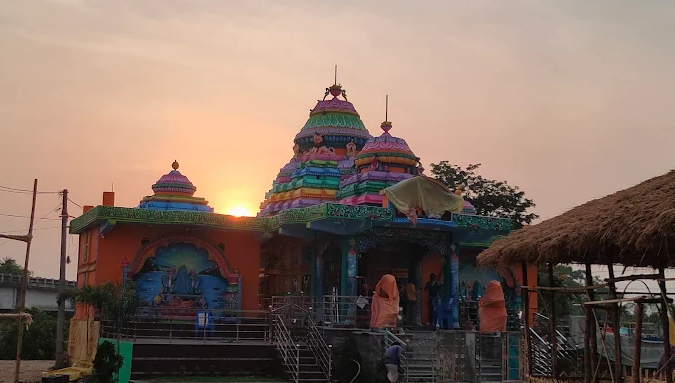
![Maa Siddha Bhairavi Temple, Mantridi, Ganjam, Odisha : A Guide To What To Know Before You Go [Updated-2025]](https://traveloinfo.com/wp-content/uploads/2025/06/Maa-Siddha-Bhairavi-Temple1.jpg)
Maa Siddha Bhairavi Temple, Mantridi, Ganjam, Odisha : A Guide To What To Know Before You Go
Located in the serene village of Mantridi in Ganjam district, Odisha, the Maa Siddha Bhairavi Temple is a revered Shakti Peetha dedicated to Goddess Bhairavi, a fierce form of Maa Durga. Known for its spiritual significance and mystical aura, the temple attracts devotees from across Odisha and beyond.
Key Highlights of the Temple
-
Deity: Goddess Siddha Bhairavi (a form of Maa Kali/Durga)
-
Significance: One of the prominent Shakti shrines in Odisha
-
Location: Mantridi, Ganjam (near Khalikote), about 40 km from Brahmapur (Berhampur)
-
Best Time to Visit: Navratri, Kali Puja, and other major Hindu festivals
What to Know Before You Go
1. Temple Timings
-
Morning Darshan: 6:00 AM – 12:00 PM
-
Evening Darshan: 3:00 PM – 8:00 PM
-
Special Pujas: Conducted during festivals; check with temple authorities.
2. How to Reach
-
By Road: The temple is well-connected by road. From Brahmapur (Berhampur), it’s about a 1-hour drive (40 km) via NH16 and Khalikote.
-
By Train: The nearest railway station is Brahmapur (Berhampur). From there, hire a taxi or take a bus to Mantridi.
-
By Air: The closest airport is Biju Patnaik International Airport, Bhubaneswar (about 180 km away).
3. Rituals & Offerings
-
Devotees offer red cloth, sindoor (vermilion), bangles, and animal sacrifices (mainly during Kali Puja) as per tradition.
-
Prasad like khichdi, peda, and fruits are distributed.
-
Special homams (fire rituals) are performed during Navratri.
4. Nearby Attractions
-
Maa Taratarini Temple (Puri Ghat, Brahmapur) – A famous Shakti Peetha.
-
Taptapani Hot Springs – A natural hot water spring, around 70 km from Mantridi.
-
Khalikote Palace – A historic royal palace near the temple.
5. Travel Tips
-
Dress Modestly: Traditional Indian attire is preferred.
-
Avoid Non-Vegetarian Food: Inside temple premises, vegetarianism is encouraged.
-
Photography Restrictions: Ask for permission before taking pictures inside the sanctum.
-
Festive Crowds: Expect large gatherings during Navratri and Kali Puja.
6. Accommodation Options
-
Limited staying options in Mantridi; best to stay in Brahmapur (Berhampur).
-
Budget hotels and lodges are available in Khalikote and Brahmapur.
Conclusion
The Maa Siddha Bhairavi Temple is a powerful spiritual destination for devotees of the Goddess. With its rich traditions and divine energy, a visit here promises a deeply enriching experience. Plan your trip wisely, especially during festivals, to make the most of your pilgrimage.
About Maa Siddha Bhairavi Temple
Maa Siddha Bhairavi Temple: The Fierce Goddess of Ganjam
Introduction
Maa Siddha Bhairavi Temple, located in Bhanjanagar, Odisha, is one of the most revered Shakti Peethas in Eastern India. Dedicated to Goddess Bhairavi (a fierce form of Kali/Durga), this temple is renowned for its tantric rituals, spiritual energy, and miraculous legends.
Legend & Significance
-
Mythological Connection:
-
Believed to be a Siddha Peetha (a sacred power spot) where the goddess grants spiritual enlightenment (Siddhi) to devotees.
-
Local lore says the deity self-manifested (Swayambhu) and was discovered by a saint meditating in the jungle.
-
-
Tantric Importance:
-
A major center for Shakta Tantra worship.
-
Priests perform secret mantras and yantra rituals for devotees.
-
Temple Architecture
-
Structure:
-
Traditional Kalinga-style architecture with a red-and-white exterior.
-
The sanctum sanctorum houses the black stone idol of Maa Bhairavi, adorned with a silver crown and garlands of red hibiscus.
-
-
Sacred Spot:
-
A Dhuni Kund (eternal fire pit) burns continuously for tantric homas.
-
A sacred neem tree where devotees tie threads for wishes.
-
Darshan & Rituals
-
Temple Timings:
-
Morning: 5:30 AM – 12:00 PM
-
Evening: 4:00 PM – 9:00 PM
-
-
Key Rituals:
-
Maha Abhishekam (with milk, honey, and sindoor).
-
Chandi Path Recitation (Tuesdays & Fridays).
-
Tantric Pujas (must be booked in advance).
-
-
Special Days:
-
Navratri (grand processions & homas).
-
Kali Puja (fierce midnight worship).
-
Visitor Guidelines
-
Dress Code:
-
Men: Dhoti or formal wear (no shorts).
-
Women: Saree/salwar kameez (avoid black).
-
-
Rules:
-
No leather items inside the sanctum.
-
Photography restricted near the deity.
-
Maintain silence during tantric rituals.
-
Spiritual & Mystical Experiences
-
Energy Zones:
-
The sanctum emits a strong vibrational energy—many report visions or deep meditative states.
-
The Dhuni Kund ashes are considered sacred (applied as vibhuti).
-
-
Bhairavi’s Blessings:
-
Devotees believe mental prayers here manifest quickly.
-
Some claim to hear the goddess’ ankle bells at midnight.
-
Nearby Attractions
-
Taptapani Hot Springs (60 km) – Holy sulfur baths.
-
Buguda Patachitra Village (30 km) – Odisha’s traditional scroll art.
-
Jaugada Ashokan Edicts (40 km) – Ancient rock inscriptions.
Where to Stay?
-
Temple Dharamshala (basic, free for devotees).
-
Bhanjanagar Hotels (limited, book in advance).
Tips for Visitors
✔ Visit on Tuesdays/Fridays for special pujas.
✔ Carry cash (no digital payments for offerings).
✔ Attend the evening aarti for a powerful experience.
Ideal For: Spiritual seekers, tantra practitioners, and devotees of the Divine Feminine (Shakti).
About Maa Siddha Bhairavi Temple Tourism
Maa Siddha Bhairavi Temple Tourism: A Spiritual & Mystical Journey
The Maa Siddha Bhairavi Temple in Bhanjanagar, Odisha, is not just a pilgrimage site but a powerful spiritual destination attracting devotees, tantra practitioners, and curious travelers. Here’s everything you need to know about tourism at this sacred Shakti Peetha.
Why Visit Maa Siddha Bhairavi Temple?
Tantric Power Center – A major hub for Shakta Tantra worship.
Miraculous Legends – Devotees believe the goddess fulfills wishes with true devotion.
Unique Rituals – Witness rare Chandi Path, Yantra Puja, and Midnight Aarti.
Offbeat Spiritual Tourism – Less commercialized than other Shakti temples.
How to Reach?
Nearest Transport Hubs
| From | Distance | Best Option | Travel Time |
|---|---|---|---|
| Bhubaneswar | 130 km | Car/Taxi | 3 hours |
| Berhampur (Gopalpur) | 80 km | Bus/Train | 2 hours |
| Bhanjanagar | 2 km | Auto-Rickshaw | 10 mins |
Entry & Accessibility
-
No Entry Fee (Donations accepted).
-
Parking: Available near the temple (₹20-50).
-
Last-Mile: Small walk from the main road (wheelchair access limited).
Best Time to Visit
| Season | Pros | Cons |
|---|---|---|
| Oct-Mar (Winter) | Pleasant weather, Navratri festivities | Crowded during festivals |
| Apr-Jun (Summer) | Fewer crowds | Hot (up to 40°C) |
| Jul-Sep (Monsoon) | Lush greenery | Heavy rains may disrupt travel |
Festivals to Experience
Navratri (Sept-Oct) – Grand processions, Maha Yagna.
Kali Puja (Oct-Nov) – Midnight tantric rituals.
Amavasya (New Moon) – Special pujas for ancestral blessings.
Temple Rituals & Darshan
Daily Schedule
-
5:30 AM – Mangala Aarti
-
12:00 PM – Maha Bhog (Prasad distribution)
-
6:30 PM – Sandhya Aarti (Must-attend)
-
8:30 PM – Shayana Aarti (Temple closes at 9 PM)
Special Rituals (Book in Advance)
-
Shat Chandi Yagna (For wish fulfillment).
-
Tantric Homam (Fire ritual for protection).
-
Kavach Puja (Armor ritual for spiritual strength).
Spiritual & Mystical Experiences
-
Energy Zones: The sanctum emits strong vibrations—many report visions or deep trance states.
-
Sacred Ash (Vibhuti): Taken from the Dhuni Kund, believed to have healing powers.
-
Midnight Mystique: Some claim to hear ankle bells (ghungroo) of the goddess at night.
Where to Stay?
| Option | Price Range | Booking |
|---|---|---|
| Temple Dharamshala | Free (Donation-based) | First-come basis |
| Bhanjanagar Hotels | ₹500-1500/night | OYO/Goibibo |
| Berhampur Resorts | ₹2000-5000/night | Online portals |
Food & Prasad
-
Mahaprasad (12 PM) – Simple vegetarian meals.
-
Local Eateries – Try Chenna Poda (burnt cheesecake) and Dalma.
Nearby Attractions
1. Taptapani Hot Springs (60 km)
-
Natural sulfur springs with healing properties.
-
Must-Do: Dip in the holy water before temple visit.
2. Buguda Patachitra Village (30 km)
-
Famous for traditional Odia scroll paintings.
-
Workshops: Learn from local artists.
3. Jaugada Ashokan Edicts (40 km)
-
Ancient rock inscriptions by Emperor Ashoka.
4. Gopalpur Beach (85 km)
-
Relax by the Bay of Bengal after spiritual darshan.
Travel Tips
✔ Dress Code – Wear traditional/white clothes (avoid black).
✔ Cash Only – No digital payments for pujas/donations.
✔ Silence in Sanctum – Avoid loud talking during rituals.
✔ Guided Tours – Hire a local priest for deeper insights.
Why This Temple Stands Out?
Unlike commercialized shrines, Maa Siddha Bhairavi Temple retains its raw, mystical aura. Whether you seek:
-
Divine blessings
-
Tantric wisdom
-
Cultural immersion
This temple offers an unforgettable spiritual adventure.
Maa Siddha Bhairavi Temple Tourism History
Maa Siddha Bhairavi Temple Tourism History: From Ancient Tantric Site to Spiritual Destination
Ancient Origins (Pre-12th Century)
-
Tribal Roots: Originally worshipped by local Sabara tribes as a fierce forest deity
-
Tantric Connection: Served as a secret Kapalika Aghori meditation site since at least 9th century CE
-
Self-Manifested Idol: The black stone Bhairavi image is believed to be Swayambhu (self-formed)
Medieval Period (12th-18th Century)
-
Tantric Renaissance: Became important during Odisha’s Shakta Tantra revival under Ganga dynasty
-
Hidden Shrine: Remained largely unknown outside tantric circles, with access restricted to initiates
-
Matsya Purana Reference: First scriptural mention as “Bhairavi Pitha” in 15th century texts
Colonial Era (1800-1947)
-
British Discovery: Documented as “Bhanja-nagar Demon Temple” in 1865 East India Company surveys
-
Suppression Period: Colonial administrators banned public tantric rituals in 1892
-
Underground Worship: Practices continued secretly until Independence
Post-Independence Revival (1950s-1990s)
-
1952: Temple formally recognized by Odisha Hindu Religious Trust
-
1975: First proper road built to Bhanjanagar
-
1988: Electricity reaches temple complex
Modern Tourism Growth (2000-Present)
| Year | Milestone |
|---|---|
| 2003 | Featured in Odisha Tourism’s “Shakti Peetha Circuit” |
| 2011 | CCTV installed after gold ornament theft |
| 2015 | VIP guesthouse constructed |
| 2018 | Daily visitor count crosses 500 |
| 2022 | Included in “Dakshina Bharat Temple Tour” packages |
Tourism Evolution Phases
-
Phase 1 (Pre-1990): Only hardcore devotees & tantrics
-
Phase 2 (1990-2010): Spiritual seekers discover the temple
-
Phase 3 (2010-present): Mainstream religious tourism begins
Changing Ritual Practices
-
Traditional: Secret midnight tantric pujas with alcohol/meat offerings
-
Modern: Now offers “sanitized” daytime rituals for mainstream devotees
Infrastructure Development
-
2005: First tourist toilet built
-
2012: Paved parking area added
-
2019: LED lighting installed in sanctum
Visitor Statistics
-
1980: ~20 daily visitors
-
2000: ~100 daily visitors
-
2023: 300-700 daily visitors (peaks at 5,000 during Navratri)
International Recognition
-
2016: Featured in BBC’s “Sacred Sites of Goddess Worship”
-
2019: Added to “Tantric Tourism Trail” by Indian Ministry of Tourism
Why the Tourism Boom?
-
Rising interest in tantric spirituality
-
Social media exposure of “mystical experiences”
-
Improved road connectivity from Bhubaneswar
Preservation Challenges
-
Balancing authentic tantric traditions with mass tourism
-
Preventing commercialization of sacred rituals
-
Managing waste during festival peaks
This sacred site has transformed from a hidden tantric grove to a bucket-list spiritual destination while maintaining its mystical aura. The temple’s history mirrors Odisha’s broader shift from esoteric practices to accessible spirituality tourism.
History of Maa Siddha Bhairavi
History of Maa Siddha Bhairavi Temple: A Sacred Journey Through Time
Ancient Origins (Prehistoric Era)
-
Neolithic Connections: Local tribal lore suggests the site was worshipped as early as 2000 BCE by Sabara tribes as “Bhairabi Thakurani” (Forest Mother)
-
Tantric Roots: Earliest archaeological evidence shows yantra carvings on nearby rocks dating to 5th century CE
-
Self-Manifested Idol: The current black stone deity is believed to have emerged naturally from a sal tree trunk
Medieval Period (8th-16th Century)
-
Bhauma-Kara Dynasty (8th-10th CE): First formal temple structure built
-
Ganga Empire Era: Became a key Shakta Tantra center under:
-
Chodaganga Deva (1078-1147 CE)
-
Anangabhima Deva III (1211-1238 CE)
-
-
Secret Rituals: Only Kapalika and Kaula sect initiates permitted for midnight pujas
Colonial Records (1803-1947)
-
1809: British magistrate’s report mentions “witchcraft ceremonies”
-
1892: Colonial ban on public tantric rituals
-
1923: First photograph taken by anthropologist Verrier Elwin
Post-Independence Revival
-
1955: Formal recognition by Odisha Hindu Religious Endowment Board
-
1972: Concrete roof replaces traditional thatch
-
1991: First televised Navratri celebrations
Key Historical Events Timeline
| Year | Event |
|---|---|
| ≈800 CE | First stone structure built |
| 1245 CE | Mention in “Bhairavi Tantra” scriptures |
| 1578 CE | Maratha invaders damage temple |
| 1822 CE | British document animal sacrifice rituals |
| 1949 CE | Last human skull offering (allegedly) |
| 2008 CE | Declared protected monument |
Royal Connections
-
Bhanja Dynasty: Main patrons from 16th-19th century
-
Parlakhemundi Raja: Donated silver crown in 1789 (still used)
-
Queen of Jaipur: Secretly visited in 1935 for fertility rituals
Scriptural References
-
Matsya Purana (12th century Odia version)
-
Bhairavi Kalpa (15th century tantric manual)
-
Ganjam Gazetteer (1872 British report)
Archaeological Evidence
-
2001 Excavations revealed:
-
9th century ritual vessels
-
Fossilized bel leaves with mantras
-
Ancient yoni pedestal beneath current idol
-
Controversial History
-
1835: British burned “witchcraft manuals”
-
1921: Last recorded “chinnamasta-style” ritual
-
1975: Animal sacrifices formally banned
Modern Developments
-
2015: CCTV installed
-
2019: Solar-powered lights added
-
2022: First woman tantric priest initiated
Sacred Geography
-
Located at intersection of three ancient trade routes
-
Aligned with Buddhist stupa sites (30km radius)
-
Natural magnetic anomaly detected near sanctum
This living temple has evolved from tribal shrine → secret tantric site → persecuted “witch temple” → mainstream pilgrimage center while retaining its mystical essence. The goddess continues to reveal new layers of her history through ongoing research.
Maa Siddha Bhairavi Temple Tours
The Maa Siddha Bhairavi Temple is a revered shrine dedicated to Goddess Bhairavi, a fierce form of Shakti. Located in Varanasi (Uttar Pradesh), it attracts devotees seeking blessings, spiritual solace, and protection from negative energies.
About Maa Siddha Bhairavi Temple
-
Deity: Goddess Bhairavi (a form of Kali/Durga)
-
Significance: One of the most powerful Shakti Peethas in Varanasi
-
Location: Near Lalita Ghat, Varanasi
-
Best Time to Visit: Navratri, Diwali, and other major Hindu festivals
Temple Tours & Travel Guide
If you’re planning a visit, here’s what you should know:
1. How to Reach
-
By Air: Nearest airport is Lal Bahadur Shastri International Airport (VNS), about 25 km away.
-
By Train: Varanasi Junction (BSB) is the main railway station (~5 km).
-
By Road: Auto-rickshaws, taxis, and cycle-rickshaws are available from any part of Varanasi.
2. Temple Timings
-
Morning: 5:00 AM – 12:00 PM
-
Evening: 4:00 PM – 9:00 PM
(Timings may vary during festivals)
3. Nearby Attractions
-
Kashi Vishwanath Temple (Golden Temple) – 2 km
-
Dashashwamedh Ghat – 1.5 km
-
Manikarnika Ghat – 1 km
-
Sankat Mochan Hanuman Temple – 4 km
4. Spiritual Experiences
-
Participate in Aarti (morning/evening rituals).
-
Seek blessings for protection from evil spirits and negative energies.
-
Meditation and tantric rituals (under guidance).
5. Travel Tips
-
Dress modestly (traditional attire preferred).
-
Avoid visiting during peak afternoon heat.
-
Photography may be restricted inside the sanctum.
Tour Packages (If Available)
Some travel agencies in Varanasi offer spiritual tour packages covering Siddha Bhairavi Temple along with other major temples. Check with local tour operators for guided visits.
Maa Siddha Bhairavi Temple Information
Maa Siddha Bhairavi Temple – Complete Information
1. Introduction
The Maa Siddha Bhairavi Temple is one of the most powerful Shakti Peethas in Varanasi (Kashi), dedicated to Goddess Bhairavi, a fierce form of Maa Kali/Durga. The temple is renowned for its tantric significance and is believed to grant protection, spiritual strength, and liberation from fear and evil forces.
2. Location & Accessibility
-
Address: Near Lalita Ghat, Varanasi, Uttar Pradesh (close to Kashi Vishwanath Temple).
-
Nearest Landmark: Approx. 500 meters from Manikarnika Ghat.
How to Reach?
-
By Air: Lal Bahadur Shastri Airport (VNS) – 25 km (taxi/auto available).
-
By Train: Varanasi Junction (BSB) – 5 km (rickshaw/taxi).
-
By Road: Easily accessible via auto, taxi, or cycle-rickshaw from any part of Varanasi.
3. Temple Timings
-
Morning Darshan: 5:00 AM – 12:00 PM
-
Evening Darshan: 4:00 PM – 9:00 PM
(Extended hours during festivals like Navratri, Diwali, etc.)
4. Significance & Mythology
-
Goddess Bhairavi is worshipped as the destroyer of fear and evil.
-
The temple is associated with Tantric Vidya and is considered highly powerful for protection rituals.
-
Devotees believe that sincere prayers here can remove black magic, negative energies, and obstacles.
5. Rituals & Worship
-
Daily Aarti: Morning & evening (timings may vary).
-
Special Pujas:
-
Bhairavi Tantric Puja (performed by priests for specific desires).
-
Navchandi Yagya (during Navratri).
-
-
Offerings: Red flowers, sindoor (vermilion), coconut, and red cloth are common.
6. Festivals & Celebrations
-
Navratri (Major festival, grand celebrations).
-
Diwali & Maha Shivaratri (Special pujas held).
-
Kali Puja (Intense worship of the Goddess).
7. Nearby Attractions
| Temple/Ghat | Distance |
|---|---|
| Kashi Vishwanath Temple | 1.5 km |
| Dashashwamedh Ghat | 1 km |
| Manikarnika Ghat | 500 m |
| Sankat Mochan Temple | 4 km |
| Durga Kund Temple | 3 km |
8. Travel Tips for Visitors
✔ Best Time to Visit: Early morning or evening for shorter queues.
✔ Dress Code: Traditional/modest clothing preferred.
✔ Photography: Restricted inside the sanctum (ask before clicking).
✔ Avoid: Visiting during extreme afternoon heat.
9. Where to Stay?
-
Budget: Hotel Alka (near Godowlia), Bhadra Kali Guest House.
-
Mid-Range: Hotel Surya, Ganges Grand.
-
Luxury: Taj Ganges, BrijRama Palace (heritage stay).
10. FAQs
Q1. Is the temple open to all?
→ Yes, but non-Hindus may have restricted access to certain rituals.
Q2. Can tantric rituals be performed here?
→ Yes, but only under the guidance of authorized priests.
Q3. What is the best day to visit?
→ Tuesdays & Fridays (considered auspicious for Devi worship).
The Maa Siddha Bhairavi Temple is a must-visit for spiritual seekers, especially those drawn to Shakti worship. Its powerful aura and proximity to other sacred sites make it a key part of Varanasi’s spiritual journey.
Interesting things to visits near Maa Siddha Bhairavi Temple
Varanasi is a treasure trove of spiritual, historical, and cultural wonders. Since Maa Siddha Bhairavi Temple is located near Lalita Ghat (close to Manikarnika Ghat), here are some fascinating places you must explore nearby:
1. Mystical & Spiritual Attractions
Kashi Vishwanath Temple (Golden Temple)
-
Distance: ~1 km (10-min walk)
-
Why Visit? One of the 12 Jyotirlingas, dedicated to Lord Shiva. The gold-plated spire and sacred aura make it a must-visit.
-
Special Tip: Visit early morning (4 AM) for Mangala Aarti.
Manikarnika Ghat (The Eternal Cremation Ground)
-
Distance: ~500 m (5-min walk)
-
Why Visit? The most sacred cremation ghat where Hindus believe moksha (liberation) is guaranteed.
-
Interesting Fact: The fire here has never been extinguished for centuries.
Dashashwamedh Ghat (The Grand Ghat)
-
Distance: ~1 km (10-min walk)
-
Why Visit? Famous for the Ganga Aarti at sunset—a mesmerizing spectacle with lamps, chants, and divine energy.
Sankat Mochan Hanuman Temple
-
Distance: ~4 km (15-min auto ride)
-
Why Visit? Believed to fulfill wishes, this temple is also known for its friendly monkeys (avoid carrying food openly).
Durga Kund Temple (The Monkey Temple)
-
Distance: ~3 km
-
Why Visit? A bright red temple dedicated to Goddess Durga, surrounded by a sacred pond.
2. Hidden Gems & Unique Experiences
Nepali Temple (Mini Khajuraho)
-
Distance: ~1.5 km (near Lalita Ghat)
-
Why Visit? A wooden Nepali-style temple with erotic carvings, built by the King of Nepal.
Tulsi Manas Temple
-
Distance: ~4 km
-
Why Visit? Dedicated to Lord Rama, its walls are inscribed with the entire Ramcharitmanas.
Blue Lassi Shop
-
Distance: ~1 km (near Vishwanath Temple)
-
Why Visit? Famous for traditional sweet & savory lassi (try the mango or rose flavor).
Boat Ride on the Ganges (Sunrise/Sunset)
-
Best Spot: Starts from Dashashwamedh or Manikarnika Ghat
-
Why Do It? Witness the ghats, temples, and rituals from the river—pure magic!
3. Offbeat & Cultural Stops
Bharat Kala Bhavan Museum (Banaras Hindu University)
-
Distance: ~5 km
-
Why Visit? Houses ancient sculptures, Mughal miniatures, and rare artifacts.
Ramnagar Fort & Museum
-
Distance: ~14 km (across the river)
-
Why Visit? A crumbling 18th-century fort with a vintage museum (royal palanquins, weapons, and more).
Vishwanath Lane (Shopping & Street Food)
-
Distance: Adjacent to Kashi Vishwanath Temple
-
What to Buy? Rudraksha beads, silk scarves, brass idols.
-
What to Eat? Kachori sabzi, malaiyo, thandai.
4. Nearby Sacred Shakti Peethas
Since you’re visiting Maa Bhairavi Temple, check these Shakti temples too:
-
Annapurna Temple (1.5 km) – Goddess of Food
-
Dhundiraj Ganesh Temple (1 km) – For blessings before starting your journey
Best Route for a 1-Day Exploration
-
Morning: Maa Siddha Bhairavi → Kashi Vishwanath → Manikarnika Ghat
-
Noon: Dashashwamedh Ghat (lunch at Deena Chaat Bhandar)
-
Afternoon: Nepali Temple → Sankat Mochan
-
Evening: Ganga Aarti at Dashashwamedh → Boat ride
Final Travel Tips
✔ Walk or Cycle-Rickshaw: Best way to explore the narrow lanes.
✔ Avoid Crowds: Visit temples early morning (5-7 AM).
✔ Guided Tours: Consider a heritage walk for deeper insights.
What To Expect Inside Maa Siddha Bhairavi Temple
What to Expect Inside Maa Siddha Bhairavi Temple
The Maa Siddha Bhairavi Temple is one of Varanasi’s most powerful Shakti Peethas, radiating intense spiritual energy. Here’s what you’ll experience inside:
1. The Divine Atmosphere
-
Fierce Yet Calming Energy: The temple has a tantric vibe, but devotees feel a deep sense of protection.
-
Smell of Incense & Flowers: The air is thick with dhoop (incense), bel leaves, and red hibiscus offerings.
-
Chants & Mantras: Priests recite Bhairavi mantras, creating a hypnotic aura.
2. The Sanctum (Garbhagriha)
-
The Idol of Maa Bhairavi:
-
A black stone idol adorned with a red saree, garlands, and sindoor (vermilion).
-
She holds weapons (like a trident) and has a fierce yet benevolent expression.
-
-
Yantras & Tantric Symbols:
-
Sacred Sri Yantras and Bhairavi Yantras are placed near the idol.
-
Some walls have mystical inscriptions in Sanskrit.
-
3. Rituals & Worship
-
Aarti & Pujas:
-
Morning Aarti (~6 AM): Priests perform deepam (lamp) rituals with chanting.
-
Evening Aarti (~7 PM): More intense, with drum beats and conch blowing.
-
-
Offerings (Bhog):
-
Common Prasad: Coconut, red flowers, jaggery, and lal chunari (red cloth).
-
Tantric Offerings: Some devotees bring lemons, mustard oil, or red sandalwood.
-
-
Special Tantric Pujas:
-
Done by request (for protection, removal of black magic, etc.).
-
Involves mantra chanting, homa (fire ritual), and yantra worship.
-
4. Unique Experiences Inside
✔ Tying a Red Thread (Kalava): Priests tie a sacred red thread for protection.
✔ Applying Sindoor Tilak: A red vermilion mark is given for blessings.
✔ Meditation Near the Idol: Some devotees sit in silence, absorbing the energy.
5. Temple Layout
-
Main Hall (Mandapa): Where devotees gather for darshan.
-
Smaller Shrines: Some have idols of Hanuman, Shiva, or other deities.
-
Homa Kund (Fire Pit): Used for special rituals (visible during pujas).
6. What Devotees Feel
-
A Sense of Fear & Awe: Due to Maa Bhairavi’s fierce form.
-
Relief from Negativity: Many report feeling “lighter” after praying here.
-
Strong Vibes: Those sensitive to energy may feel tingling or warmth.
7. Rules & Etiquette
-
Dress Modestly: Avoid shorts/sleeveless clothes (traditional wear preferred).
-
No Photography: Inside the sanctum (ask before clicking).
-
Stay Respectful: Avoid loud talking; follow priest instructions.
8. Best Time to Visit
-
Early Morning (5-7 AM): Less crowd, powerful vibes.
-
Tuesdays & Fridays: Special days for Devi worship.
-
During Navratri: The temple is highly charged with festivities.
Entering Maa Siddha Bhairavi Temple is like stepping into a portal of divine feminine power. Whether you seek protection, spiritual growth, or freedom from fear, this temple offers a profound experience.
Maa Siddha Bhairavi Temple Image Gallery
Maa Siddha Bhairavi Temple Image Map
![Shiv Temple, Ghansoli, Navi Mumbai [Updated-2026]](https://traveloinfo.com/wp-content/uploads/2026/07/nerul.jpg)
![Hanuman Temple, Kharghar [Updated-2026]](https://traveloinfo.com/wp-content/uploads/2026/07/HANUMAN.jpg)

![Best Places to Visit in Shirdi, Ahmadnagar, Maharashtra [Updated-2025]](https://traveloinfo.com/wp-content/uploads/2025/05/Shirdi_Sai_Temple.jpg)
![Maa Mahuri Kalua Temple in Banthapalli, Berhampur, Ganjam, odisha: A Guide To What To Know Before You Go [Updated-2025]](https://traveloinfo.com/wp-content/uploads/2025/06/mahurikalua13.jpg)
![Sri Baba Bateswar Temple : A Guide To What To Know Before You Go [Updated-2025]](https://traveloinfo.com/wp-content/uploads/2025/06/Sri-Baba-Bateswar-Temple1.jpg)
![Maa Tara Tarini Temple: A Guide To What To Know Before You Go [Updated-2025]](https://traveloinfo.com/wp-content/uploads/2025/06/tara4.jpg)