
![Bhilwara, Rajasthan City Guide: Where To Go, Stay, Eat, And shop in India’s best city. [Updated-2025]](https://traveloinfo.com/wp-content/uploads/2025/02/Bhilwara-Rajasthan-872x547.jpg)
Bhilwara, Rajasthan City Guide: Where To Go, Stay, Eat, And shop in India’s best city.
Bhilwara is a city in the southern part of the Indian state of Rajasthan. It is the administrative headquarters of the Bhilwara District and is known as the “Textile City of India” due to its thriving textile industry. Bhilwara is also famous for its rich cultural heritage, historical landmarks, and natural beauty. Here’s an overview of Bhilwara:
Location and Connectivity
- Geographical Position: Bhilwara is located in the Mewar region of Rajasthan, about 250 kilometers southwest of Jaipur, the state capital. It lies on the banks of the Kothari River.
- Transport Links:
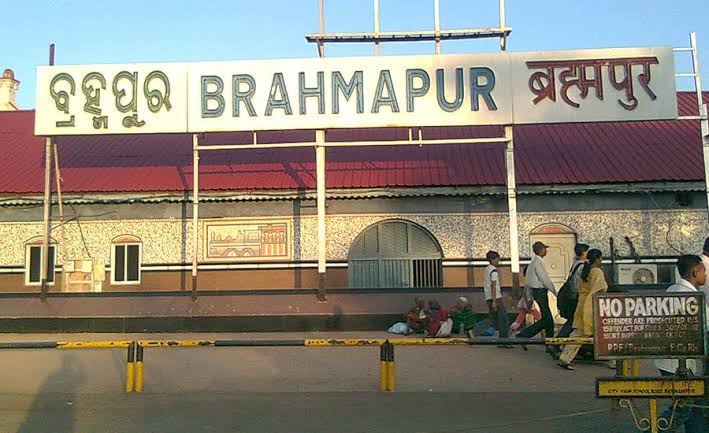
- Railway: Bhilwara Railway Station is a major railhead, connecting the city to other parts of Rajasthan and India.
- Road: The city is well-connected by national highways (NH-758 and NH-148D) and state highways, linking it to cities like Jaipur, Udaipur, and Ajmer.
- Airport: The nearest airport is Maharana Pratap Airport in Udaipur, about 170 kilometers away. The nearest international airport is Jaipur International Airport.
Economy
Bhilwara is a major economic center in Rajasthan, with a diverse economy driven by textiles, mining, and agriculture.
Textile Industry:
- Bhilwara is known as the “Textile City of India” due to its large number of textile mills and spinning units. The city is a major producer of synthetic fabrics, yarn, and denim.
- The textile industry is the backbone of Bhilwara’s economy, providing employment to thousands of people.
Mining:
- The region is rich in mineral resources, including mica, marble, and granite. Bhilwara is one of the largest producers of mica in India.
Agriculture:
- The fertile plains of the Kothari River support the cultivation of crops like wheat, barley, and pulses. The region is also known for its mustard and cotton production.
Culture and Heritage
Bhilwara has a rich cultural heritage, with a history dating back to ancient times.
Historical Significance:
- Bhilwara was part of the Mewar Kingdom and has several historical landmarks, including forts and temples.
- The city is believed to have been named after a Bhil tribal chief who ruled the region.
Festivals:
- Holi: The festival of colors is celebrated with great enthusiasm, featuring traditional songs and dances.
- Diwali: The festival of lights is celebrated with traditional fervor, with special rituals and fireworks.
- Gangaur: A festival dedicated to Goddess Gauri, celebrated with processions and cultural programs.
Cuisine:
- Bhilwara offers a blend of Rajasthani and North Indian cuisines. Popular dishes include dal-bati-churma, gatte ki sabzi, and kadhi. The city is also known for its sweets, particularly ghevar and malpua.
Tourist Attractions
Bhilwara and its surrounding areas offer several cultural, historical, and natural attractions:
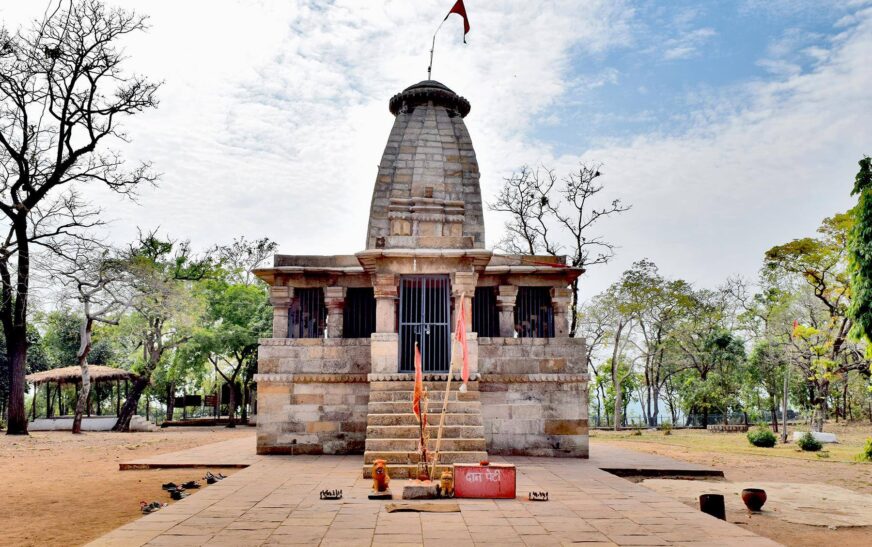
- Harni Mahadev Temple: A famous temple dedicated to Lord Shiva, located on a hillock with panoramic views of the city.
- Badnore Fort: A historic fort located about 70 kilometers from Bhilwara, known for its stunning architecture and scenic beauty.
- Mandalgarh Fort: A historic fort located about 50 kilometers from Bhilwara, built during the Mewar period.
- Kyara Ke Balaji: A temple dedicated to Lord Hanuman, located about 20 kilometers from Bhilwara.
- Pur Udan Chatri: A historic cenotaph located in the heart of Bhilwara, known for its intricate carvings and architecture.
Education and Healthcare
- Educational Institutions: Bhilwara has several schools, colleges, and professional institutions, including Bhilwara Institute of Technology and RNT Medical College.
- Healthcare: The city has well-equipped hospitals and healthcare centers, providing quality medical services to residents.
Challenges
- Urbanization: Rapid urbanization has led to challenges like traffic congestion, waste management, and pollution.
- Industrial Pollution: The textile and mining industries contribute to water and air pollution, necessitating better environmental management.
- Infrastructure Development: There is a need for improved urban planning, better public transportation, and enhanced healthcare and educational facilities to support the growing population.
Bhilwara is a city of immense historical, cultural, and economic significance. Its textile industry, mineral resources, and agricultural production make it a key city in Rajasthan. With its strategic location, strong economic base, and cultural diversity, Bhilwara continues to play a vital role in the development of the region. Efforts to address environmental and infrastructural challenges will ensure sustainable growth for the city in the future.
![Shiv Temple, Ghansoli, Navi Mumbai [Updated-2026]](https://traveloinfo.com/wp-content/uploads/2026/07/nerul.jpg)
![Hanuman Temple, Kharghar [Updated-2026]](https://traveloinfo.com/wp-content/uploads/2026/07/HANUMAN.jpg)
![Bangalore, Karnataka City Guide: Where To Go, Stay, Eat, And shop in India’s best city. [Updated-2025]](https://traveloinfo.com/wp-content/uploads/2025/02/bangaloref.jpg)
![Hyderabad, Telangana City Guide: Where To Go, Stay, Eat, And shop in India’s best city. [Updated-2025]](https://traveloinfo.com/wp-content/uploads/2025/02/hydrabad1.jpg)
![Ahmedabad, Gujarat City Guide: Where To Go, Stay, Eat, And shop in India’s best city. [Updated-2025]](https://traveloinfo.com/wp-content/uploads/2025/02/ahemadabad1.jpg)